Jan 13, 2026 — WOODTV.COM (Grand Rapids/Kalamazoo/Holland, Michigan)
SAN DIEGO (Border Report) — Despite threats by President Trump to keep any oil from flowing to Cuba, Energy Secretary Chris Wright said the U.S. will not interfere with Mexico as it continues to supply the island with petroleum.
During an interview with CBS News, Wright said the U.S. will allow Mexico to deliver oil to Cuba, contradicting Trump’s goal to leave Cuba “with zero oil.”
On Jan. 3, U.S. forces took custody of Venezuelan President Nicolás Maduro, seemingly leaving Cuba without its primary source of oil.
Since then, President of Mexico Claudia Sheinbaum has said her country will continue to send oil to Cuba for humanitarian reasons to avoid widespread power blackouts on the island.
She has also said Mexico is prepared to be a liaison to provide better lines of communication between the Cuban and U.S. governments.
Cuban President Miguel Díaz-Canel has said his government is not currently in talks with Washington, remaining defiant as the Trump administration attempts to pressure Cuba into making a deal with the U.S. after the military strike on Venezuela. In a series of posts on X, Díaz-Canel said, “As history demonstrates, relations between the U.S. and Cuba, in order to advance, must be based on International Law rather than on hostility, threats, and economic coercion.” His comments came after Trump announced on Sunday that Cuba would no longer be receiving Venezuelan oil, which has been a lifeline for the island that has been devastated by decades of U.S. economic sanctions.
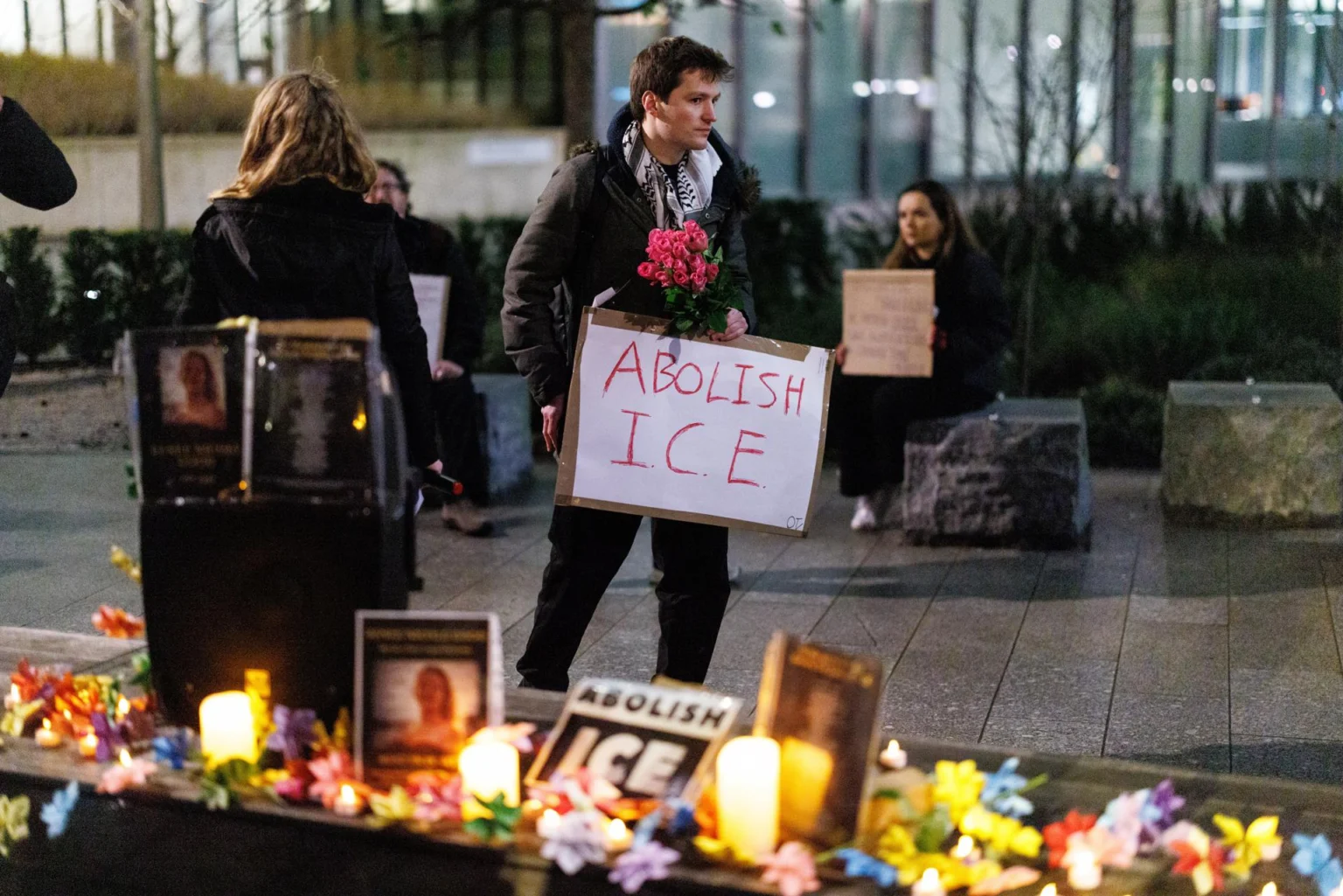
Nearly half the population, 49 percent, reports having “very little” confidence in ICE. Photo: EFE
The rejection increased after the murder of 37-year-old Renee Nicole Good at the hands of an Immigration and Customs Enforcement (ICE) agent.
January 14, 2026 — teleSUR
A national poll by The Economist and YouGov , conducted between January 9 and 12, reveals a historic shift in American public opinion: for the first time, more citizens support abolishing Immigration and Customs Enforcement (ICE) than maintaining it .
Forty-six percent support its elimination, surpassing the 43 percent who oppose it . This public outcry was already underway due to the crackdown on the immigrant population and intensified after the murder of Renee Nicole Good , a 37-year-old woman, who was shot by ICE agent Jonathan Ross in Minneapolis on January 7, 2016.
47 percent of those surveyed believe that ICE makes the country “less safe”, compared to 34 percent who believe the opposite.
The shooting that took Good’s life is widely questioned: 50 percent say it was not justified, compared to just 30 percent who support it , as the official version that tried to criminalize the victim was refuted by local authorities.
Distrust of the institution runs deep. Nearly half the population, 49 percent, declares having “very little” confidence in ICE , while 73 percent demand that its agents wear visible uniforms and 56 percent reject the use of masks during arrests, demanding transparency.
📹🇺🇸 | Ciudadanos estadounidenses se manifiestan en contra de los asesinatos perpetrados por el #ICE. El rechazo al Gobierno de Donald Trump alcanza ya un 57%.
ICE announced a 120 percent expansion of its police force, reaching 22,000 agents , under the law signed by former President Donald Trump, reflecting the increase in militarization, amplifying fear and impunity in communities.
Protests against Immigration and Customs Enforcement (ICE) are spreading across the United States, where people in dozens of American cities have taken to the streets to protest against Trump’s mass deportation campaign and the violence of the Immigration and Customs Enforcement (ICE) agency.
On January 13, a coalition of religious leaders, union presidents, business owners, and community figures in Minneapolis called on “every Minnesota worker to refuse to show up for work” and “every Minnesoan not to spend a penny” on Friday, January 23, to demand an end to the “violence and horror” that ICE has unleashed on the community and the complete removal of the agency from the state.
For her part, JaNaé Bates, the co-executive director of Isaiah MN , an interfaith and multiracial community organizing network, said that “we are going to leverage our economic power, our work, our prayers for one another . ”
Organizations reject the stances of authorities such as U.S. Border Patrol Commander Gregory Bovino , who recently called Minnesotans who oppose ICE “weak-minded ,” echoing Nazi-era language.
For her part, during a press conference on January 12, U.S. Secretary of Homeland Security Kristi Noem stated that “one of us is all of them,” linking it to the Nazi doctrine of collective punishment.
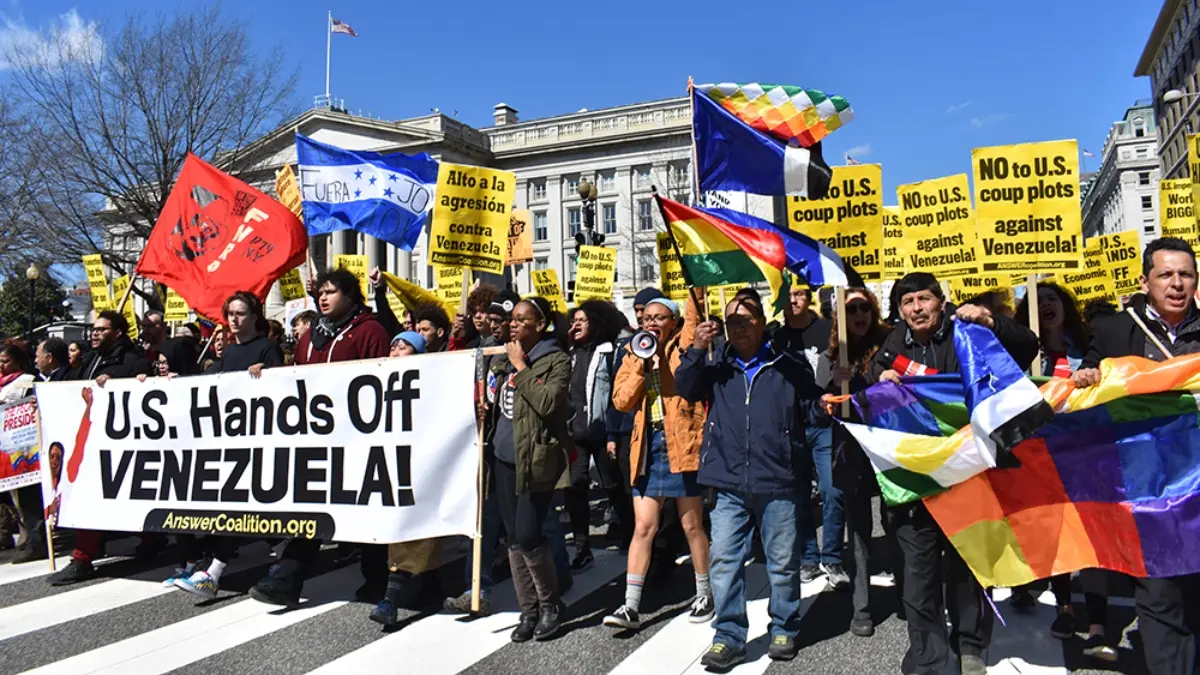
Nearly nine out of 10 Democrats and six out of 10 independents say military overreach is concerning under the current administration. Only one in 10 Republicans favors that policy. Photo: Answer Coalition.
56% of adults in the United States believe that Trump “has gone too far” by using military power to intervene in sovereign nations such as Venezuela.
January 14, 2026 — teleSUR
Sixty- one percent of Americans disapprove of the foreign policy and military interventions ordered by President Donald Trump , especially after the recent military aggression in Venezuela, according to the latest data from the AP-NORC Center for Public Affairs Research .
Fifty-six percent of adults in the United States believe that Trump “ has gone too far ” in using military power to intervene in sovereign nations, a stance that is complemented by 57% of those surveyed disapproving of the handling of the situation surrounding the South American country , where the White House has attempted to exert direct control over energy resources.
This disconnect between the Executive and the citizenry demonstrates an isolation of presidential decisions from popular sentiment and underscores a widespread unease with the country’s diplomatic direction.
#ENVIDEO📹 | Ciudadanos se concentraron frente a prisión de Brooklyn, en Nueva York, #EEUU 🇺🇸, para exigir la liberación del presidente de #Venezuela 🇻🇪, Nicolás Maduro y su esposa Cilia Flores. La protesta sirvió como un contundente rechazo a la injerencia estadounidense en los… pic.twitter.com/Go5TFhhxmv
Additionally, the rejection has a strong ideological component in key sectors. Nearly nine out of ten Democrats and six out of ten independents agree that military overreach is a worrying reality under the current administration. These numbers suggest that the perception of excessive use of force is not just a partisan stance, but a widespread concern among those who do not align with the current government’s policies.
The findings of the survey, conducted between January 8 and 11, 2026, reveal that the American public perceives Trump’s actions as a dangerous excess that compromises international stability.
Despite attempts by the official narrative to justify the military presence abroad under security pretexts, the American people advocate for a less hostile diplomacy.
Nearly half of those surveyed demand that the United States take a “less active” role in global conflicts, rejecting the imperialist stance that seeks control of assets in other countries or intervention in the internal affairs of third parties.
Even within Republican ranks, enthusiasm for new military aggression is nonexistent: only one in 10 Republicans wants the president to deepen his policy of military intervention, which underlines an internal political risk in the face of the continued bellicose approach.
The survey, which consulted 1,203 adults , confirms that the use of force and rhetoric of control over nations like Venezuela do not enjoy the democratic support that the Trump Administration intends to project.
On January 3, US military forces attacked Venezuelan territory , with bombings in the capital, Caracas, and in various areas of the states of Miranda, Aragua and La Guaira.
‼️ NOW IN TIMES SQUARE! The US has no right to control the natural resources of any other country. The people demand: NO WAR ON VENEZUELA! pic.twitter.com/yHr7H4oH6U
According to the report provided by the Minister of Interior Relations, Justice and Peace, Diosdado Cabello, this action left a toll of at least 100 dead, including civilians and military personnel, and a similar number of wounded.
As part of this operation, which the Bolivarian Government and various leaders around the world have denounced as a criminal aggression, US commandos from the Delta Force kidnapped the constitutional president of Venezuela, Nicolás Maduro Moros, and the first combatant and deputy, Cilia Flores .
Following their arrest, the presidential couple was transferred to New York City, where they are currently being held in a maximum security prison.
Author: teleSUR – ig – DE
Source: AP-NORC Center for Public Affairs Research.
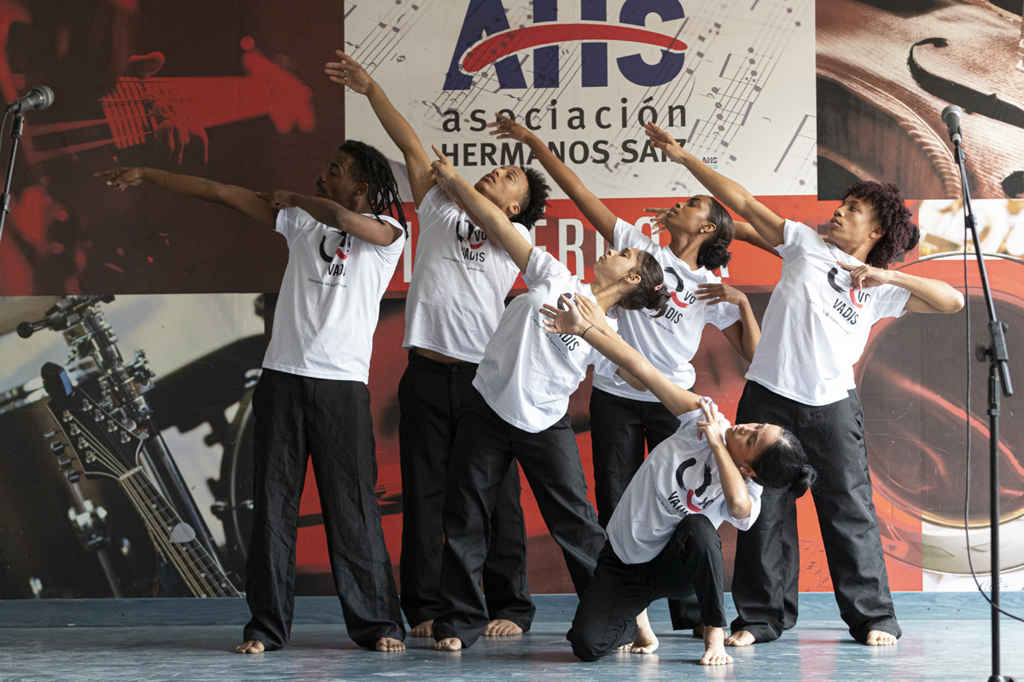
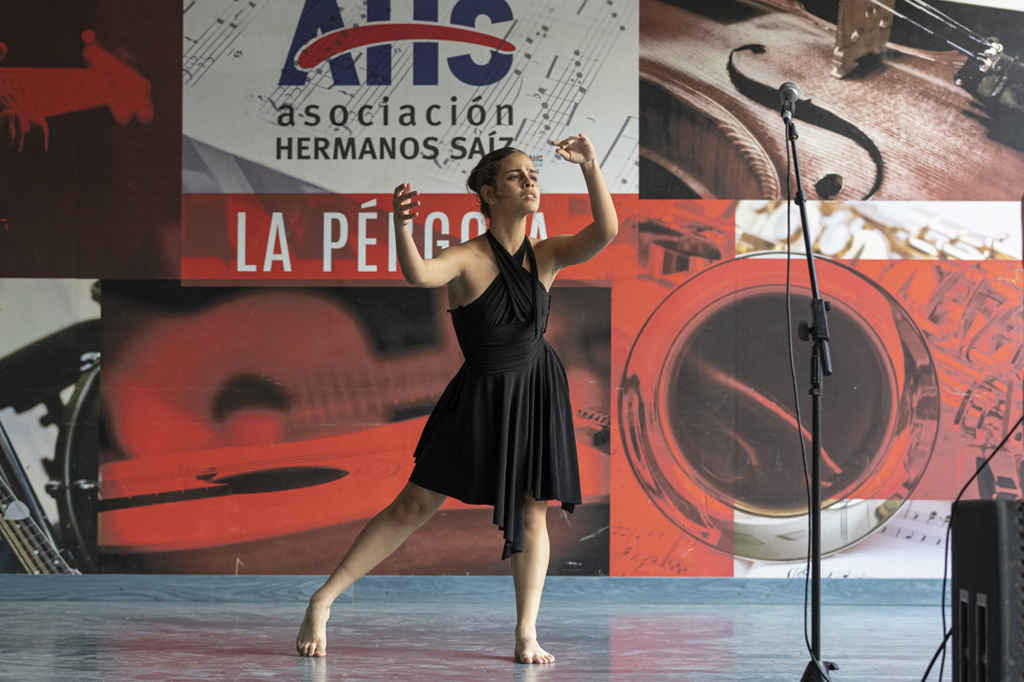
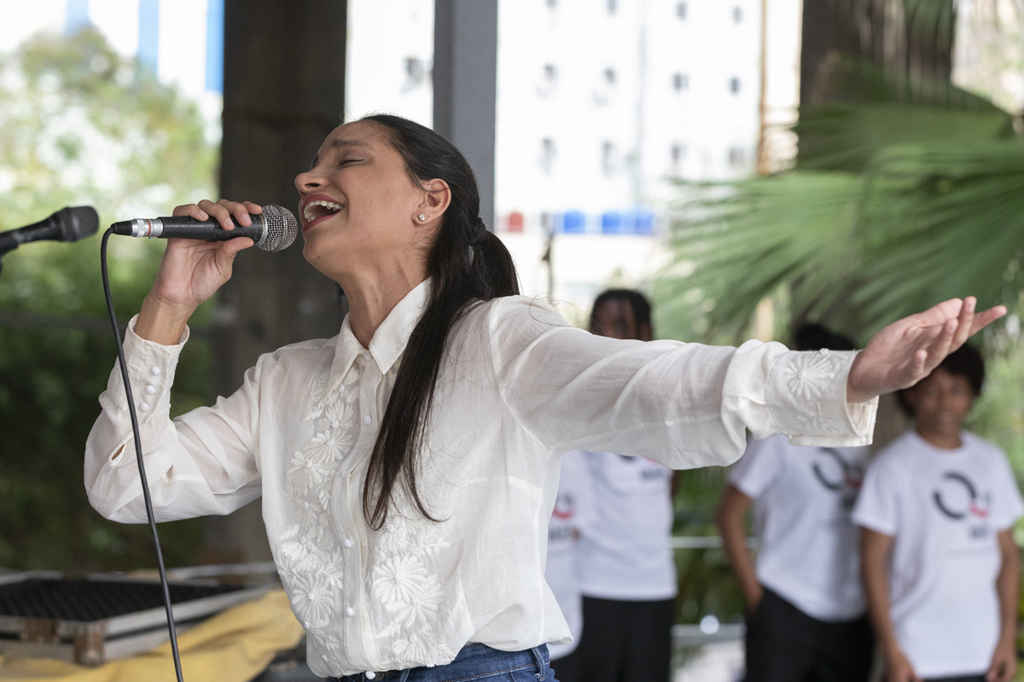
Havana, January 13 (Prensa Latina) Music, dance and décimas marked today in the Cuban capital a meeting between young creators, to sing of peace and sovereignty, and to show solidarity with Venezuela after the US military aggression of January 3.
From La Pérgola, in the Cuba Pavilion, members of the Hermanos Saíz Association (AHS) and students from the National School of Art and the University of the Arts (ISA) made clear their rejection of the events that are shaking the world today and threatening the sovereignty of the Bolivarian nation.
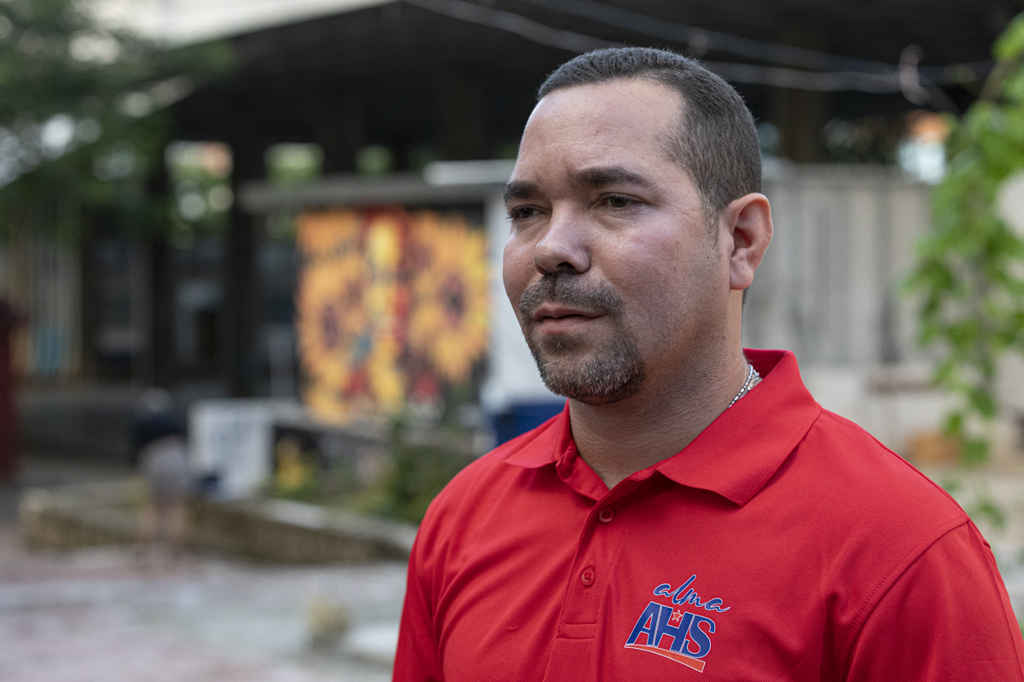
“We have gathered to express our stance against all interference, threats, and anything that poses a danger to life and the well-being of our people,” the national president of the AHS, Yasel Toledo, told the press.
He considered that if anything has defined the Cuban people throughout history, it is that ability to maintain beauty, even in the most complex moments.
“It is our way of raising awareness and showing what our position is: against all interference and threats, in favor of peace and the right to sovereignty of Cuba, Venezuela and the peoples of the world,” he said.
The Association has been closely monitoring the situation, he said, and at the same time has expressed solidarity with the Venezuelan people and with Cuban families for the loss of loved ones.
I like to imagine the people of Cuba as one big family, and that’s something we’ve felt, he added.
He also discussed the AHS’s relationships with young creators from other regions of the world and highlighted the frequent participation of Venezuelan artists in several of the events they promote.
Similarly, he highlighted the rapid response of young Cuban creators and artists to the call to raise their voices in defense of Venezuela.
Cuba has a unique characteristic that fills us with pride, and that is the strong convergence between the intellectual vanguard and the political vanguard, he emphasized.
In his opinion, “in the artistic soul of the Cuban nation there also beats a very strong patriotic heart, which makes us be in spaces like this, ready to defend the country.”
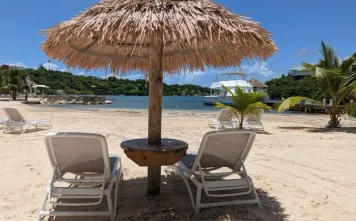
Cuba says Canadians continue to travel to the destination in strong numbers.
In a statement released this week, Cuban tourism officials said the country remains fully operational for international visitors and continues to welcome Canadians, who have long been one of its most important source markets.
“Canada has always been a loyal and essential market for Cuba,” said Juan Carlos García Granda, Cuba’s Minister of Tourism.
“We continue to welcome Canadian visitors with the same warmth, safety, and quality of service they know and trust. The sustained growth in air capacity and demand clearly shows that Canadians feel confident travelling to Cuba and continue to choose our island for their holidays. I very much want to thank them for their tremendous support.”
Cuba says Canada remains a cornerstone market for tourism, with the destination ranking sixth among international travel choices for Canadians. More than 300,000 airline seats are scheduled between Canada and Cuba in the first quarter of 2026.
Direct air service currently connects Canadian travellers to seven destinations across the island. Tourism officials say consistently high load factors have supported new routes and allowed some seasonal services to be extended into year-round operations, increasing choice and accessibility for Canadian travellers.
Alongside airlift growth, Cuba has introduced several new tourism products this winter aimed at expanding its all-inclusive offerings.
One of the additions is the “Santa Maria All In” concept, which extends the resort experience beyond individual hotels across the wider Santa Maria area. The program allows guests to access dining, entertainment and leisure experiences at three tourist plazas, Gallery, Las Dunas and The One Collection, at no additional cost. Amenities include restaurants, bars, bowling, a creamery and a complimentary shuttle service operating from 9 a.m. to 2 a.m.
Cuba has also opened “The Splash Santa Maria” water park, which officially launched on January 3 in the Santa Maria Arena area. Open daily from 10 a.m. to 6 p.m., it is the country’s only water park of its kind and is designed to appeal to families.
For longer-stay travellers, new Snowbird Villas have been introduced at Playas del Este, located about 30 minutes from Havana. The fully equipped villas include a swimming pool, children’s play area, 24-hour Wi-Fi and satellite TV.
Tourism officials say the new offerings are part of a broader effort to diversify Cuba’s tourism product while maintaining the familiarity that has kept Canadian travellers returning to the island year after year.
Havana, January 12 (Prensa Latina) The International Congress “60 Years After the Tricontinental: Context, Impact, Legacy and Future” began today in the Cuban capital with the participation of more than 200 academics representing 27 countries.
The event, which will be hosted by the University of Havana (UH) for three days, includes 43 planned conferences and discussions, in which topics related to anti-imperialism, South-South solidarity, and the emergence of movements such as the Non-Aligned Movement will be debated.
“From the Aula Magna of the University of Havana, which has witnessed numerous events, we condemn the aggression of the US government against the Bolivarian Republic of Venezuela, as well as the kidnapping of its legitimate president, Nicolás Maduro. These acts also constitute an aggression against Latin America and a threat to our zone of peace,” said the university’s rector, Miriam Nicado, at the opening of the event.
According to statements from the organizers, this twentieth edition commemorates the event held in Havana six decades ago.
The Tricontinental Conference, held in January 1966, brought together more than 500 delegates from 80 countries and colonies of the Third World, now called the Global South, as a response from the peoples of Africa, Asia and America to colonialism and imperialism.
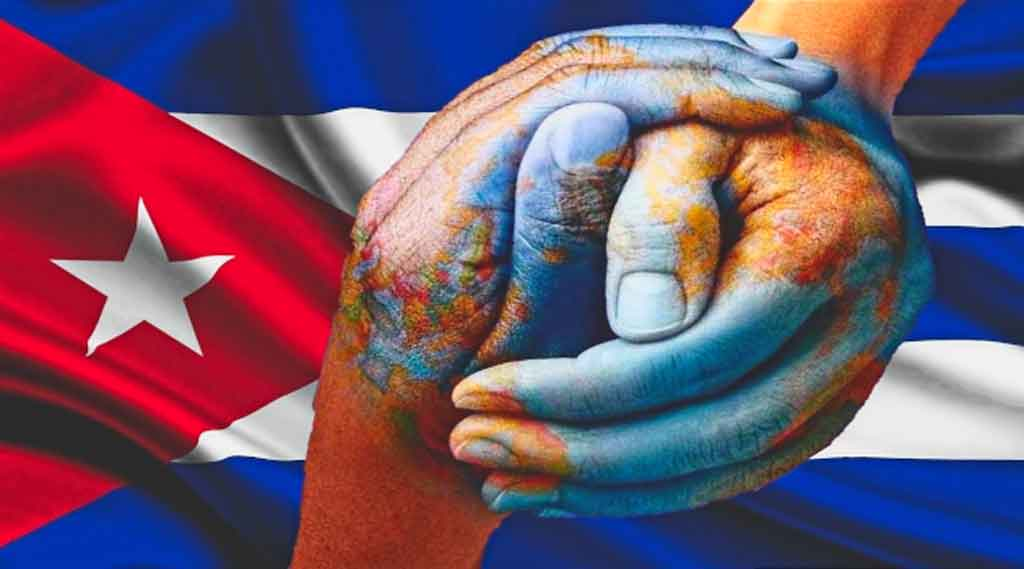
Havana, Oct 12 (Prensa Latina) President Miguel Díaz-Canel stated today that Cuba has always been willing to engage in serious and responsible dialogue with various U.S. administrations, but for now, only technical contacts exist in the area of migration.
The president made the statements on his Twitter account, following claims by US President Donald Trump about alleged contact with Cuban authorities, something the island’s press had already dismissed as speculation. “There are no talks with the United States government, except for technical contacts in the area of migration,” the Cuban president wrote on his social media account.
Díaz-Canel said that the willingness to engage in dialogue includes the current White House administration “on the basis of sovereign equality, mutual respect, principles of International Law, reciprocal benefit without interference in internal affairs and with full respect for our independence.”
The head of state recalled that the origin and extreme tightening of the blockade have no relation to the Cubans residing in the United States, who are there driven by that failed policy and by the privileges of the Cuban Adjustment Act.
The message states that these Cubans on American soil “are now victims of the change in policies towards migrants and the betrayal of Miami politicians.”
Likewise, the president of the Caribbean nation mentioned the existence of bilateral Migration Agreements in force that Cuba scrupulously complies with.
At the same time, he expressed the conviction demonstrated throughout history that “relations between the United States and Cuba, in order to move forward, must be based on International Law instead of hostility, threats and economic coercion.”
The statements made by the First Secretary of the Central Committee of the Communist Party of Cuba on Monday come after a weekend of firm declarations from the island in its defense and in response to threats launched from Washington.
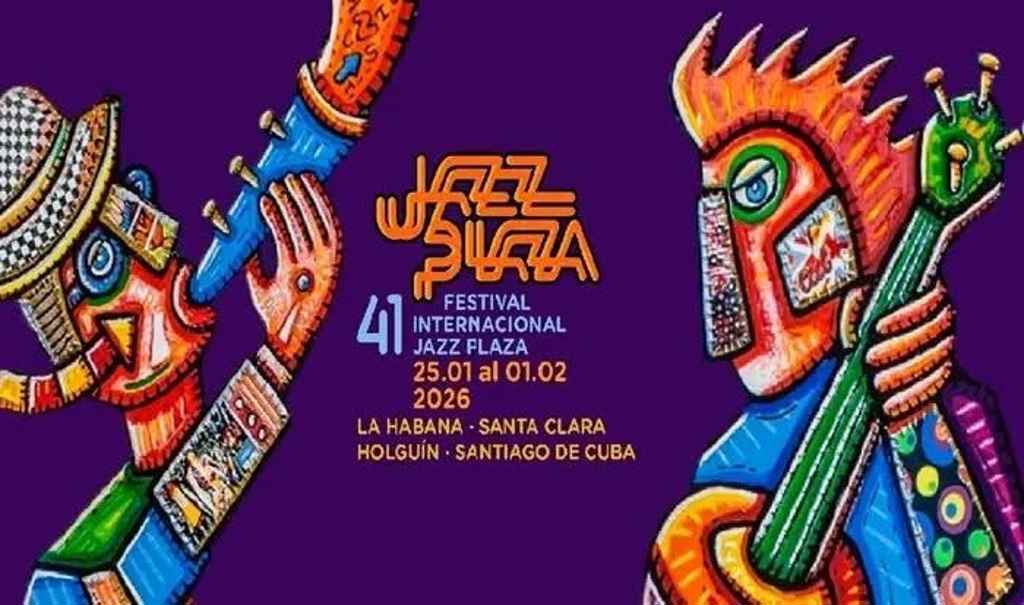
Havana, January 11 (Prensa Latina) Pianist Roberto Fonseca, artistic director of the International Jazz Plaza Festival, promised a spectacular closing show, news that is welcome today along with the participation of Cuban artists and artists from more than 20 countries.
In a recent meeting with the press in the Cuban capital, the prominent musician revealed that this 41st edition of Jazz Plaza (from January 25 to February 1) will bring surprises and will be different from previous editions, without compromising the extraordinary quality of the event.
The title of his show is “Selection of Masters,” and it is a tribute that the award-winning pianist will perform along with very special guests.
Fonseca expressed the possibility of involving film in his artistic proposal, and his intention with it is to touch people’s spirit and emotions.
It’s a very special concert for me, with guests I consider masters, he added. “I’m very happy and I hope all the energy helps us have a wonderful festival.”
The musician is in charge of opening the event in the provinces of Santiago de Cuba and Holguín, on the 24th and 25th, respectively.
-What challenges do you face as the festival’s artistic director?
– There are many challenges, costs are higher every day and it becomes difficult to attract people, because sometimes the artists are not in the country, which leads to rethinking things.
As artistic director, I demand that my colleagues make the concerts different each year, “and we have achieved that.”
In his opinion, many people see the festival as a learning experience and a moment to disconnect from what is currently happening in the world.
As musicians, it is our duty to give them that spiritual satisfaction, above all, because music feeds the soul and the spirit, he said.
“There is nothing more satisfying than leaving a concert and seeing that people forgot all their problems for two hours, that is my intention with the festival.”
In addition to the usual musical offerings, masterclasses and visits to various music schools are expected, among other activities.
This new edition of the International Jazz Plaza Festival will be present in Havana, Santiago de Cuba, Santa Clara and for the first time, in Holguín.
Havana, January 11 (Prensa Latina) Cuban Foreign Minister Bruno Rodríguez today defended the transparency and rights of his government in international relations and criticized the US administration for contrary practices, including military coercion.
Through his account on the social network X, the island’s Minister of Foreign Affairs stated that his country does not receive and has never received monetary or material compensation for security services provided to any country.
In contrast, he emphasized that “unlike the #USA, we do not have a government that lends itself to mercenary activity, blackmail, or military coercion against other states.”
In Sunday’s publication, Rodríguez argued that the Caribbean nation has the absolute right to import fuel from markets willing to export it and that exercise their right to develop their commercial relations, “without interference or subordination to unilateral coercive measures by the US,” he added.
In this regard, he noted that “the US behaves like a criminal and uncontrolled hegemon that threatens peace and security, not only in Cuba and this hemisphere, but throughout the world.”
Law and justice are on Cuba’s side, concluded the head of Foreign Affairs of the Caribbean nation.