Havana, Aug 21 (Prensa Latina) Cuban President Miguel Diaz-Canel denounced the United States government’s attempts to divide the nations of the region through pressure and blockades.
In a message on the social media platform X, the president affirmed that Washington seeks to “weaken us with hate speech and destabilizing actions, but our history is marked by the resistance and victory of united peoples.”
The president also made this statement the day before when speaking at the 13th Extraordinary Summit of Heads of State and Government of the Bolivarian Alliance for the Peoples of Our America-People’s Trade Agreement (ALBA-TCP).
In his speech, Diaz-Canel described the threat of aggression and violation of the sovereignty of Latin American and Caribbean countries by the US government as unacceptable, which disrupts peace and cooperation in the region.
“We denounce with equal firmness the encouragement and financing of terrorist plans against Venezuela, as well as the false accusations leveled by the United States government against President Nicolas Maduro,” he stated.
Diaz-Canel, who urged the defense of peace and peaceful coexistence among member states as an inalienable right and from realistic positions, emphasized: “The threats looming over Venezuela today are based on the same philosophy of dispossession that has turned a small strip of land into the hell of this world.”
Likewise, he considered it necessary to drive the Community of Latin American and Caribbean States’ denunciation of “the new colonizing attempt,” and therefore reaffirmed the importance of holding an extraordinary meeting of the bloc’s foreign ministers.
Snails that need protecting because they are ‘so beautiful’
9 August 2025 — BBC NEWSROUND
These snails are certainly more colourful than the ones we tend to see in our gardens in the UK, but it’s their beauty that has put them at risk of extinction.
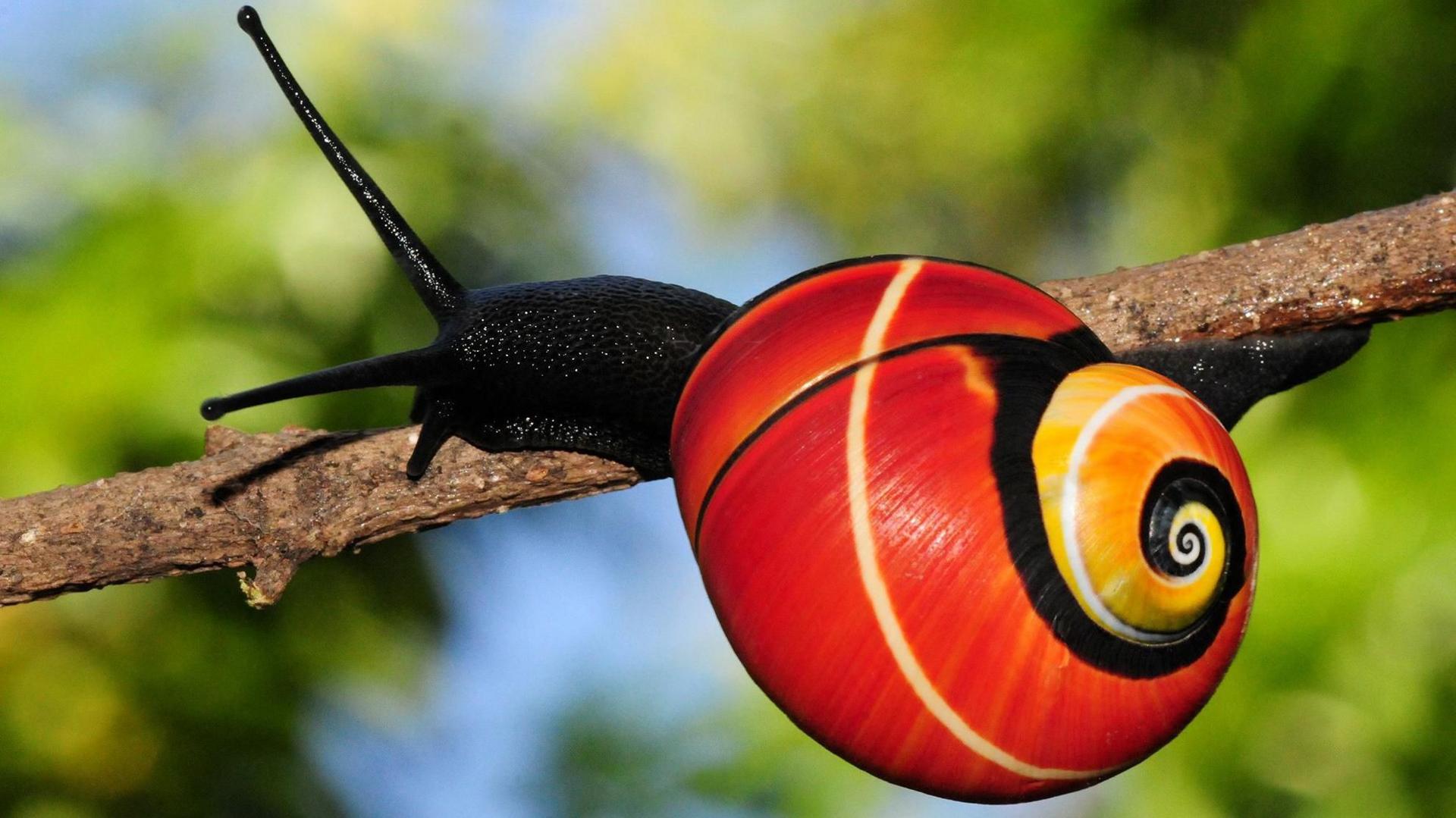
The Polymita tree snail is endemic to Cuba, which means they’re found there.
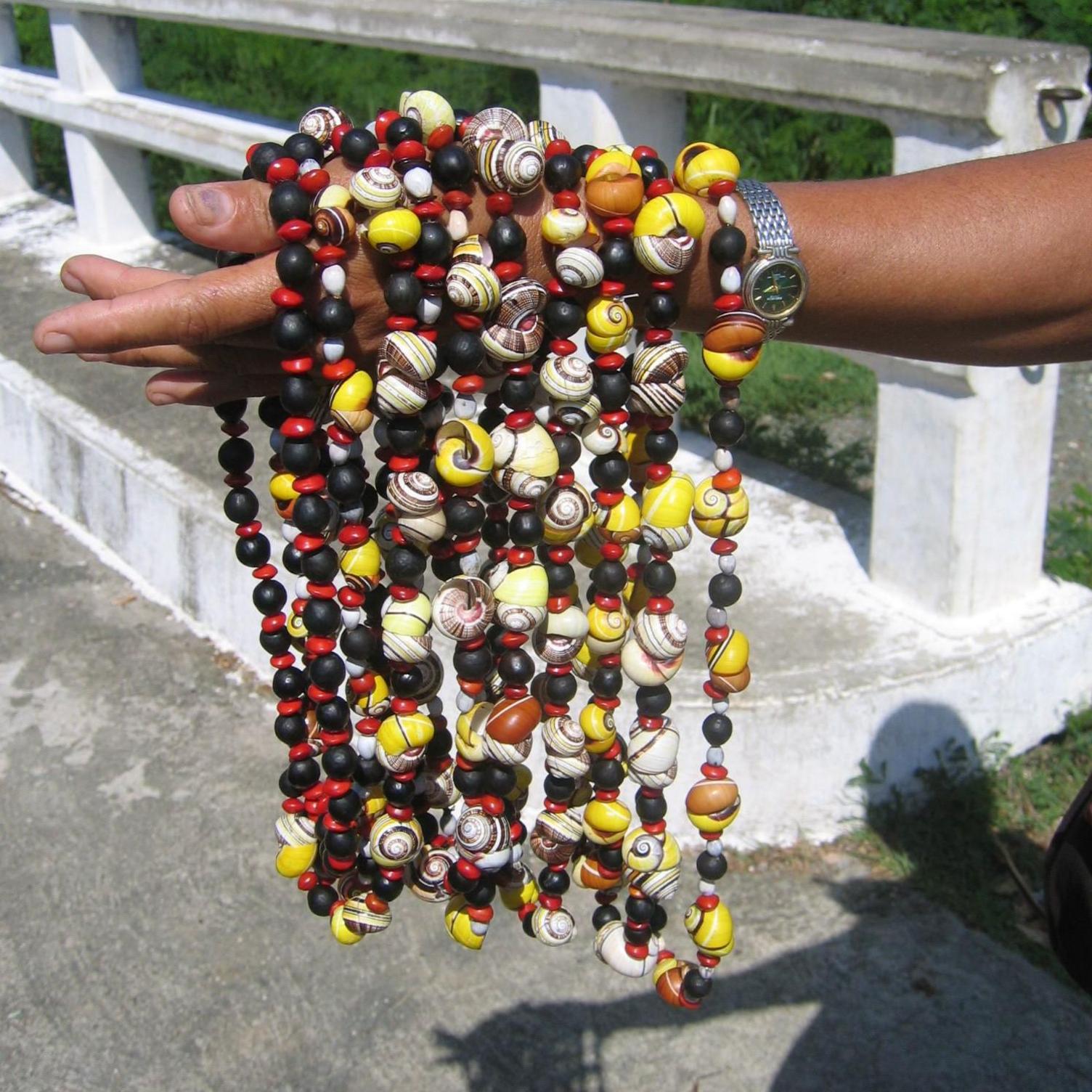
The endangered molluscs have vibrant and colourful patterned shells that make them desirable for people to collect and sell.
Conservation experts say the shell trade is pushing this species towards extinction, so they’re on a mission to save them and learn their biological secrets.
More molluscs over here
Image caption,There are rules in place to try and protect Polymita shells, but they’re difficult to enforce
There are six known species of Polymita in Cuba, and all of them are at risk.
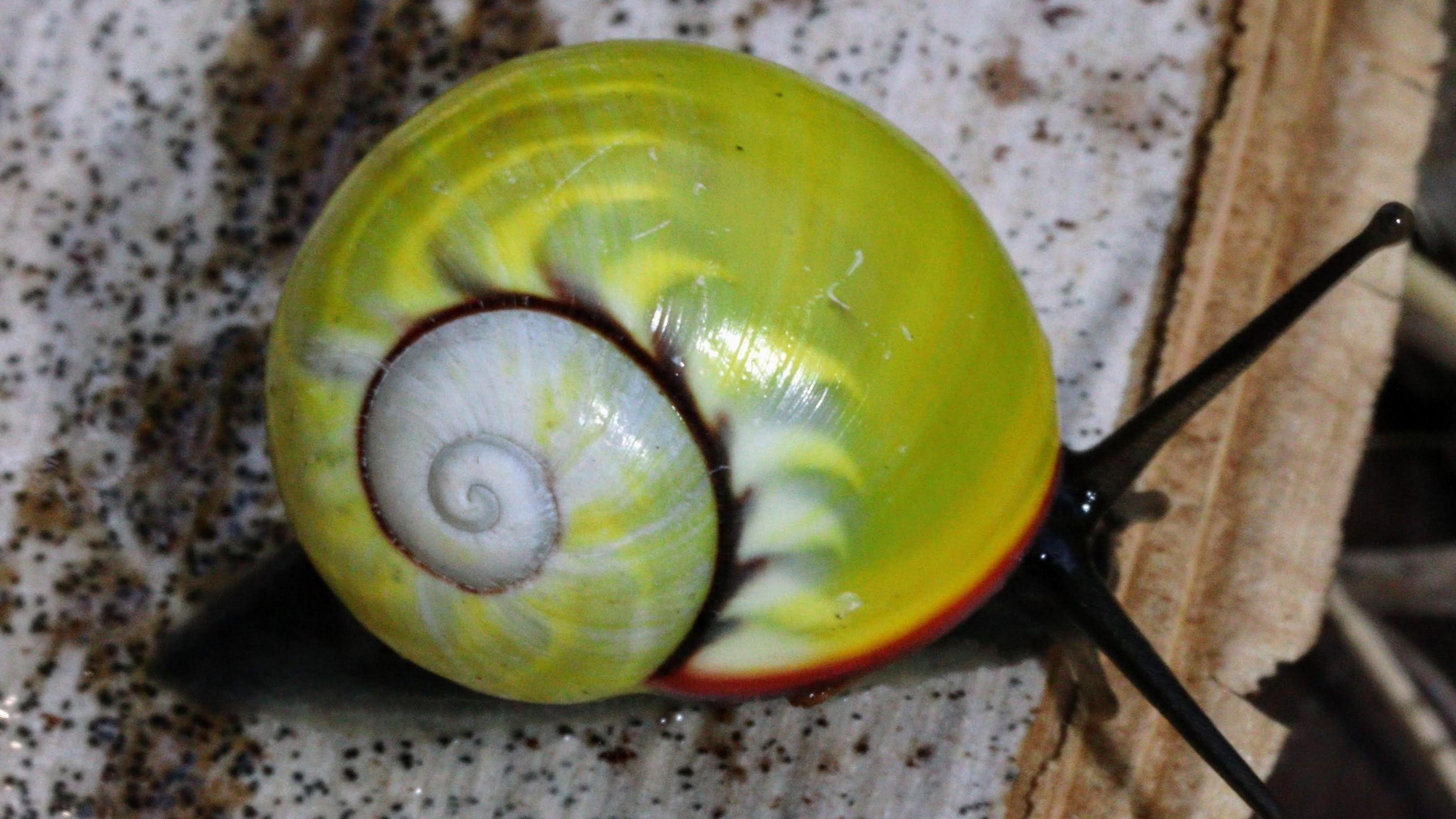
The most endangered is the Polymita sulphurosa, which is lime green with blue flame patterns around its coils and bright orange and yellow bands across its shell.
Shells are bought and sold as decorative objects, but every empty shell was once a living animal.
Not only are their shells collected for trade, but also their native forest habitat in Eastern Cuba is being affected by climate change and forest loss.
Now scientists from Cuba and the University of Nottingham are teaming up to try and save the species.
Image caption,A Polymita snail in its native forest habitat in Eastern Cuba
The biologists are curious as to how and why the snails have evolved such beautiful shells and, from that, understand how to help conservation efforts.
Professor Angus Davison is one of the biologists from the University of Nottingham working on the project. He said:
“You can easily imagine where people collecting shells would tip a population over into local extinction”.
Here in the UK, genetic research is taking place which will tell researchers all about their genome – the set of genetic material which contains all the instructions for its growth and function.
It’s hoped this information will help to understand how many species there are, how they are related to each other and what part of their genetic code gives them their unique colour patterns.
This data will be shared with conservationists in Cuba, Prof Davison added.
“Eastern Cuba is the the only place in the world where these snails are found.
“That’s where the expertise is – where the people who know these snails, love them and understand them, live and work.
“We hope we can use the genetic information that we can bring to contribute to their conservation.”
The governments of Mexico, Colombia, and Cuba rejected the US military deployment in waters near Venezuela. Credit: Andrea Puentes / Presidency of Colombia
The governments of Mexico, Colombia, and Cuba rejected the United States military deployment in waters near Venezuela, escalating tensions between Washington and Caracas. The Trump administration says it is using its naval assets to disrupt drug trafficking and pressure the government of Nicolas Maduro.
Colombian President Gustavo Petro warned that any attempt by the U.S. to invade Venezuela would risk turning the South American country into “another Syria” and would drag Colombia into the conflict.
Mexican President Claudia Sheinbaum said she opposes any sort of military intervention in the region, invoking Mexico’s constitutional prohibition on foreign intervention and urging restraint from the U.S. government. Cuba’s government denounced the U.S.’s deployment as part of what it called a “corrupt agenda.”
US military deployment in Venezuela is officially intended to counter drug trafficking
U.S. officials say that the military deployment is intended to counter drug trafficking near Venezuela, as well as to pressure Maduro’s government, which the Trump administration calls illegitimate.
In remarks to his cabinet, President Petro said he warned he warned U.S. emissaries that military action in Venezuela would be a grave mistake and any sort of intervention would have regional consequences. Sheinbaum said Mexico’s position was “no to interventionism,” adding that the Mexican Constitution bars the nation from supporting foreign military action on its soil or in the region. Cuba’s statement blamed U.S. officials by name and urged that the Caribbean be respected as a “zone of peace.” Other South American countries, like Peru, have expressed their concern about the militarization of Caribbean waters. Regional diplomatic channels have been active as capitals monitor developments.
The White House has defended the deployment as a law-enforcement and counternarcotics operation intended to stop shipments of illegal drugs bound for the United States. U.S. officials say they are targeting transnational criminal organizations and have cast Maduro’s government as complicit with drug traffickers, a charge rejected by Caracas.
Tensions between the US and Venezuela continue to rise
The deployment came after the U.S. government increased the reward for information leading to the capture of Maduro and amid a broader U.S. effort that officials say is aimed at curbing illicit flows of drugs. Venezuelan officials and allied governments in the region have condemned the move, calling it an escalation that threatens stability and sovereignty.
Colombia and Venezuela share a long land border and complicated security ties. Petro said gangs and illicit economies that fuel violence operate on both sides of the frontier, and he called for coordinated action against criminal groups. He has continuously rejected foreign military intervention, as he labels it an unacceptable infringement on sovereignty. At the same time, Petro and Maduro’s government are working on establishing a “binational zone” at the Colombia-Venezuela border to address the mentioned issues.
Diplomatic sources in Bogota said the Colombian government has been dispatching senior officials to speak with international counterparts to urge de-escalation and to seek guarantees that any operations will respect sovereignty and avoid civilian harm.
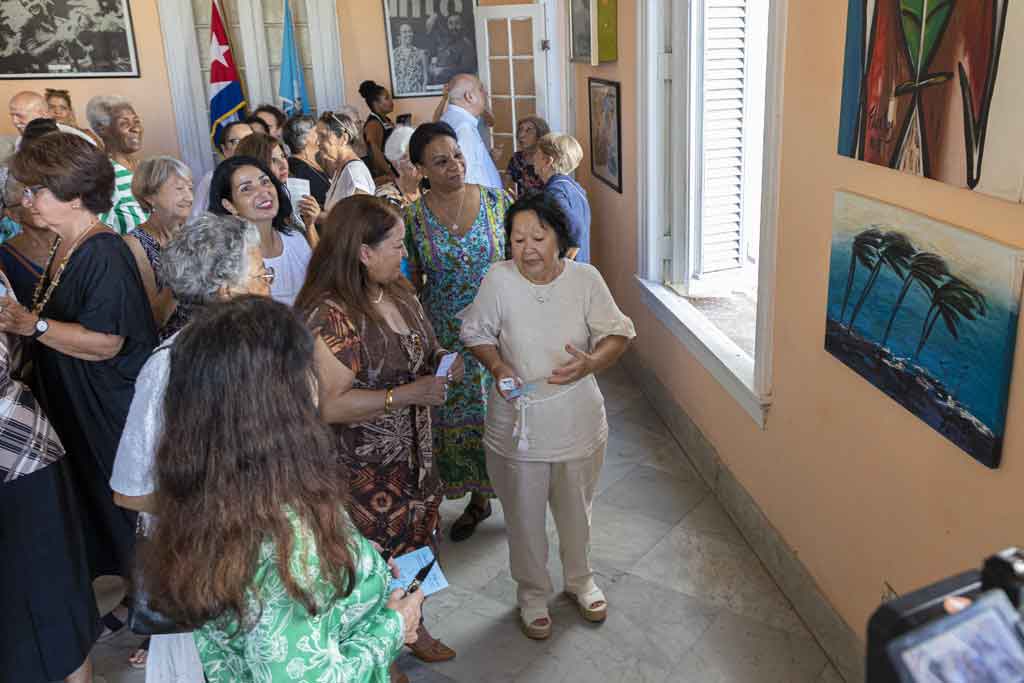
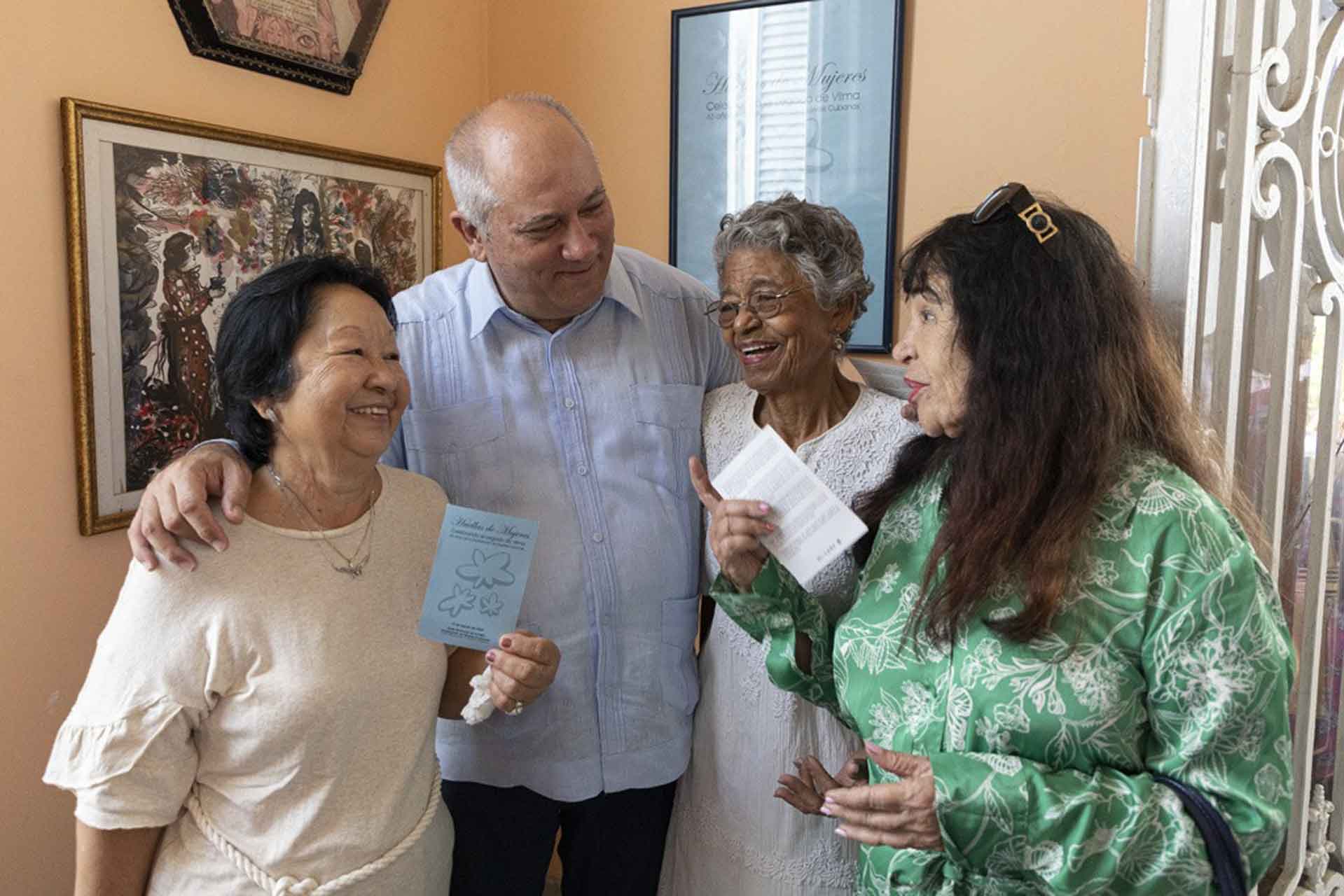
Havana, Aug. 19 (Prensa Latina) This space is a great opportunity to showcase women’s art, maintaining the positive energy we need and that does us so much good, Cuban artist Flora Fong declared today during the opening of the exhibition Huellas de mujeres (Women’s Footprints).
The exhibition, a tribute to the work and legacy of three masters of the visual arts on the Caribbean island: Zaida del Río, Lesbia Vent Dumois, and Flora Fong herself, is located at the national headquarters of the Federation of Cuban Women (FMC), in the Vedado district of the capital.
With support from the Ministry of Culture and the National Council of Visual Arts, the exhibition also honors the work of Vilma Espín Guillois, Heroine of the Republic of Cuba and founder of the FMC, an organization celebrating its 65th anniversary.
Fong expressed his gratitude for the opportunity to share the space with Lesbia Vent Dumois and Zaida del Río, and to showcase the Cuban spirit that characterizes his work.
Speaking to Prensa Latina, Zaida del Río described the FMC’s national headquarters, located at the intersection of 13th and Paseo Streets, as an ideal location for similar activities in the future.
In this regard, Vent Dumois highlighted the importance of the FMC having a permanent exhibition hall.
“It’s excellent that galleries are being created in our institutions’ spaces; it’s a way to delve deeper into the work of our Cuban creators and make it accessible to our population,” he told Prensa Latina.
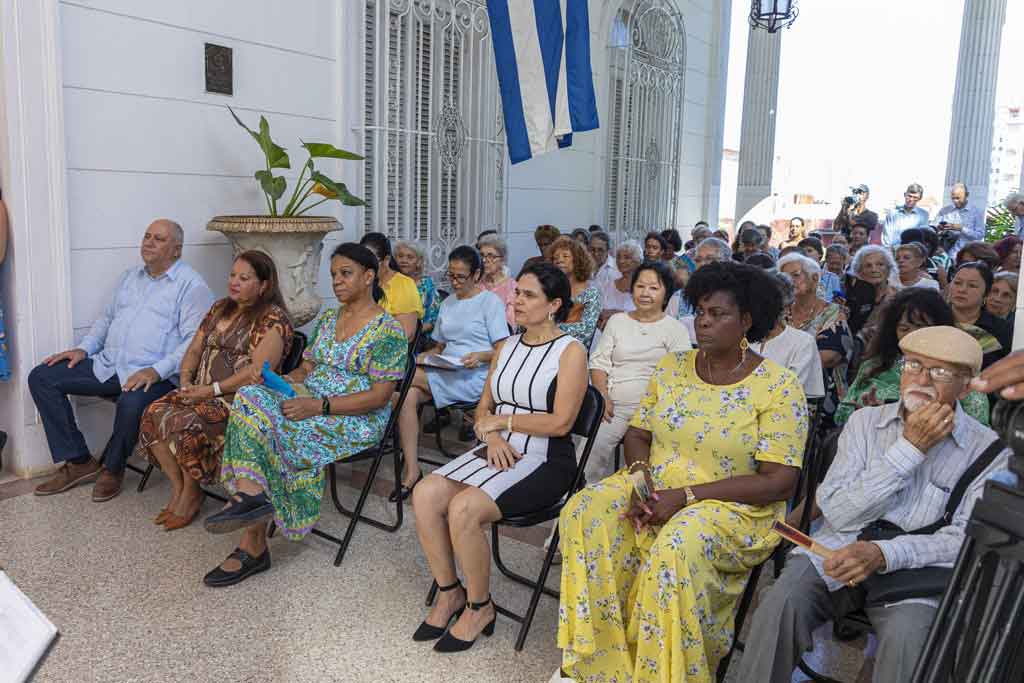
The inauguration was attended by Inés María Chapman, Cuban Deputy Prime Minister; Alpidio Alonso, Minister of Culture; and Teresa Amarelle Boué, Secretary General of the FMC, among other special guests.
The exhibition will remain open to the public for the next three months.
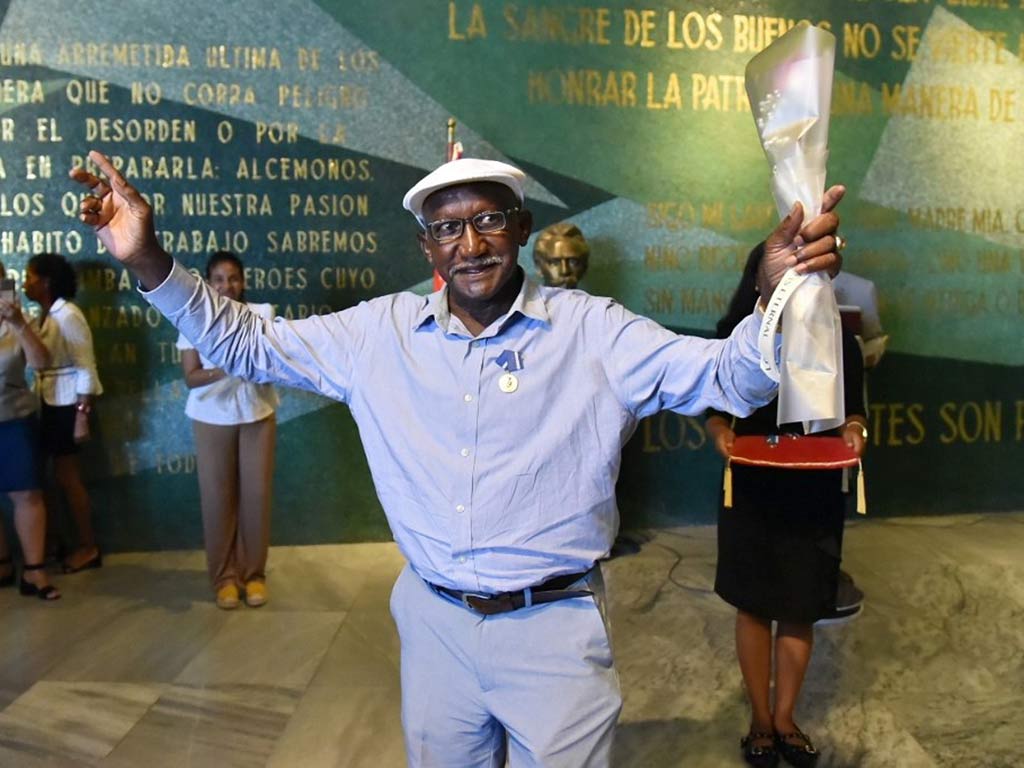
Havana, Aug 19 (Prensa Latina) Personalities with extraordinary work dedicated to the culture of the largest of the Antilles were honored today at a ceremony held at the José Martí Memorial in the Cuban capital.
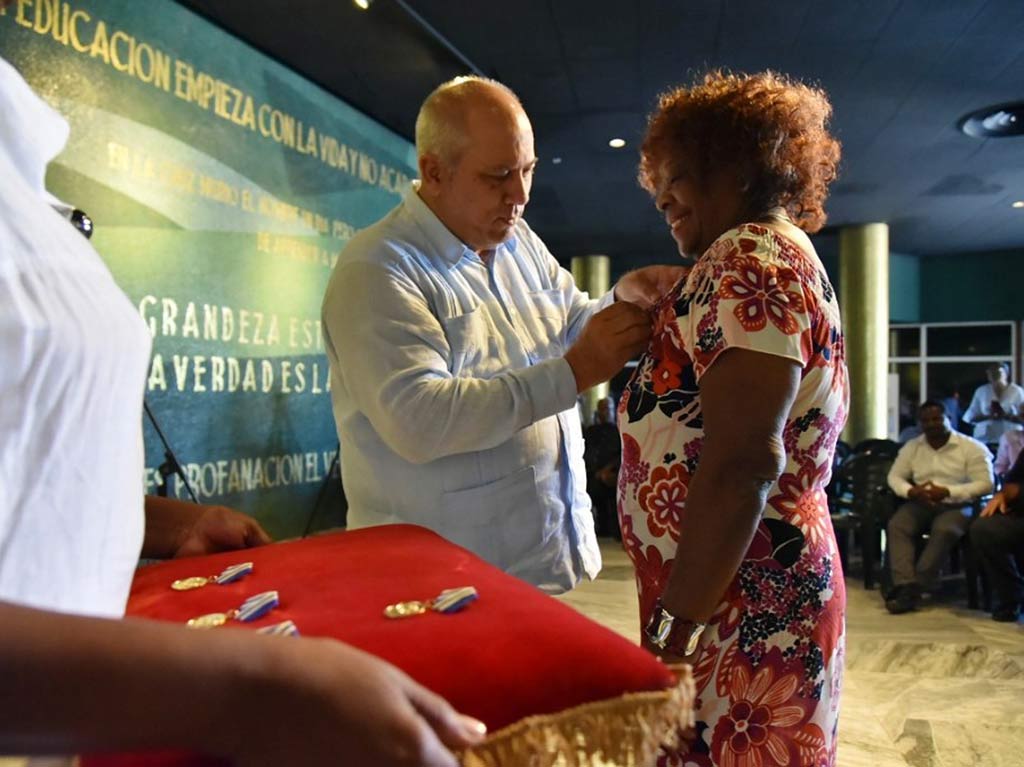
Musicologist Alicia de las Mercedes Valdés, musician Román Justo Pelladito, and writer Armando Valentín Cristóbal were awarded the Alejo Carpentier Medal in recognition of their outstanding achievements and outstanding work in artistic and cultural creation, performance, promotion, and organization.
Meanwhile, the Distinction for National Culture was awarded to 13 figures with similar contributions and professional performance, linked to prestige, enrichment, and promotion of the roots of our cultural heritage.
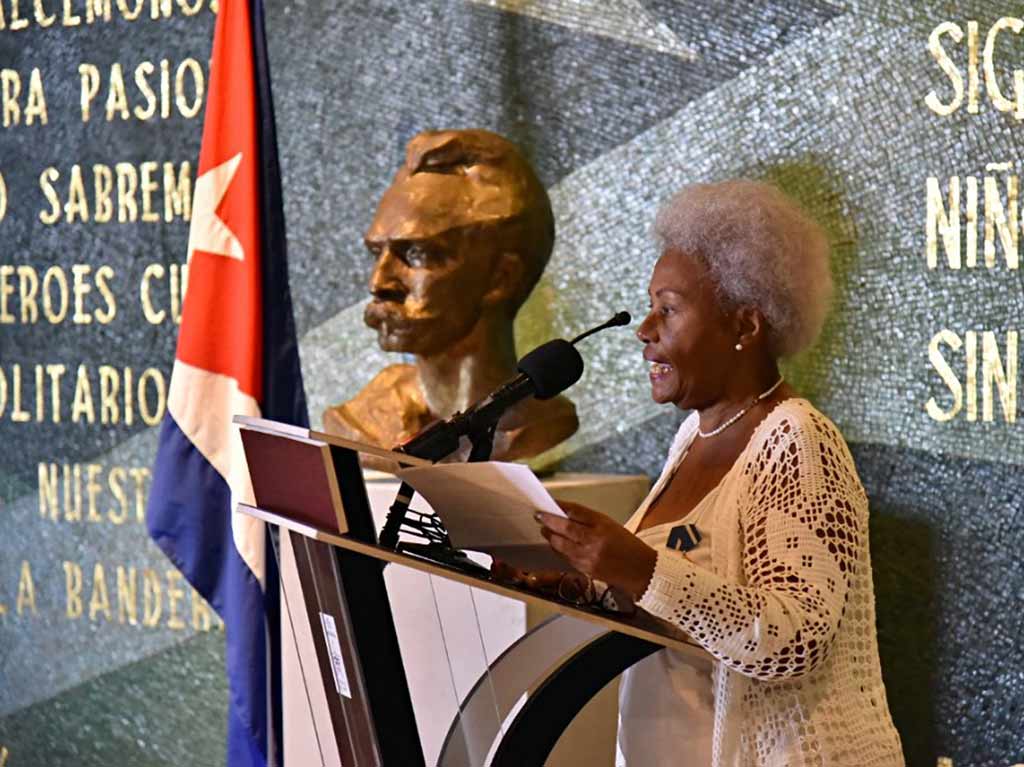
This award is a great honor for us and represents a challenge for our current and future work, because from the first day of our work, we have embraced the challenge as our primary motivation, said Alicia de las Mercedes Valdés, representing the recipients.
The Alejo Carpentier Medal and the Distinction for National Culture represent recognition for living for and through the culture of this country, he added.
Although the path taken was complex, he noted that “we have emerged victorious because we achieved the earthly miracle of creating something that serves as inspiration and guidance.”
In his opinion, this was possible thanks to the demands and support of his family and the Revolution.
At the end, he extended his gratitude to both of them, stripped of unnecessary embellishments and filled with sincerity.
Music and the satisfaction of having fulfilled one’s life’s work well delighted the gathering, which was not lacking in praise, nor in admiration and love for what Commander in Chief Fidel Castro urged us to save: culture.
San Salvador, Aug 17 (Prensa Latina) The historic leader of the Cuban Revolution, Fidel Castro, remains in the memory of Salvadorans in solidarity with the island today, 99 years after his birth.
Fidel lives on in the validity of his thought as one of the great figures of the last century, which allowed him to travel to the future to warn the world of the dangers of the unpayable foreign debt for developing countries and the climate crisis that today threatens human existence, for example, according to attendees at a cultural gathering in this capital.
Ideas like these were expressed at the event held this Saturday in this capital, where solidarity groups commemorated the work of the “Comandante” in an atmosphere that included songs by Cuban singer-songwriter Carlos Puebla, whose lyrics expressed his anti-imperialist views.
Many remembered the verses of “the fun is over, the Commander arrived and ordered it to stop,” alluding to the end of the debauchery of the American monopolies in Cuba,
The tribute was enlivened by Salvadoran singer Moisés Ramos, who performed several pieces popularized by Puebla and his group.
Present at the event was Cuban Ambassador to El Salvador Tomás Lorenzo, who took the opportunity to denounce the latest US aggression against his country, which adds to the measures implemented by the Donald Trump administration during its first term.
The Cuban diplomat thanked Salvadorans for their solidarity in honoring Fidel on his birthday.
On August 13, among other activities, solidarity groups gathered at the José Martí roundabout in this capital to commemorate Fidel’s birth and his great work for humanity, with the profound internationalist sentiment that characterizes the Cuban Revolution.
Guatemala City, Aug 17 (Prensa Latina) The Cuban Medical Brigade today receives another recognition in its more than 26 years here, on behalf of the people of Guatemala, from the Coordinator of Solidarity with José Martí Island.
In an event honoring the 99th birthday of the Commander-in-Chief of the largest island in the Caribbean, the Guatemalan organization hailed the Caribbean white-coated professionals as a living symbol of internationalism, commitment, and humanity.
Since their arrival in 1998, amidst the emergency caused by Hurricane Mitch, their doctors have been in the most forgotten corners of our land, bringing health, hope, and dignity to those who need it most, he added.
For more than two decades, its doctors, nurses, and technicians worked tirelessly in rural and indigenous communities, facing adverse conditions with courage and dedication, he emphasized.
They saved lives, restored the vision of thousands through Operation Miracle, and have been pillars in the fight against epidemics and health emergencies, the Coordinator described. Their presence in many departments of the country, their delivery to hospitals, health centers, and remote villages, is a testament to a cooperation that transcends borders, she emphasized.
They are true heroes in white coats, whose legacy will remain engraved in the memory of our people, emphasized its members gathered in this capital.
They thanked the Brigade for giving life, for demonstrating that medicine can also be an act of love, and for reminding everyone that solidarity among nations is possible when people are at the center.
At the event, the Cuban Consul in Guatemala, Raúl Antonio Cardoso, expressed his deep gratitude for the recognition, while describing the affection and love that the Antillean doctors have received from the Guatemalan people as significant.
Aura Lily Escobar, representative of the José Martí Solidarity Coordinator, recalled that even during the COVID-19 pandemic, they were in the land of the quetzal, serving the people.
That speaks volumes about the care provided, their professionalism, and their willingness, because they are doctors who provide their services voluntarily, he emphasized.
They came to cover what many doctors here didn’t do, to stay in the most remote places, where not a single medicine was available, where many people died just from a cold or diarrhea, Escobar reflected.
Hanoi, Aug 16 (Prensa Latina) The Vietnam Red Cross-led campaign to support Cuba more than tripled its initial goal today, raising more than 219 billion dong (about $8,338,000).
The amount, reached just 72 hours after the initiative’s launch, was reported here by the news website VTV24, part of the Digital Content Production and Development Center (VTV Digital).
The campaign’s initial goal was to raise 65 billion dong (more than $2.47 million), and this goal was doubled the day before, when contributions from more than 598,368 individuals and organizations totaled 125.32 billion dong (about $4.77 million).
Speaking to the press shortly after the results were announced, Cuban Ambassador Rogelio Polanco expressed his deep appreciation for the extraordinary participation of the Vietnamese people in this initiative to support their country.
What we’ve experienced in recent hours cannot be achieved without a deep sense of unity between our peoples, a legacy forged by several generations of leaders led by President Ho Chi Minh and Commander-in-Chief Fidel Castro, he emphasized.
Polanco also stated that “this campaign has touched the deepest souls of the Vietnamese people, demonstrating their generosity, altruism, and human courage for a nation thousands of miles away.”
He also noted that, as the organizers of the successful initiative stated, this is also a call for international solidarity. “May peoples unite to clearly, sincerely, and forcefully express the love we feel when a nation is under attack, as the Cuban nation is today,” he said.
On behalf of the Communist Party, the State, the Government, and the people of Cuba, the ambassador also expressed his deepest gratitude to the authorities and people of Vietnam for this new demonstration of profound solidarity and the love that once again fuels the close relationship between the two countries.
The campaign to support the Cuban people, launched here this Wednesday on the occasion of Commander-in-Chief Fidel Castro’s 99th birthday and in the context of the Vietnam-Cuba Year of Friendship and the 65th anniversary of the establishment of diplomatic relations between the two countries, will run until October 16.
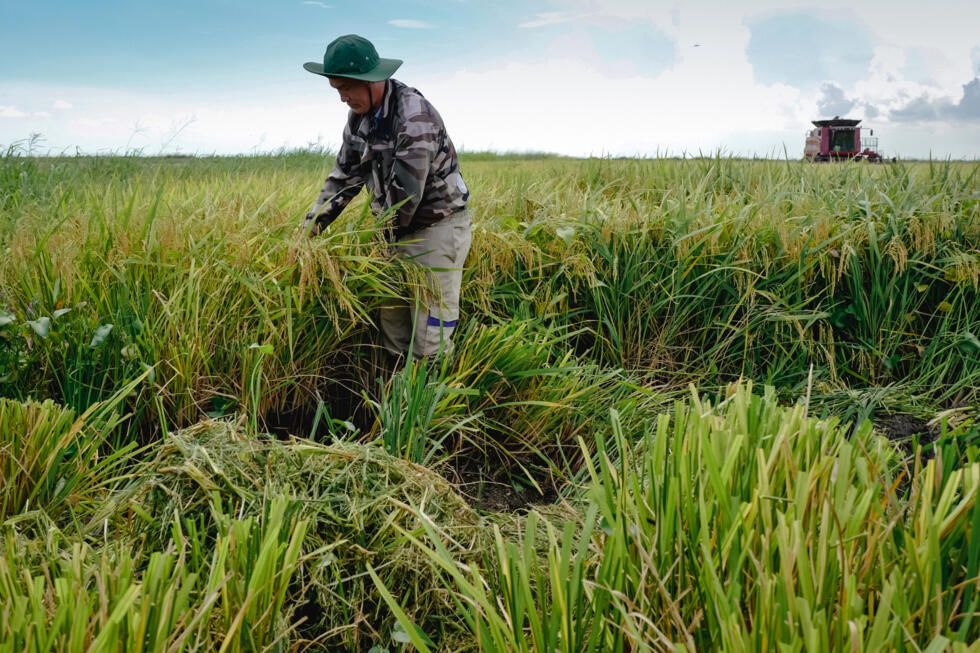
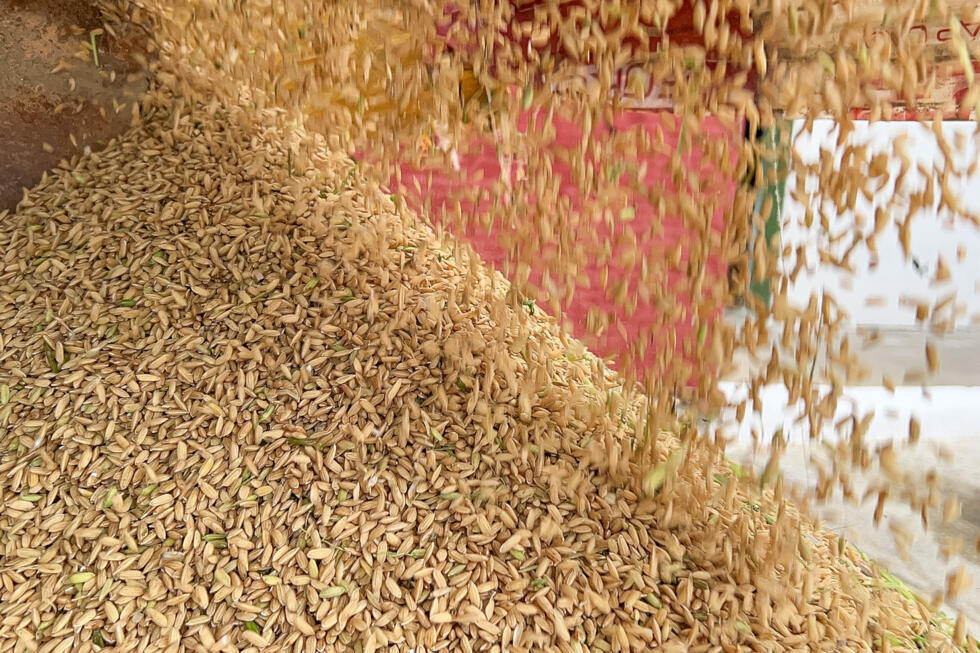
Los Palacios (Cuba) (AFP) – Outside Havana, a combine belonging to a private Vietnamese company is harvesting rice, directly farming Cuban land — in a first — to help address acute food shortages in the country.
Issued on: 15/08/2025 – France 24
The Cuban government has granted Agri VAM, a subsidiary of Vietnam’s Fujinuco Group, 1,000 hectares (2,470 acres) of arable land in Los Palacios, 118 kilometers (73 miles) west of the capital.
Vietnam has advised Cuba on rice cultivation in the past but this is the first time a private firm has done the farming itself.
The government approved the move after a 52 percent plunge in overall agricultural production between 2018 and 2023, according to data from the Center for the Study of the Cuban Economy at the University of Havana.
The rice numbers are even worse. Total rice production dropped from 300,000 tons in 2018 to 55,000 tons in 2021, in the depths of the COVID pandemic. The number is slowly recovering, authorities say.
Rice is a staple of the local diet, with Cubans consuming 60 kilos (132 pounds) of rice per person per year.
During a media visit to its rice fields in May, an Agri VAM representative said the harvest yield to date is seven tons per hectare, “but we want more.”
That number dwarfs the ton and a half yield-per-hectare of Cuban growers.
Vietnam experienced the kind of food shortages that Cuba is going through now, in the 1980s. Today, the Southeast Asian country is the world’s third exporter of rice and a valued consultant to other rice-growing nations.
“The climate and the temperature are very good for agriculture,” but Cuban growers lack necessary farming products such as fertilizers, the Agri VAM representative told reporters.
Though Agri VAM can import some materials, it faces other obstacles such as fuel shortages, transportation problems and frozen assets, Cuban economist Omar Everleny Perez and other sources with knowledge of the situation told AFP.
Agri VAM and other foreign firms in Cuba may be making profits but “they cannot transfer them abroad because the banks have no liquidity, no foreign currency,” Perez said.
An independent Cuban media outlet, 14ymedio, recently published excerpts of a letter dated in May, in which Agri VAM asked the Cuban government to unfreeze $300,000 in its account at state-owned International Financing Bank.
Vietnam’s state press in May quoted deputy agriculture minister Nguyen Quoc Tri asking the government in Havana “to eliminate investment barriers that Vietnamese companies encounter.”
AFP contacted Agri VAM and Cuban officials but got no response.
Cuba is mired in an acute economic crisis and desperately in need of foreign investment. Vietnam and other allies have shown interest.
In July, Cuban Prime Minister Manuel Marrero Cruz announced that Havana was taking measures “to energize foreign investment” as he authorized “wholly foreign-owned companies” in the hotel sector.
After three years of promises, Russia’s deputy prime minister Dmitry Chernyshenko announced in May that Russian businesses want to invest $1 billion in Cuba. Moscow will give them preferential financing rates, he said.
But he cautioned that there is “still hard work to be done” and said it is “impossible to achieve things immediately, as if by magic.”
Havana, Aug 15 (Prensa Latina) President Miguel Díaz-Canel today received Namibian Ambassador Samuel Hendrik Goagoseb, who concludes his mission at the head of his country’s diplomatic mission in Cuba.
According to the presidential website on the social network X, the president thanked the Namibian ambassador in Havana for his contribution to the development of historic relations between the two peoples.
The Cuban Foreign Ministry noted on its official website that the Caribbean and African countries base their relations on the brotherhood and internationalist solidarity forged in the struggle against colonialism and apartheid.
He also highlighted that between 1970 and 1980 Namibian fighters from the South West Africa People’s Organization (Swapo) participated alongside Cuban troops in Angola, confronting the South African occupation.
On March 21, 1990, coinciding with Namibia’s Independence Day, diplomatic relations between the parties were formalized.