Havana, April 28 (ACN) US solidarity activists from the US state of Illinois will join Cuban workers’ May Day March in eastern Santiago de Cuba city to reaffirm the bonds of friendship between the US and the Cuban people.
The march and demonstration will take place Thursday May 1st at the Antonio Maceo Revolution Square under the slogan: “For Cuba, we Create Together.”
Illinois Solidarity Movement leader Howard Ehman say the activists come to to Cuba to work, eat, dance and sing along the Cuban people, as a way to foster friendship and take a look at the Cuban people’s everyday life.
Ehman expressed his admiration for the courage of the Cuban people and his determination to support the struggle against the US economic, commercial and financial blockade against Cuba.
The US activists will visit local communities, health institutions, schools and historic and cultural sites in Santiago de Cuba.
Religiosas asisten a una misa en memoria del difunto papa Francisco en la Catedral de La Habana el 24 de abril de 2025.YAMIL LAGE
Apr 25, 2025 Big Country News – Clarkston, Washington State
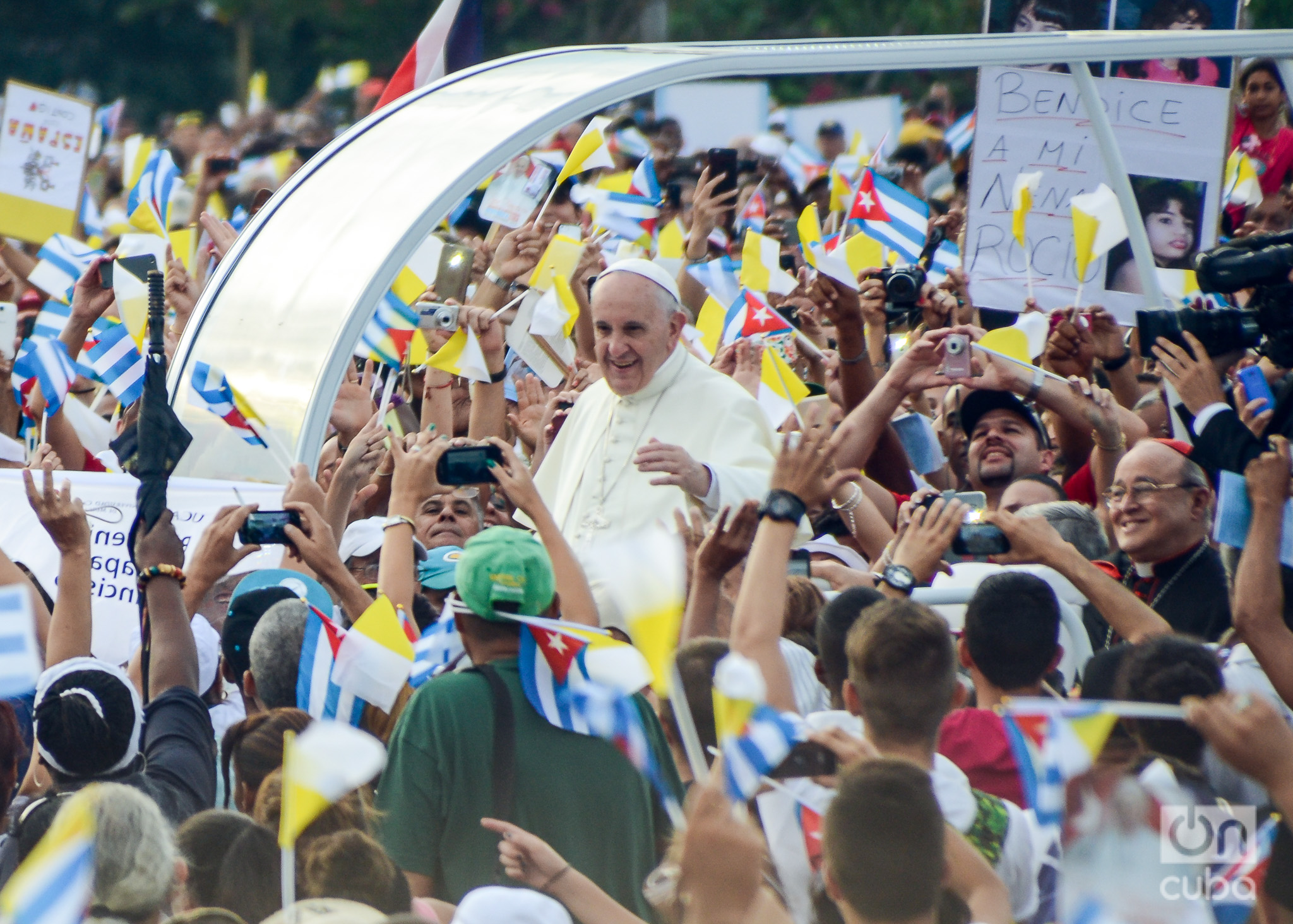
Catholics and others in secular Cuba have been paying tribute to Pope Francis, praising in particular his efforts to reconcile the communist island with its powerful neighbor, the United States.
The country, which was officially atheist for three decades, declared three days of mourning for the pontiff, and Cuban President Miguel Diaz-Canel attended a special mass at Havana’s cathedral Thursday.
Ex-president Raul Castro — brother of revolutionary leader Fidel, who had initially cracked down on religion — sent a message of condolences calling Francis a “man of integrity.”
The Catholic Church’s first Latin American pope played a special role in Cuban history, negotiating a resumption of diplomatic relations with Washington under president Barack Obama in 2015, after decades of Cold War estrangement.
He became the third pope to visit the island, once in both 2015 and 2016.
The Communist Party of Cuba declared the state secular, no longer atheist, in 1992, allowing for greater religious freedom.
Havana’s cathedral, which normally draws only a trickle of worshippers, was packed Thursday to bid a final farewell to Francis.
The pontiff, who died Monday aged 88, “fostered dialogue, especially between Cuba and the United States, which was very difficult,” said 75-year-old Osvaldo Ferreira, a cathedral custodian.
The pope, added 24-year-old doctor Rayneris Lopez, was “like a bridge” between Cuba and the United States.
– Pope ‘loved this country’ –
The detente that Francis helped foster has suffered setbacks since Obama left office in 2017.
Obama’s successor Donald Trump severed ties with Havana during his first term, and toughened sanctions now in place for over 60 years.
In 2022, the administration of Joe Biden added Cuba to a religious freedom blacklist, pointing to arrests of religious figures over their purported role in rare public protests, as well as restrictions on certain churches.
Cuban Foreign Minister Bruno Rodriguez at the time rejected the accusation saying: “It is known that in Cuba there is religious freedom.”
In one of his final official acts, Biden on January 14 removed Cuba from a US list of state terror sponsors in return for the communist island agreeing to free 553 prisoners in a deal also mediated by the Vatican.
But six days later marked the swearing-in of Trump for a second term. He swiftly overturned the deal.
Havana claims it has released all 553 people subject to the deal with Biden, including 231 considered “political prisoners” by rights groups.
Most of the 231 had been rounded up in a crackdown on mass protests against the Cuban government in July 2021.
During his homily on Thursday, the Holy See’s envoy to Cuba Antoine Camilleri recalled the late pontiff had “loved this country, the Cuban church, and the Cuban people very much.”
“They are a people with wounds, like all people, but who know how to hold their arms open, to walk with hope, because their vocation is greatness,” Camilleri said Francis told him in a meeting in February.
By Cid Frydman, April 25th, 2025 — Berkeley High Jacket- the Voice of the Students
For years now, the Berkeley High School Jazz program’s juniors and seniors have been traveling all the way to Cuba to visit the students at Cuba’s Escuela Nacional de los Artes. The trip has provided a unique opportunity for students to travel to Cuba and immerse themselves in the vibrant music scene Cuba has to offer.
For a while, there has been a plan in the works to have the Cuban students travel here to visit Berkeley and finally be able to experience what it’s like on the other side of this cultural exchange.
However, despite the months of planning and excitement, the Cuban students were denied visas for their visit. The news came as a shock to the BHS jazz community and left many confused and questioning what happened. BHS senior and bassist Nicolas Hernandez stated his feelings towards the matter saying, “It’s just upsetting to me because, they’re probably not gonna be able to come here for a very, very long time, because of the political conflicts and we can come there biannually. I feel the situation has sort of made me realize we have a lot more privilege when it comes to travel, especially since we are American citizens.”
Cuba and the United States have had tensions for decades, primarily due to political differences. In March of 2019, President Trump and his administration shortened the validity of B-2 visitor visas for Cuban citizens from five years down to only three months. Since then, Cuban visas have become inspected more closely, showing the complicated relationship between the two countries. On Monday, Jan. 20, 2025, President Trump ended the CHNV parole program, which allowed millions of people from Cuba, Haiti, Nicaragua, and Venezuela to legally enter the U.S. for two years for work purposes. Since terminating this program, millions of immigrants have been left facing uncertainty of their legal status and possible deportation. However, on Saturday, March 15, 2025, Trump officially released an updated travel ban with 43 countries characterized into three groups: potential visa restrictions, partial restrictions, and full restrictions. Currently, Cuba sits on the list of fully restricted countries where all travel is banned.
“For those of us who really care about the Cuban people and want our countries to have a good relationship, Trump has rolled all of that back. He just put Cuba on the list of red warning countries he’s considering not allowing anyone from Cuba to come to the United States ever, for any reason,” said BHS Jazz Director Sarah Cline.
Tanvi Kumar, a BHS senior in the jazz program, commented on the Cuba situation and how it’s impacted her. “I would say musically, it’s really sad to see that this kind of stuff happens around the world. And I would say, in our country, we’re super privileged to have all the resources we do. Look at our facilities in this building. It’s amazing. In Cuba, they were struggling to find a good bow for a violin, or extra strings, or for the guitar or whatever. Mentally, it’s impacted me because I feel like I have kind of opened my eyes to the realities of how there are different situations in different countries,” Kumar said.
Cuba is a nation filled with rich history and culture and is known for its vibrant and thriving arts scene, from Afro-Cuban jazz to Cuba’s legacy of bands such as Orquesta Aragón, Benny Moré and his Banda Gigante, and Perez Prado and his orchestra. Cline commented on the music scene, “Cuba has an amazing music education program that is nationwide, and their students are incredibly advanced. They’re really, really, really good. And our students listen to them, and it’s like new possibilities. Our travels to Cuba have made us love Cuban music and love Latin dance music, and have meant that we’ve played a ton of this kind of music and … had amazing role models and teachers for how to do that in an authentic way.”
Although the visa denial leaves the BHS jazz community members disheartened, BHS students remain committed to fostering the friendships and musical bonds between the U.S. and Cuba. “We learn so much from each other when we get to be together,” Cline said.
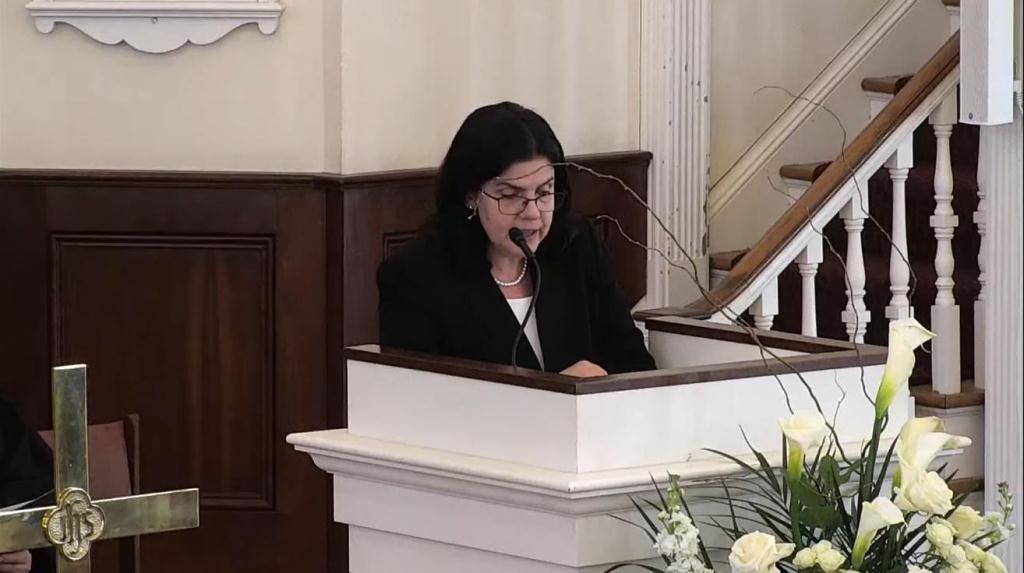
Washington, Apr 27 (Prensa Latina) Cuban Ambassador Lianys Torres today described the late U.S. religious leader, Reverend Joan Brown Campbell, as a tireless defender of human dignity, a loyal friend, and a voice of hope.
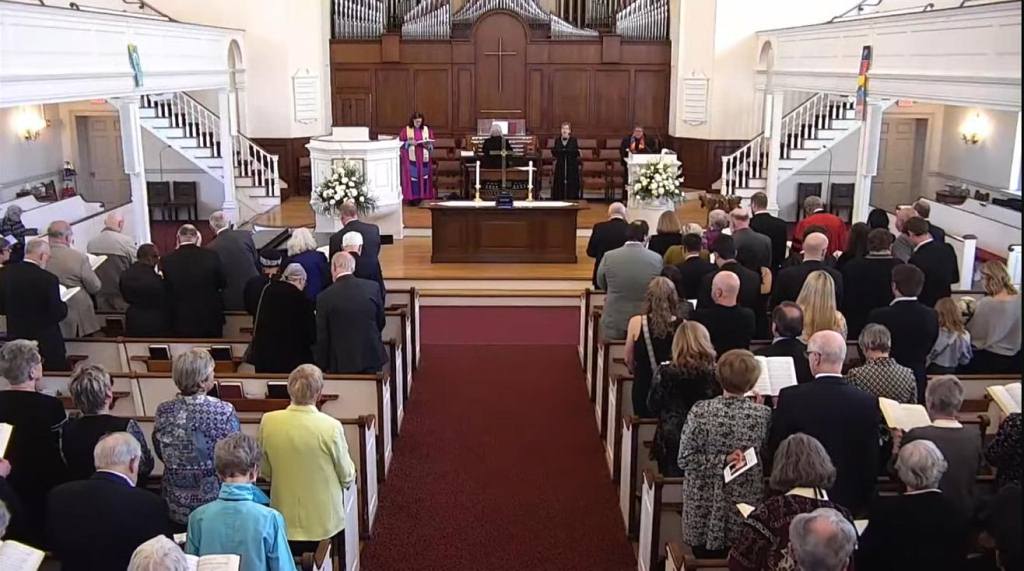
Torres, Chargé d’Affaires of the Cuban Embassy in the United States, reiterated her gratitude to the “dear friend of the Cuban people” during a religious service this Sunday at Plymouth Church in Ohio, “to honor the life of a woman whose legacy is engraved in the hearts of those who believe in justice, compassion, and peace,” she said.
She recalled that “her journey with Cuba began through the Cuban Council of Churches and was strengthened in 1966, when she met the leader of the Cuban Revolution, Fidel Castro.”
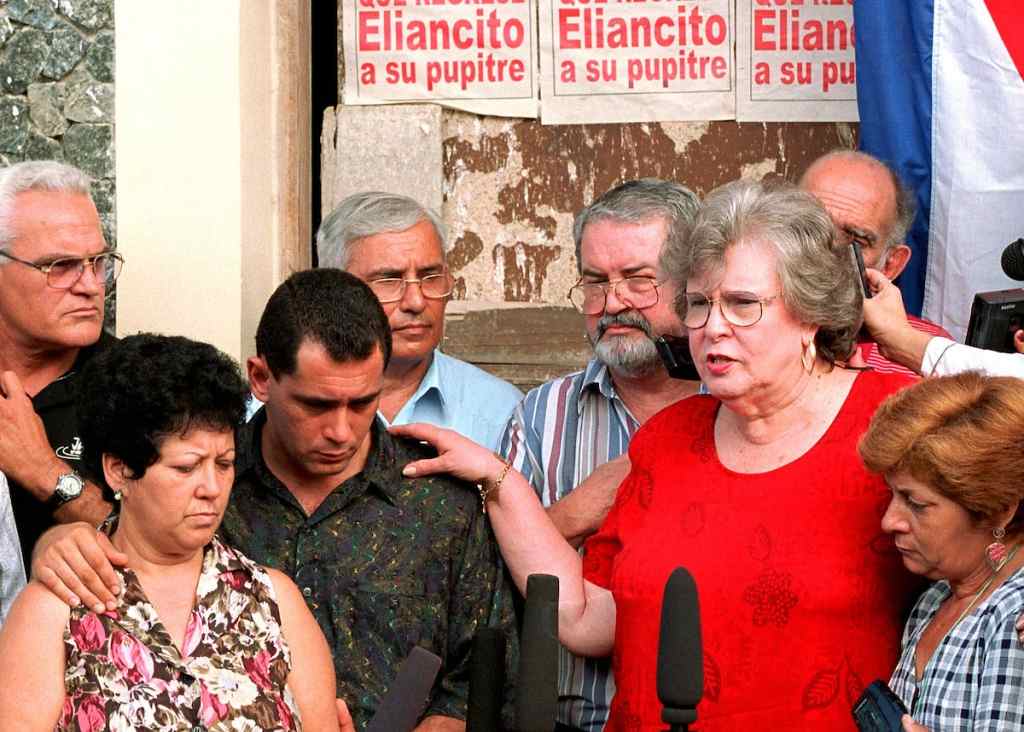
As the decades passed, she said, her connection to our nation deepened, as evidenced more clearly than ever before “during the moving story of Elián González,” the Cuban boy who, after a shipwreck in November 1999, was held hostage in Miami for several months.
“Reverend Campbell’s support was instrumental in the boy’s return to his family in Cuba (on June 28, 2000). Fidel himself referred to her as a ‘midwife’ in this process, helping to bring forth a moment of healing and truth,” the diplomat emphasized.
Torres recalled that in 1999, from Havana’s Plaza de la Revolución, Reverend Campbell declared with clarity and conviction: “For people of faith, there are no embargoes. There are no barriers.”
She added that, while the reverend welcomed the resumption of diplomatic relations between Cuba and the United States in 2015 as a significant step, she warned that the lifting of the blockade remained “the unfinished work of justice.”
Her legacy lives on in every act of solidarity, every brave word, and every bridge built between our peoples, the head of the Cuban Mission stated, hoping that “her example continues to inspire us to work for a world rooted in understanding and compassion.”
“May she rest in peace, knowing that his legacy lives on in all of us,” she concluded.
Following his death, Cuban President Miguel Díaz-Canel wrote on the social network X that Campbell “represented the noblest sentiments of solidarity of the American people.”
Cuban Foreign Minister Bruno Rodríguez also highlighted the reverend’s work as former president of the National Council of Churches of Christ in the United States and her tireless commitment to humanitarian causes.
Reverend Joan Campbell passed away on March 29 in Chagrin Falls, Ohio. She was 93.
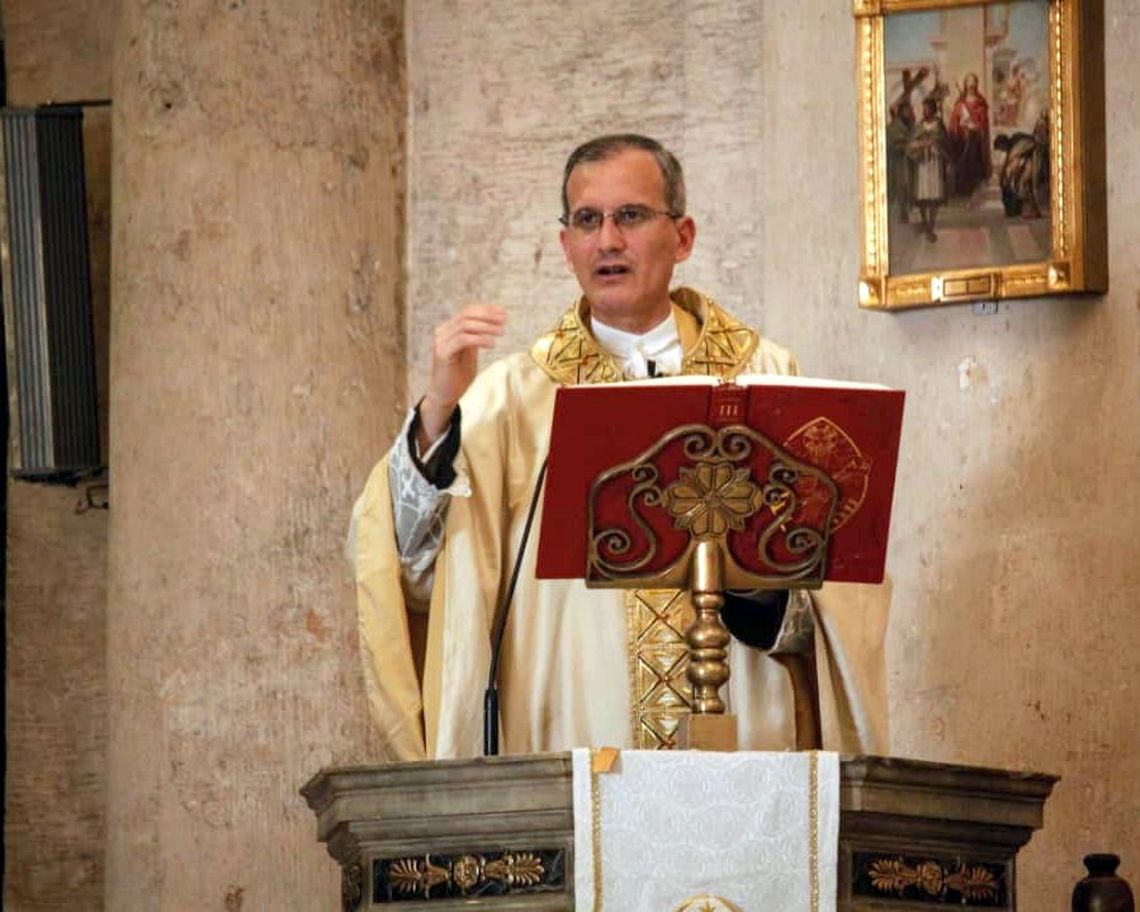
The parish priest of Havana Cathedral, one of the most experienced academic and pastoral voices in the Catholic community on the island, offers his exclusive view on the pontificate of Jorge Mario Bergoglio (2013-2025).
I was still processing the death of Pope Francis when Father Yosvany Carvajal Sureda (Havana, 1975) agreed to speak by telephone with OnCuba. Although it was predictable in the game of probabilities, the news was no less shocking and felt like a catastrophe for a world increasingly beset by misfortune.
His 38 days in the Gemelli Hospital, from which he was released on March 23, kept millions, faithful and non-faithful, on tenterhooks day and night. Then came his unexpectedly busy Vatican agenda. Just one day before his death, with a faint voice and a weary look, the Pope spoke to the faithful from St. Peter’s Basilica and offered a final Urbi et Orbi blessing. Holy Thursday found him in Rome’s main and oldest prison, Regina Coeli.
For our interlocutor, of all the popes, Francis has been the most beloved to contemporary Cubans, both as a pastor and as a statesman.
Ordained a priest at the age of 24 by Cardinal Jaime Ortega, who soon asked him to become pastor of the Cathedral of San Cristóbal de La Habana, live in the Archbishopric, and become secretary of the institution, Carvajal Sureda is the President of the Cardinal Jaime Ortega Foundation and Rector of the Father Félix Varela Cultural Center, one of the think tanks of Catholicism on the island and a facilitator of analysis and debate on decisive issues of national life.
He studied Philosophy at the Pontifical University of Mexico, and then Bachelor’s and Licentiate degrees in Theology at the Pontifical Gregorian University in Rome.
He is a professor of Philosophy and Theology at the San Carlos y San Ambrosio Seminary in Havana, and at the Father Félix Varela Institute of Ecclesiastical Studies, which he founded.
Father Yosvany Carvajal Sureda, parish priest of the Sagrario Cathedral of San Cristóbal de La Habana. Photo: Palabra Nueva.
A symbolic date
How have you experienced the news of the Holy Father’s death? Did you expect him to go beyond this health crisis?
The Pope’s health had been deteriorating for some time. We saw him walking with a cane, breathing with some difficulty, until a series of illnesses began to appear that degenerated into an acute respiratory crisis with pneumonia, from which he managed to recover.
I thought he would recover for a while longer, that his departure wasn’t so imminent. But he surprised us, and it was no less than on the Octave of Easter, that is, right on the day of the most important Christian feast, the resurrection of the Lord.
Do you perceive a symbol in this coincidence?
Yes, I believe there can be no better date than this to depart from this world to the Father’s house. Easter is the meaning of the Christian life.
Life with God, the ultimate destiny and final goal of human existence, Christ’s triumph over death, over evil, is what we Christians celebrate at Easter. The Pope died during the Easter celebrations, the most important celebrations of the Christian faith.
A redeemer
If I were to ask you for a quick portrait of Francis, where would you place the most prominent features?
Well, he was a man who marked the history of the Church, and I would say more: the history of humanity. Much should be said about Pope Francis, about his teachings, about his ethical and moral teachings, which relate not only to the personal life of a Christian in his relationship with God, but also to his social relationships, his relationship with the environment.
He was the pope who wrote an encyclical on Creation, on environmental care, Laudato Sii, a letter that set a unique guideline in the history of the papacy. I would dare say that Francis is the pope of mercy and hope, because just as John Paul II was the man of dialogue, of the relationship between faith and reason, and Benedict XVI greatly helped interpret the mysteries of faith because he was a scholar of the Church, Francis was the man of concrete gestures of fraternity, even as a political category, I would dare say.
He knew how to use something inherent to the Gospel of Jesus Christ, which is fraternity, to extend it to all spheres, not only the religious, but also the social and political; also in his dialogue with the Muslim world, with politicians, in his interpretation of the social relations of human beings.
He marked an important stage in the history of the Church as the pope of the fraternal gesture of encounter, of concern for the common good, of learning to forgive one another. That is why I describe him as the pope who spoke most about God’s mercy, which must then be reflected in mercy for one another.
I would dare to define him in this general way. I know that many more things could be said about his pontificate, but this is what I retain as the most valuable of his entire Petrine ministry.
Imprint in Cuba: against the tenements
Photo: Kaloian.
Bergoglio visited Cuba a couple of times, making the island the only country in the world with that privilege. Although you alluded to it in some way in the previous answer, what is the pastoral imprint that the Holy Father leaves among the parishioners and clergy of this country?
When he came to Cuba, the Pope taught us the art of dialogue and forgiveness. He spoke for the first time here, at the Father Félix Varela Cultural Center, to a large group of young people of all political and ideological tendencies and preferences — Catholic and non-Catholic young people, of course — and invited them to dream, to never tire of doing so.
Then he used another very important concept: the culture of encounter. Faced with a throwaway culture, as he called it, in today’s world, where the one who counts is the one who produces, the one who has, the one who consumes, the one who possesses material goods or shows them off, Francis opted for the culture of encounter, where two people who think differently can meet and forge a goal together.
He believed that we Cubans would always choose dialogue. He encouraged not only the young people present at the cultural center, but also the civil authorities. He invited us all to dialogue, because for Pope Francis, dialogue was the only way to achieve higher goals, so that we all work toward the common good, so that no one is excluded because of different ways of thinking. He even used a term that the young man who presented the speech at that moment had used, and it was the word “tenements.”
To not lock yourself inside the tenements, which can be religious, ideological, or political. These tenements make us think that only what we know in our own personal world or in our belief system exists. The Pope invited everyone to transcend them, to not lock ourselves in them and open ourselves to others in order to achieve higher goals.
I think that was the most forceful teaching of his visit to Cuba in 2015.
Francis, high politics, and the thaw between Havana and Washington
We know that Father Francis directly influenced the thaw between Cuba and the United States, which unfortunately later failed, and that this process was assisted by a diligent Cardinal Ortega. Recently, the Vatican was involved in the release of 500 prisoners, a significant number of them political prisoners, a gesture to celebrate the jubilee year that the authorities ultimately honored. How do you assess this accompaniment of Francis in Cuba’s political dynamics?
Popes — not just Francis — have always accompanied Cuba. We must remember that when John Paul II came to the island, Christmas was declared a holiday, and he said that historic phrase in the Plaza de la Revolución: may Cuba open itself to the world, and may the world open itself to Cuba with all its potential. There is a papal teaching there. Then Benedict came as a missionary of charity, and then Francis came as a missionary of hope and mercy.
All the efforts of the Holy See and the popes over these years have served to truly realize John Paul II’s desire for Cuba to open up to the world. And how is that achieved? Well, always through dialogue, agreements, and everything that helps achieve that goal.
I believe Francis continued the entire teaching. There was no break with the teaching of John Paul II or Benedict XVI. In other words, there is continuity in the papal teaching toward Cuba from these last three popes who have visited us.
And these have been very positive actions to benefit people in need, prisoners of conscience or otherwise, or political prisoners. Furthermore, through his actions, when he came to Cuba, Pope Francis left a positive message to the political authorities about the work of the Church, about what it can do for the common good, and he advised that it not be limited to the cultural, to the merely liturgical.
The Church should not be confined to the sacristies of churches. Religion and faith have a social function, one of fraternity, of reconciliation, which is the very essence of the Gospel of Jesus Christ.
Photo: Kaloian.
The legacy: Will there be a break in continuity?
There is a consensus about the great spirit of renewal, reform, and, of course, justice that Francis displayed during his papacy, and, as you said, it is unprecedented in contemporary history, except if we look back to John XXIII, who was another milestone for the Church in his social doctrine and vocation of service. Now, what is the most important legacy that the 12 years of Francis’s pontificate, as a world statesman, leave us?
Francis bequeathed us lessons that are sorely needed in every era: not to be locked inside our small worlds, which may be ideological or religious, and that we must always care for the poorest. This pope was a defender of the poor, of the voiceless, of migrants, of those who suffer great hardships to survive, and he was a defender of the family, of marriage, of family love, of tenderness.
Another very beautiful definition of Pope Francis’s pontificate is “the revolution of tenderness,” because he used that term in this way and on several occasions, so that all human beings may learn not to fear affection, tenderness, and to express it, because that is what makes us truly human and therefore similar to God.
I emphasize the capacity to love. And that transcends what can reduce human beings to ideologies, to all that confines them, limits them, and makes them incapable of dialogue, of opening up to others. In his teaching, the Pope speaks to us of love and tenderness, saying that this is the language that dignifies us all and makes us equal; it makes us brothers and sisters, regardless of tendencies, positions, ways of thinking, and so on.
Father, I don’t know if you’re familiar with the latest book by the Spanish writer Javier Cercas, who accompanied Francis on his trip to Mongolia in 2023 at the invitation of the Vatican. It’s a very recent text and difficult to label. It’s titled God’s Fool at the End of the World, and in promotional interviews the author has given, he said, perhaps anticipating the unfortunate event, that it would be very difficult for the Pope’s legacy to be overshadowed, distorted, hijacked, or simply dismantled by the powerful conservative forces inside and outside the Vatican. Do you think Francis’s legacy, in its most radical and challenging content, will survive his death?
I believe so, because those who think based on tendencies, personal tastes, and ideological options greatly reduce the essence of a pontificate. These are always human calculations, I think, and they lose sight of what is proper to faith and what is proper to the pontificate of a pope, in this case, Francis. In other words, the Pope did not want to be confined to any concept.
He was a defender of the dignity of the human person and the value of the faith that dignifies it. And he never wanted to be confined to any ideological or political concept. Many have confined him to those concepts because of his way of speaking, because he was from Latin America. After all, he was part of the theology of the people, typical of Central and South America. But he never allowed himself to be confined to any kind of political or ideological tendency within the Church. Instead, he was always the man who looked up to Christ, to faith as an absolute value.
The Church has a teaching, a social doctrine, and the Pope was one of its best exponents. We must study, we must read, we must search.
People who don’t read or don’t search, or are unaware of the teachings of the Church’s social doctrine, perhaps out of ignorance, criticize the Holy Father; but if they are well acquainted with what the Church has taught in its social doctrine throughout the centuries, in its social ethics, I am convinced they will understand Francis’s thinking much more closely.
Therefore, I believe that the value of faith will prevail over other tendencies that tend to reduce the Pope’s thinking to ideology, and then his legacy will prevail. There are some who say that truth is a child of time, and they are right in that phrase; we will see, in time, whether Pope Francis and his teachings were relevant or not.
Perhaps the world was not ready to accept his ideas, and he anticipated that future that we will rediscover. That is why I have hope that his teachings, the value of his magisterium, will not disappear, but will continue in the history and thought of the Catholic Church.
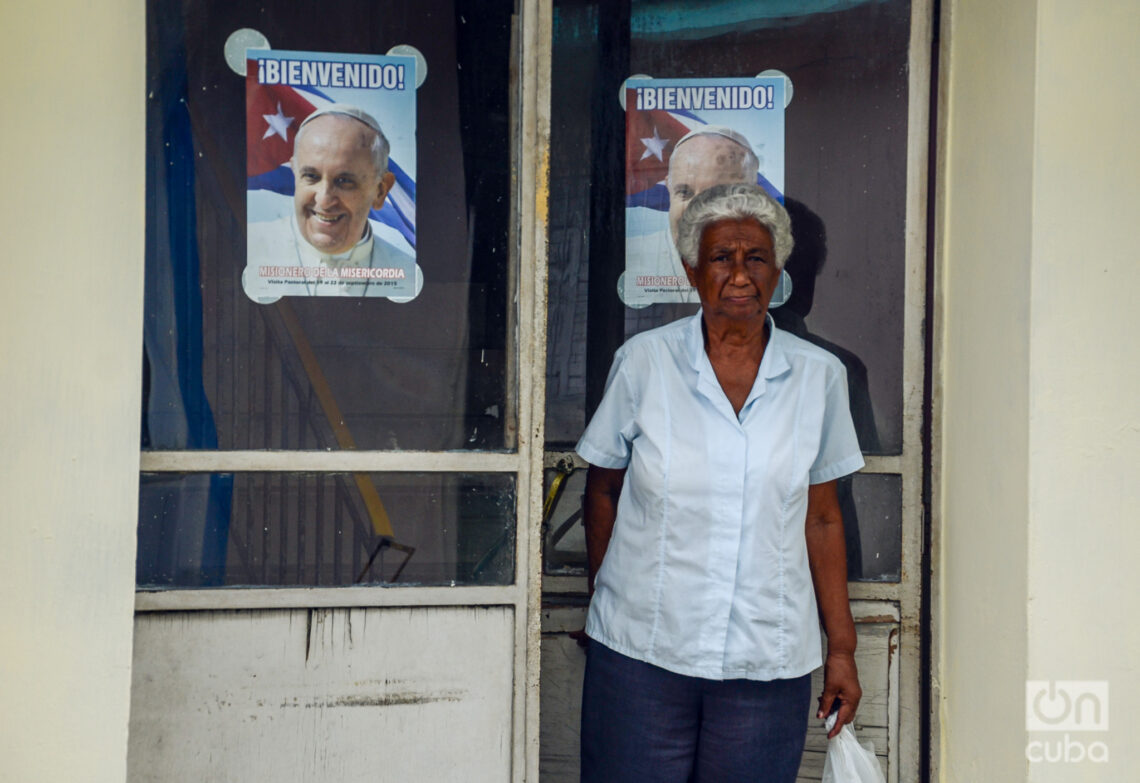
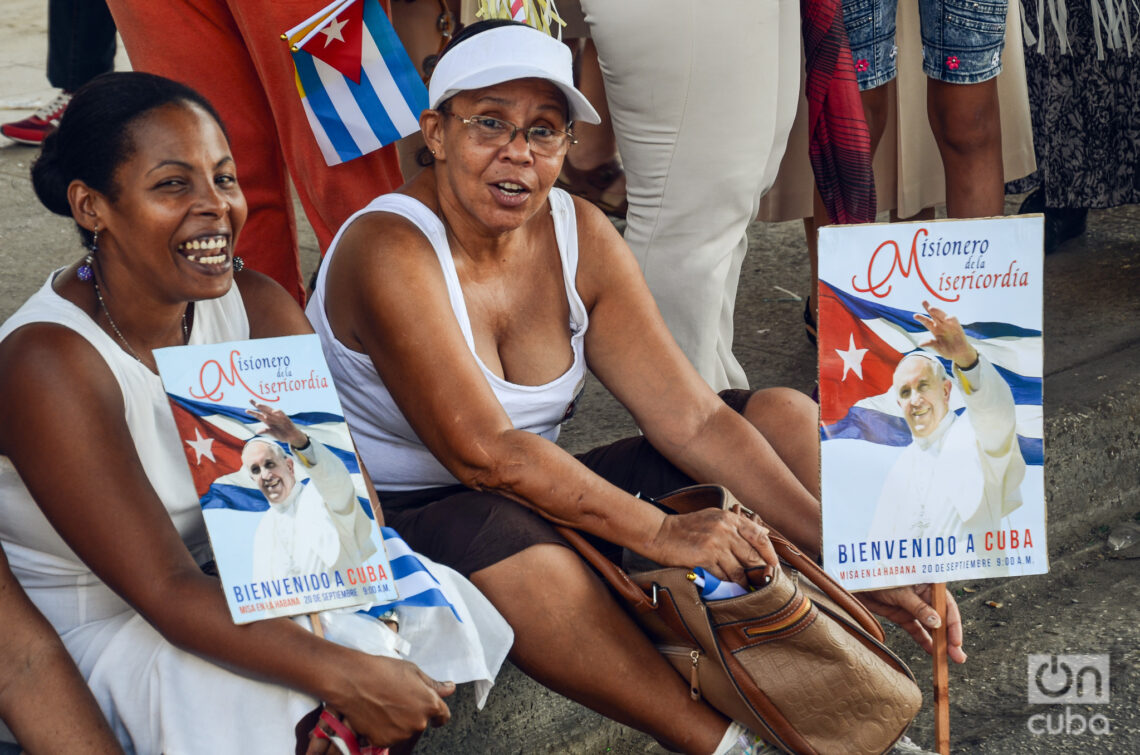
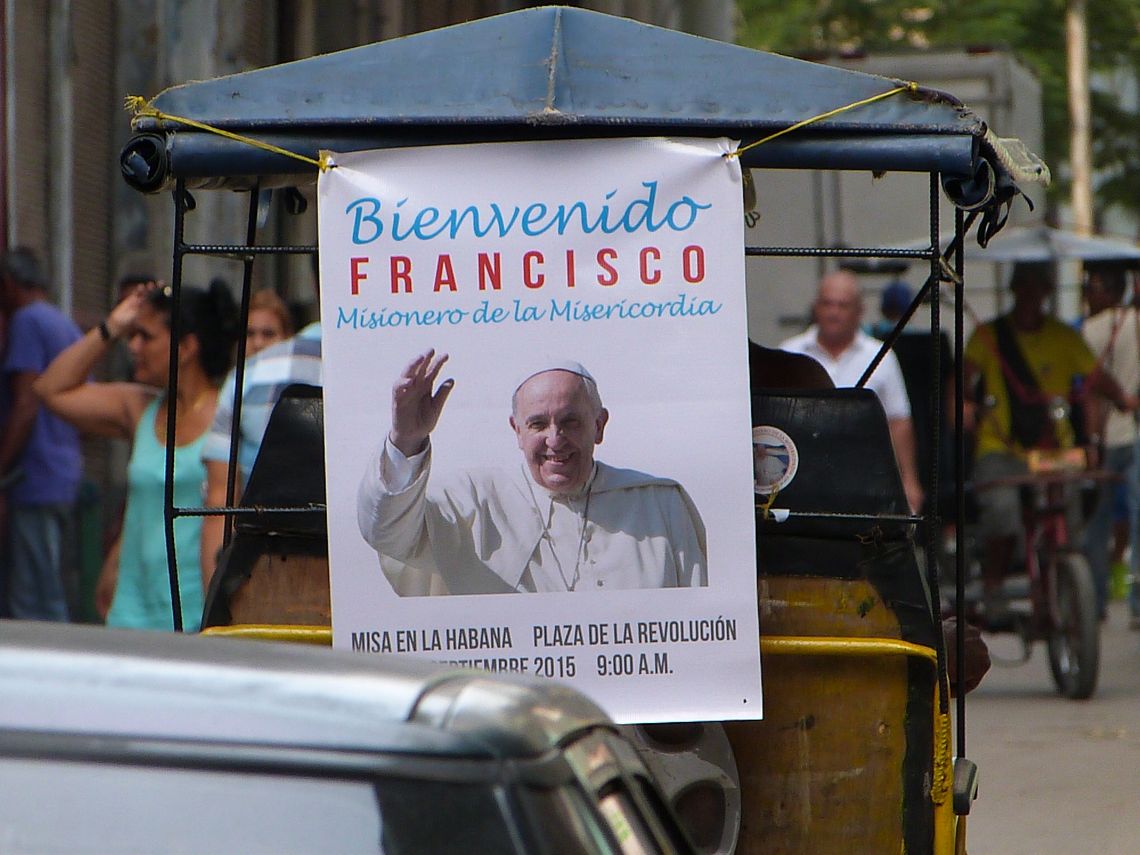
Promotional poster for Pope Francis’s Mass in Havana in 2015. Photo: AMD
Preparing the Church for a change of era
You have mentioned ethics and the need to defend the Church’s social doctrine, which Francis always sought to promote by confronting pedophilia, the opacity of finances, the concealment of the truth, the lack of justice in the face of abuses of power, indifference, pomp, and tolerance of sin. And, on the other hand, Francis fought to modernize the ancient institution, promoting the presence of women within the Curia and proposing a different perspective on homosexuality based on moral humility; vital issues for a Church that has suffered and continues to suffer dissent and emigration of parishioners to other faiths. Many are wondering what will happen to this strategic effort by Francis. Will it be taken up by the next papacy, at least in its decisive priorities?
I think Francis had to embrace not only a critical moment in the history of the Church, but of the world. He told us: “The world is facing a profound crisis,” not just the Church. In fact, the Pope insisted many times that we are not facing an era of change, but rather a change of era.
What he did with his pontificate was place the Church in that change of era. That is, what will be the role of the Church in this context? How will we make the Gospel credible in the face of a change of epoch, a change of mentality in the West? What will be the role of Christians? The Church must act with transparency; it cannot fall into earthliness. In fact, a key phrase of his pontificate was to avoid spiritual earthliness; that is, avoiding the human person of faith, whether cleric or not, associating himself with the mentality of the world and distancing himself from the solid criteria of the Gospel.
This is what Pope Francis always referred to, which is why he put the finances in order and called the lack of transparency earthly, when people don’t know the purpose of their aid to the poor and the needy; also with the issue of pedophilia in the Church; that there be transparency in the procedure and that the victim be saved; that is, that the person who has been a victim of abuse be heard, etc.
I believe that we cannot give up after this pontificate. Not ever. In other words, we cannot go back; Francis has already opened a door to how the Church should face all circumstances in a time that is completely changing.
I dare say more: everything he did to purify the evils that accumulate over the years, with stagnation, with habits, prepared us to go out into the world without fear. He even said that a Christian, a cleric, must get his hands dirty in the world, but by doing good, never participating in evil or allowing himself to be dragged down by earthliness, but rather getting his hands dirty in the sense of showing solidarity with the poor, with just causes, with the common good, with service to the neediest, with those without a voice or a vote.
In that sense, Pope Francis prepared the Church for that future, for that scenario in which it constitutes a small flock but, I dare say, significant, as Benedict XVI said.
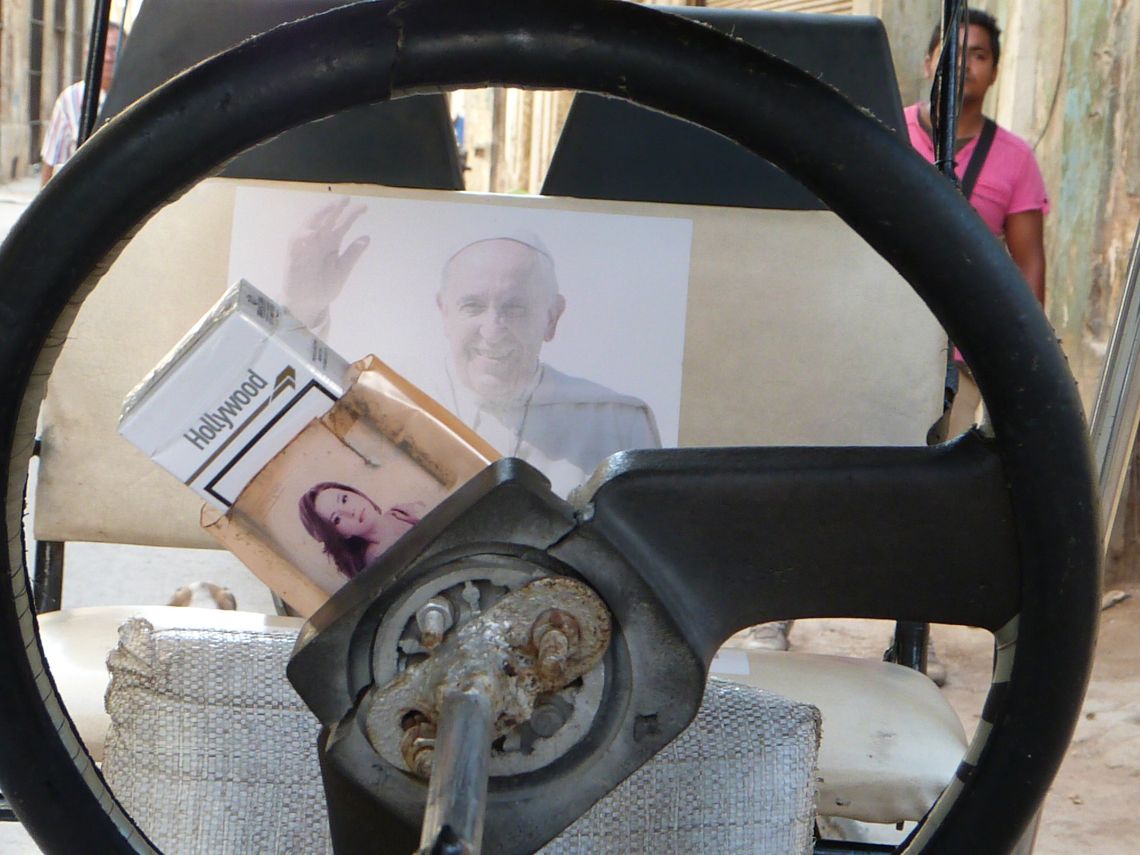
Image of Francis on the back of a pedicab in Havana, September 2015. Photo: AMD
A Franciscan petitioner
Bergoglio was a truly empathetic and sympathetic man, both to laypeople and believers, atheists, and I don’t know if to the powerful as well…. The fact is, he always asked for one thing: that people pray for him, and he said it in a tone tinged with ambiguity, somewhere between grace and drama. So, you, who like Francis are a priest, in this case the parish priest of Havana Cathedral, will you ask your faithful to pray for Francis’s soul?
Yes, he always asked for that since he stepped out onto the balcony of St. Peter’s when he was elected pope in 2013. That was the first gesture, a very eloquent gesture, which he asked for with his head bowed, as a sign of humility, in that square packed with faithful. And he did so in each of his speeches, his addresses: “Do not forget to pray for me,” because a pope, a priest, a bishop, anyone who holds any role of authority in the Church or of service, is, above all, a child of God and in need of God and of their brothers and sisters. No one is saved alone. Francis showed us this sense of the need for others with great humility.
I believe we have learned to pray for Francis, I dare say, even the most atheistic. In Havana, he also used the phrase “Pray for me” and added: “…and if you don’t know how to pray or don’t believe in God, at least wish me good things.” I will remember that beautiful phrase of his.
Praying is a theological, religious term, but for those who don’t live in that world, Francis also knew how to use a word to be understood. He made himself understood by believers and nonbelievers alike, and that atheistic world also understood him when he asked them to “wish me good things.”
I believe that today all people of good faith, believers or not, wish Pope Francis well, his eternal rest, and that his legacy, his teachings, and all the good he did may never be lost, and that he may always remain in the hearts of all of us who were able to experience his pontificate.
Cuba has more than 24,000 doctors working in 56 countries, with the missions providing healthcare across the Caribbean [File: Alexandre Meneghini/Reuters]
Cuban medical missions provide crucial support to several Caribbean healthcare systems, especially in times of crisis.
Caribbean leaders have hit back at a threat issued by the United States government to cancel visas for anyone working with or supporting Cuban medical facilities, citing allegations of forced labour and claiming these missions “enrich the Cuban regime”.
Cuban medical missions, which provide doctors, nurses and other medical staff as well as medical facilities, are critical to healthcare systems in the Caribbean.
So how have Caribbean nations responded to this threat and what would it mean for healthcare there?
Why is the US government taking aim at Cuba’s medical programme?
The targeting of Cuban medical missions is not new for US President Donald Trump’s administration. During his first term as president of the US from 2017 to 2021, his administration imposed visa sanctions on Cuba’s global medical programme. His government claimed these missions amounted to “human trafficking” because, it said, Cuban doctors are reportedly underpaid.
This time around, US Secretary of State Marco Rubio has announced restrictions on visas for government officials in Cuba and anyone else, globally, that the US deems to be “complicit” with Cuba’s foreign medical programmes. The State Department said the restrictions would extend to “current and former officials” as well as the “immediate family of such persons”.
Rubio called the Cuban medical programme a form of “forced labour” and the government has warned that Caribbean nations participating in these programmes could face visa restrictions as well as potential trade repercussions.
However, no concrete evidence has been provided to support these claims.
The US alleges that Cuba’s government exploits its medical professionals by keeping a large portion of their wages and restricting their freedoms. While some Cuban doctors have defected and criticised the conditions of the programme, many others say they willingly participate.
Tamarys Bahamonde, an economist at the US-based Center for Latin American and Latino Studies, said this issue is “complex” and should centre the voices of the doctors themselves.
“Regardless of whether Cuban doctors qualify as forced labour, we do know that they do not negotiate their own contracts or working conditions,” she said.
“Cuba retains a significant portion of their salaries, and there are testimonies from doctors confirming restrictions on movement, confiscation of passports by Cuban authorities in host countries, and limitations on bringing their families along.”
At the same time, Bahamonde reiterated the crucial role that Cuban medical professionals play, especially when it comes to providing healthcare services to underserved communities.
“During my time working for a foreign embassy in Havana, I saw firsthand how grateful many countries are for Cuban doctors and the benefits they bring to isolated areas – places that previously had little to no medical access,” she said.
Can Trump’s administration legally do this?
Legally, Trump has broad authority over visa policy through the State Department. The US government can impose restrictions without needing approval from Congress by citing national security or foreign policy concerns.
Affected nations can push back through diplomatic or legal channels, but Bahamonde pointed out that the US targeting of Cuban medical missions is not exclusive to the Trump administration.
“The proposed visa restriction is actually an expansion of a policy initiated by the Biden administration. In 2024, President Biden signed a spending bill that included sanctions against officials from third countries that contracted Cuba’s medical services,” Bahamonde told Al Jazeera.
“That same year, his administration also accused Cuba of profiting from its medical professionals.”
She added that opposition to Cuban medical missions is “bipartisan”, citing a 2024 resolution led by Republican Congressman Mark Green, calling for visa revocations against countries hiring Cuban doctors.
“The sentiment regarding Cuban medical missions is fairly consistent across party lines. Whether or not President Trump has unilateral authority to impose these visa restrictions, I wouldn’t expect significant resistance to them,” she said.
This suggests that, regardless of who is in power, Caribbean nations will likely continue to face diplomatic pressure over their reliance on Cuban medical professionals, she said.
How have Caribbean leaders responded?
Some Caribbean leaders have declared they will give up their right to US visas if it means keeping Cuban medical missions.
This week, Barbados’s Prime Minister Mia Mottley gave a fiery address to parliament, calling the US stance “unfair and unjustified”.
“We could not get through the pandemic without the Cuban nurses and the Cuban doctors,” she said.
Trinidad and Tobago’s prime minister, Keith Rowley, warned that US interference in Caribbean healthcare decisions was unacceptable.
“Out of the blue now, we have been called human traffickers because we hire technical people who we pay top dollar,” Rowley said, adding that he was prepared to lose his US visa.
Similarly, Saint Vincent and the Grenadines Prime Minister Ralph Gonsalves highlighted the direct effect Cuban doctors have on patient care.
“If the Cubans are not there, we may not be able to run the service,” he said. “I will prefer to lose my visa than to have 60 poor and working people die.”
And last week, Jamaican Foreign Minister Kamina Johnson Smith told reporters her government views Cuban medics as vital.
“Their presence here is of importance to our healthcare system,” she said. There are 400 Cuban doctors, nurses and medical technicians currently working in the country.
In a post on X, Bahamian Foreign Minister Fred Mitchell vouched for the Cuban programme, saying his government “follows all international best practices in the recruitment of labour”.
Hugh Todd, Guyana’s foreign minister, told the AP news service on Tuesday that 15 foreign ministers from the Caribbean Community (CARICOM) had met with Mauricio Claver-Carone, US special envoy for Latin America, in Washington, DC, to voice their opposition and demand clarity on US policy.
“The US is a strategic partner to CARICOM, but this very important issue has to be dealt with at the level of heads of government,” he said.
Why are Cuban medical missions critical to Caribbean healthcare, and what happens if they are cut?
Cuba has more than 24,000 doctors working in 56 countries worldwide, with the missions particularly boosting healthcare across the Caribbean, especially in impoverished nations facing deep economic crises and with limited medical services.
“The impact on Caribbean nations will depend on how essential Cuban doctors are to their healthcare systems and how difficult they would be to replace in the short term without significantly affecting the communities that rely on them,” Bahamonde said.
For many Caribbean nations, the short-term consequences could be devastating. Training local doctors takes years, and trained professionals often migrate to other countries, leaving behind a persistent shortage.
Cuba helps fill this gap by sending thousands of medical personnel that are much more affordable to locals than private healthcare options, Bahamonde explained. These missions provide primary care, emergency response teams and specialists in fields that are often underrepresented in Caribbean hospitals.
They have also played a prominent role when it comes to responding to regional disasters, such as hurricanes, earthquakes and public health emergencies. Cuban doctors were instrumental in combating the cholera outbreak in Haiti following a devastating earthquake in 2010, and in assisting Caribbean nations during the COVID-19 pandemic.
Which other countries rely on Cuban medical missions?
Cuba doesn’t just send doctors to the Caribbean; it has medical missions all over the world. Some key examples include:
Venezuela is one of the largest recipients of Cuban doctors, with thousands working in community clinics.
Brazil had a major Cuban medical programme until 2018, when Cuba recalled 8,000 doctors due to a diplomatic dispute.
Italy received Cuban doctors during the COVID-19 pandemic to help overwhelmed hospitals in some of its hardest-hit regions.
South Africa hosts Cuban medical professionals in rural areas where there are doctor shortages.
https://imasdk.googleapis.com/js/core/bridge3.692.0_en.html#fid=goog_198300407Play Video
It’s almost evening in Havana. I hurriedly pass by the crowd of cars parked around the entrance to the Cuban Art Building of the National Museum of Fine Arts. The magical moment that U.S. singer Laurin Talese is about to star in awaits me.
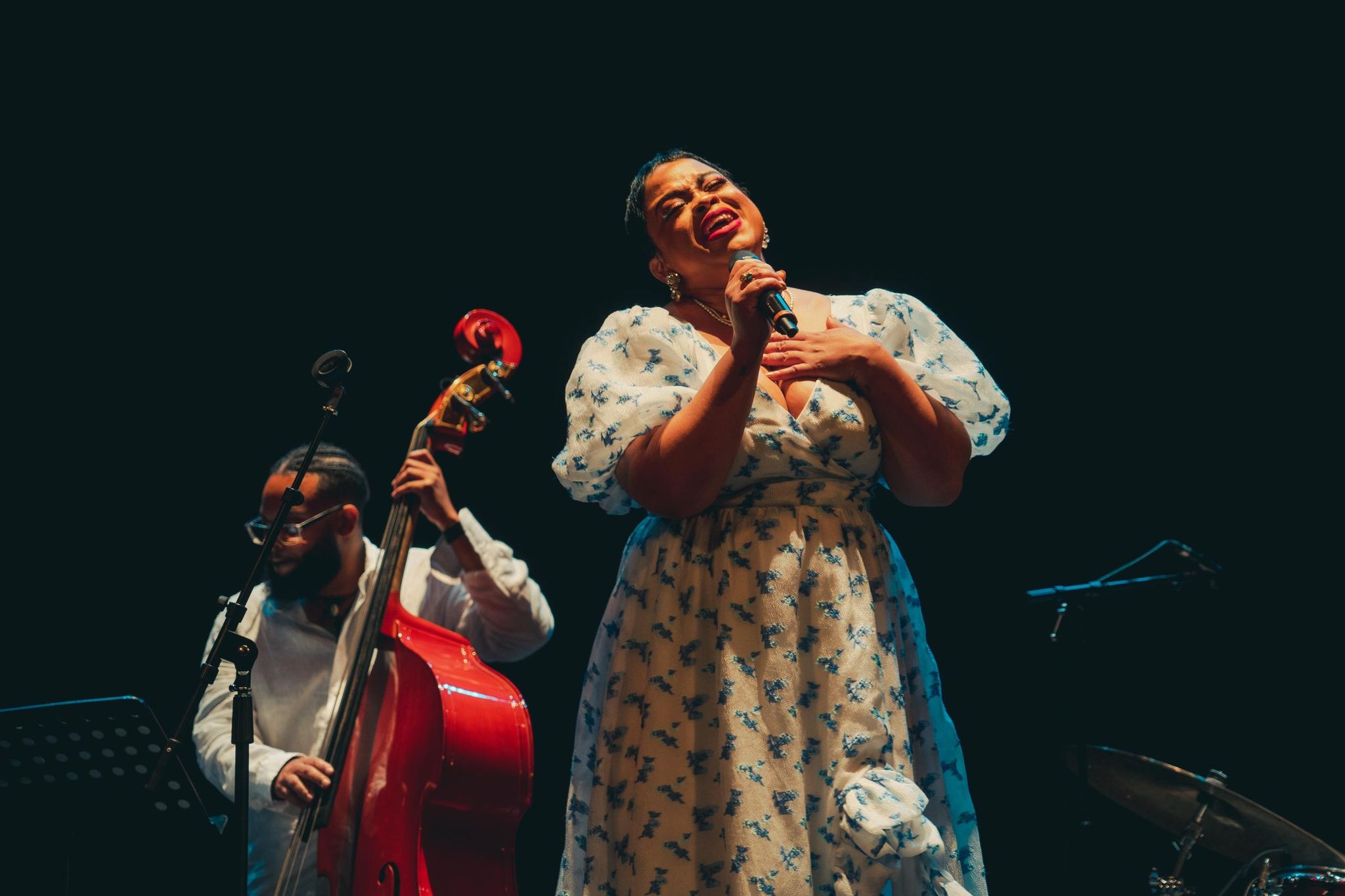
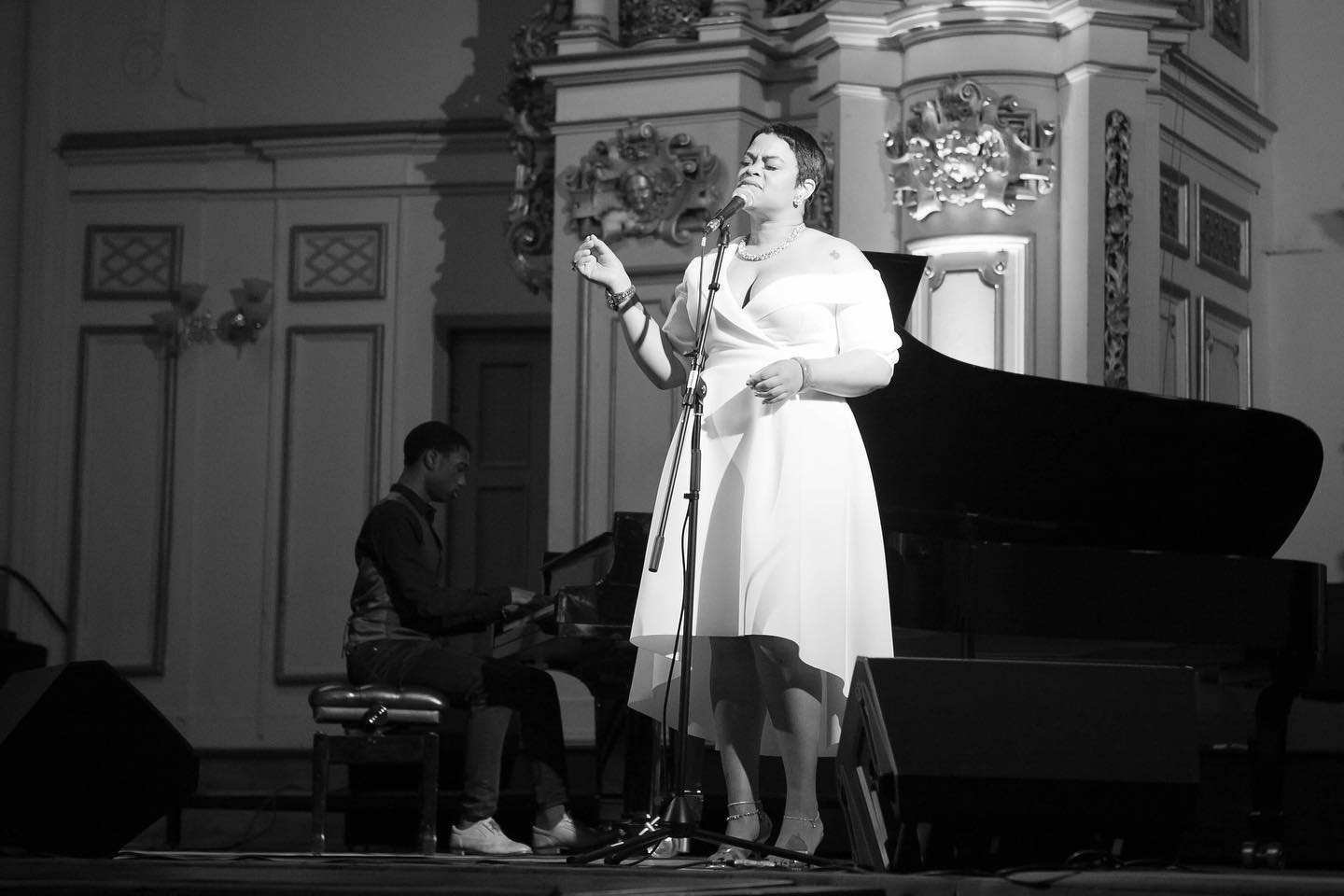
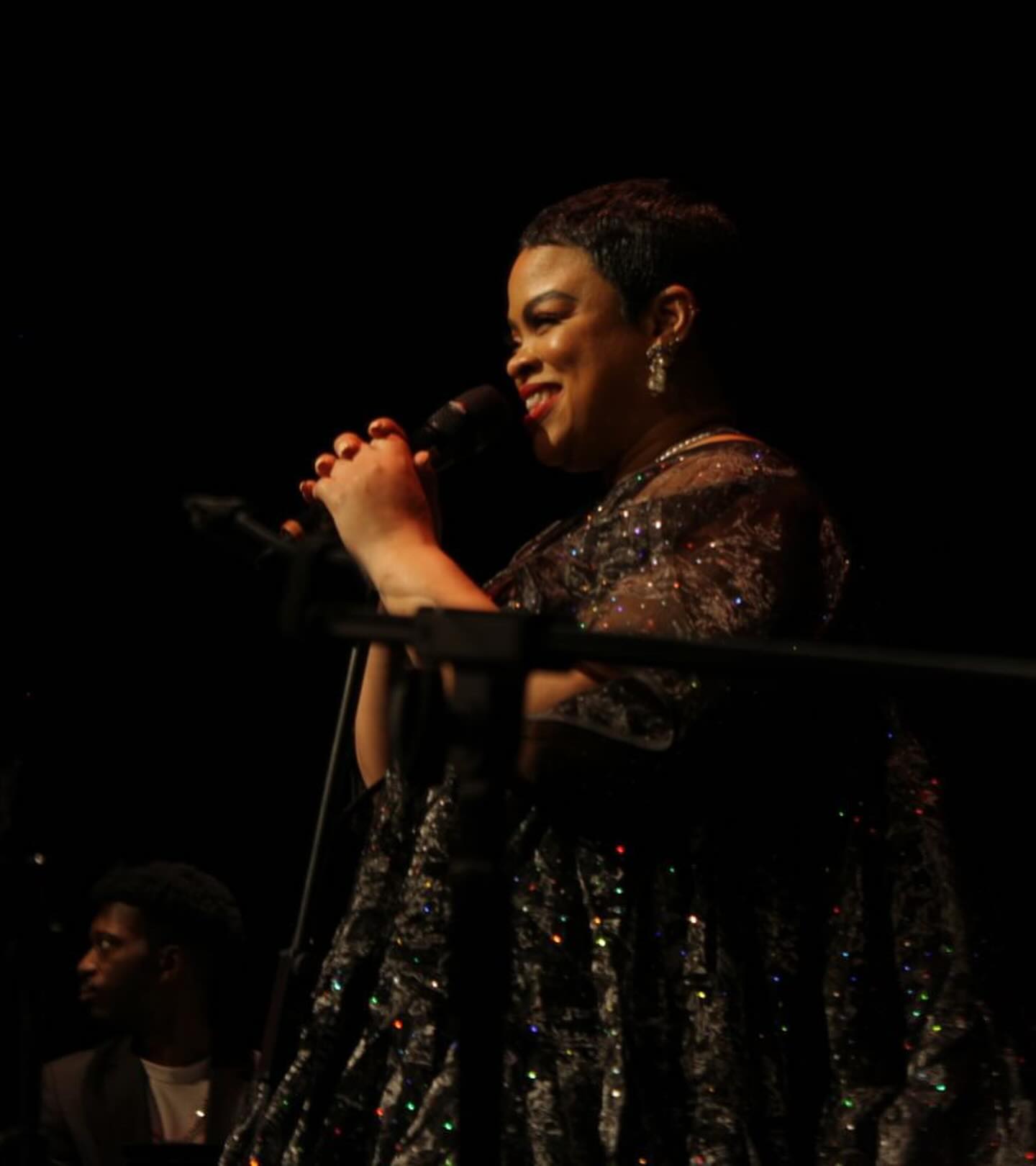
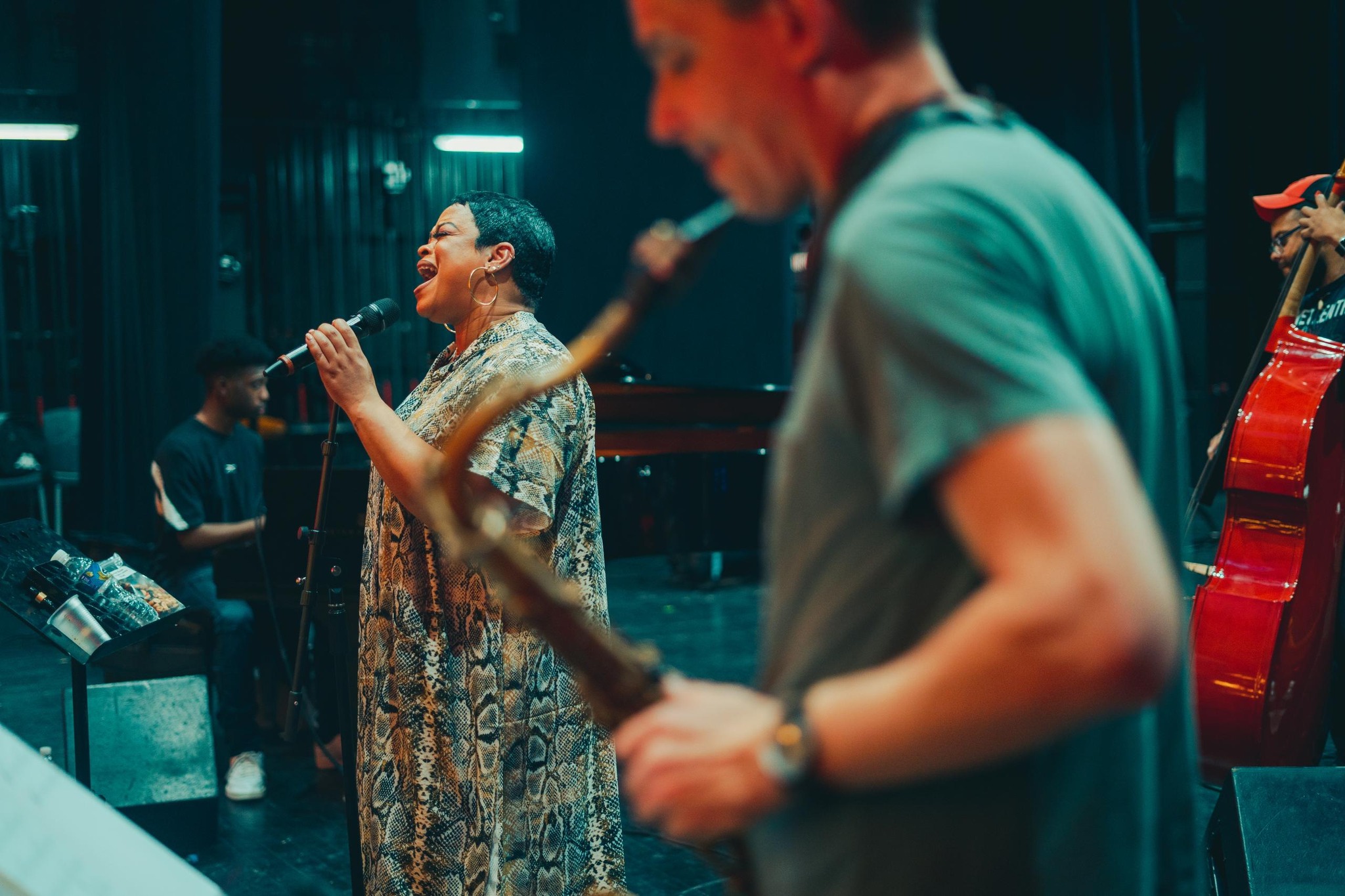
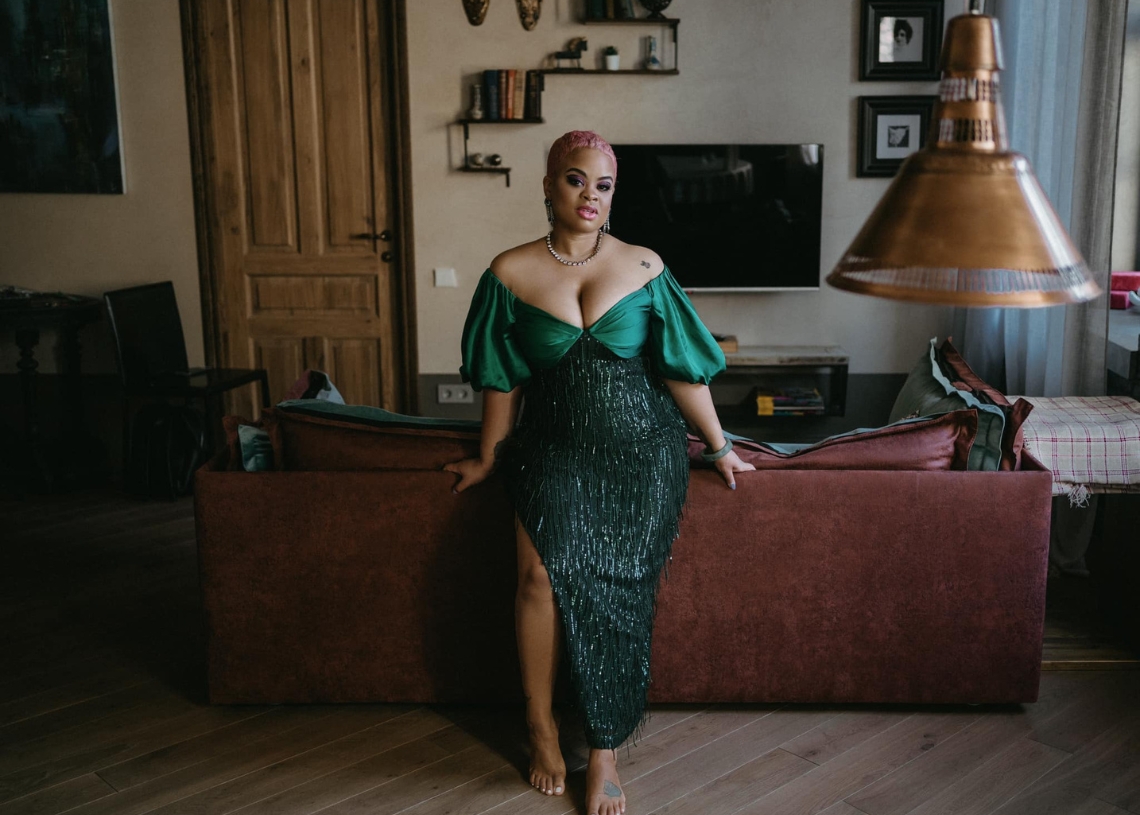
The first days of April in Havana were impregnated, for those of us who lived it, with the energy of this vocalist and composer from Cleveland, Ohio, making her debut on the Cuban stages with two concerts, one at the Teatro Martí and the other at the Museum of Fine Arts room.
A year ago, Tonya Boyd-Cannon, a contemporary New Orleans jazz pianist and composer, came. She was followed by J. Hoard and his troupe of extremely talented friends; then it was Big Freedia, who arrived with a masterful dose of bounce on the first of other visits that followed — her participation in Getting Funky Havana, earlier this year, produced by Cimafunk and Trombone Shorty, was extraordinary.
In early February, Fábrica de Arte Cubano vibrated with the music of Robert Glasper (that lasted until 3 in the morning and we would have continued until dawn if Glasper had proposed it).
Without a doubt, they are examples of the success of the collaboration between the United States Embassy in Cuba and the Cuban Institute of Music.
The most recent planning made possible the visit of Talese (Cleveland, 1982), cultural ambassador of American Music Abroad, a program of touring performances for musicians in bands, choirs, musical theaters, and orchestras of high schools, universities, and adults. Her work promoting jazz worldwide has taken her to several countries such as Montenegro, Ukraine, and Poland. She landed in Cuba to celebrate Women’s Month (March), during the first days of April.
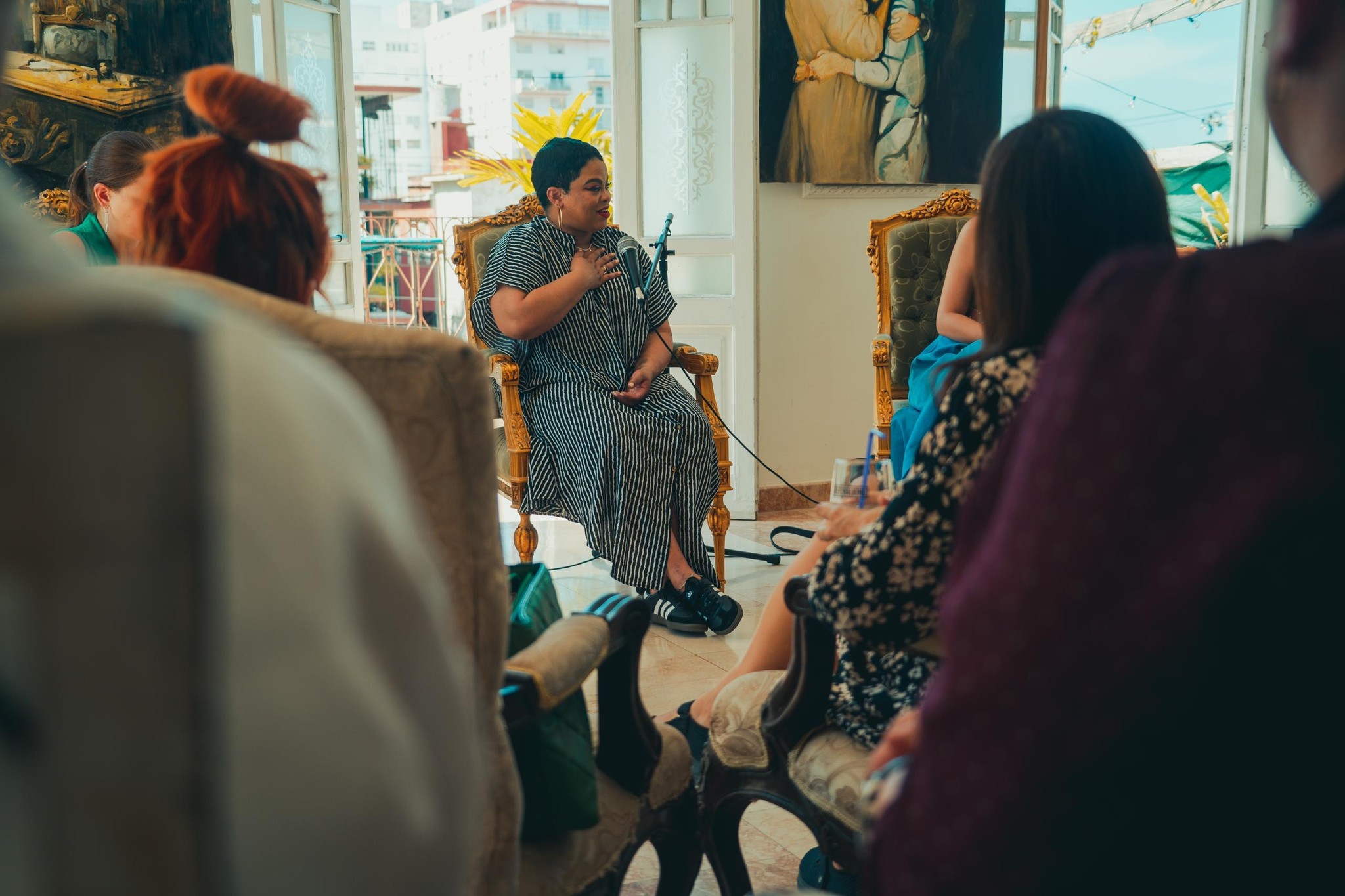
The performer, winner of the Sarah Vaughan International Jazz Vocal Competition in 2018, met with women from different spaces of Cuban civil society with whom, according to the U.S. embassy, “she spoke about the importance of breaking stereotypes and succeeding in any field as a woman. She also spoke about the value of being an entrepreneur and how entrepreneurship contributes to the empowerment of women.”
She visited the University of the Arts (ISA) and shared with some of its students, another fruitful opportunity, a prelude to two memorable concerts.
Laurin Talese in Havana. Photo: United States Embassy in Cuba/Facebook.
The electrifying evening, in the right place
“Only your empty seat remains. People are sitting even on the stairs in the hallway. Hurry up,” I could read in a WhatsApp message at the exact moment I crossed Zulueta Street and arrived at the museum entrance. I confess that I have the strange habit of sometimes forgetting the city in which I live, with its daily transportation problems. We luckily don’t live in London and this Laurin concert was 15 minutes late.
As soon as I took my seat, she began singing — a level of precision rarely seen, amid the delays. With an almost perfect command of Spanish in her interpretation, and an American accent revealing her origin, “Bésame mucho” was heard, a song straight to the heart of her audience, an act of complicity that was immediately reciprocated.
“I think we have some singers around here. They sound too good,” she joked and launched into a dynamic version of “Meditation,” by Antonio Carlos Jobim, a pulsating interpretation of the piece that the Brazilian recorded back in the day with Frank Sinatra.
The first two numbers of the evening pass like a breeze and on stage, the musicians display an exquisite symbiosis of classic jazz to support the performer. Throughout the night, Talese’s traveling companions demonstrate a venerable talent: Julius Rodríguez on piano, Anwar Marshall on drums, John Ellis on saxophone and Romeir Méndez on bass.
Laurin is a very good conversationalist, sweet and sparkling. She has something to say and knows how to do it, that’s why she doesn’t limit herself to the mere act of song; she talks about love, of caresses shared and also denied, of unspeakable secrets, of ideal people who turned out to be not so ideal and of the cold that comes after an unexpected separation.
“Those are the worst breakups because no one is upset with anyone; you only know it’s not the right person. It seems like, suddenly, you are breaking up for no reason, but you have all the reasons in the world and it feels like when the weather is going to change and the last leaf of the tree falls. You feel very cold outside and you know it will snow soon,” the artist stated in a somewhat pastoral style, before singing “Winter,” as a warm hug for her audience. It is the first of several of her own songs, presented in the first part of the recital. They make up her debut album Gorgeous Chaos (2016).
Laurin is the daughter of the wonderful chaos of human emotions, from which she gets her songs. “Winter” was recorded with Robert Glasper for her first EP An Invitation (2015), where she included “Forgive and Forget” and “This Love,” along with multi-instrumentalist Adam Blackstone. Precisely, Blackstone included in his debut album Legacy (2022) the song “My Winter,” a version of Talese’s song, with her and Glasper. Every piece is worth listening to.
Gorgeous Chaos is a journey of twelve songs, from and towards love, through the voice of this young artist who connects us with situations that we have all experienced at some point, whether in a relationship, with our family or with friends. The little more than 250 people who were at this concert at the Museum of Fine Arts learned about all this love, just as the attendees at the Teatro Martí experienced it the night before, despite the rainy day.
Laurin Talese at the Teatro Martí. Photo: United States Embassy in Cuba.
Laurin Talese dominated the space in a very natural and sensitive way. This may explain the success of the show where she sings and acts, Lady Day at Emerson’s Bar & Grill, written by Lanie Robertson, a text that narrates some events in Billie Holiday’s life. The eternal Lady Day and Sarah Vaughan — of course? — are two unavoidable references in the work of this young singer and it is easy to perceive it in her performance.
Photo: Taken from the vocalist’s Facebook profile.
Without warning, winter turned into spring and we were faced with an exquisite version of “Flor de Lis,” a song by Brazilian singer-songwriter Djavan; at that moment, when Julius Rodríguez took the center of attention with pure piano, in the midst of that ecstasy and the swaying of Laurin’s starry black dress, she seemed to levitate and take us with her to some dimension of those from which we would like to never return. A good time.
Laurin Talese at the Museum of Fine Arts in Havana. Photo: Facebook profile of the vocalist.
The waters opened and the interpreter plunged us into a sea of memories and experiences. Supported by a video art that reflected the waves of the sea, while images of the artist’s relatives (her mother, grandmothers, aunts, her ancestors) followed one another, the second part of the concert came as a moment reserved for the unprecedented.
Museum of Living Stories is the name of Talese’s second album, about to see the light. In the words of the performer, “they are songs born from different experiences that I have heard, some that I witnessed up close and others that I observed from afar. It’s about observing, searching and feeling gratitude for the people who tell these stories.”
If Gorgeous Chaos is a song about love, Museum… is a song about life, with all its diversity, its contrasts and that human capacity to treasure memories to perhaps turn them into art one day. It has heartbreaking songs like “Weekend Paradis,” the story of a man who couldn’t stand the pressure of work and family, so he took drugs on the weekends.
Rain Song, with all its symbolism, was a song that Laurin wrote in the middle of the night, during the days of the COVID-19 pandemic. She says that when she woke up one morning, she had seen images that she had been trying to avoid all week. She watched at the exact moment she saw a man’s life taken from him.
“It broke me and it was an image that haunted me for a long time,” she says. That man was George Floyd, the black U.S. citizen who died, a victim of police brutality, when officer Derek Chauvin’s knee pressed on his neck for more than five minutes, on May 25, 2020, unleashing a broad social protest movement known as Black Lives Metter. Rain Song is a tribute to all that struggle and the historical suffering of an entire community.
Museum of Living Stories proposes the act of contemplation as learning, also as reflection and reverence. When Laurin Talese went for long walks through the Wissahickon Forest, in Philadelphia, the city where she currently lives, she felt it like a refuge and a point of escape during the pandemic. “There was so much chaos, so much injustice, so much to do and at the same time so much anxiety. So I went to the forest to sing; I’m sure many people were wondering who that lady was. They must have listened to me, because I sang out loud to nature, all the time. The forest became my church and I wrote this song in the middle of the silence.” “Quiet” is a jump in free fall, a body suspended in balanced delight that leaves the audience’s spirits in a state of grace.
“I have more songs for you,” Laurin warned almost at the end of the evening and the voice of a child was heard, who from a vague point in the theater responded “Yeahh!” resounding that unleashed complicity among all of us who were there.
The artist then told us about her friend Erica, with whom she composed “Anything,” born of mutual support and her unconditional friendship — with her she also wrote “Forgive and Forget.” She told us about the women in her family who have helped her get to where she is today: the fundamental women in her life are in “Centerpiece.”
Laurin Talese in Havana. Photo: United States Embassy in Cuba.
The core of this entire presentation was in sincerity, the spirit of communion of an artist armed with truths, through good music, and an audience that knew how to see them, hear them, feel them. “They are a very beautiful audience. Their energy is electric,” she said before presenting us with her last song, “and we can feel the love from the stage. Thank you for sending us back home with such a beautiful feeling; it means much more than you think.” She then dedicated the song “Soothsayers” (Prophets) to her aunts and we, in the audience, felt like we were the prophets who had discovered this giant artist.
Laurin Talese. Photo: Taken from the vocalist’s Facebook profile.
The feeling that comes from the precise moment when good concerts end is very comforting. In a room like the Museum of Fine Arts’, it is known, the experience is more pleasant, closer. It is the right space for a right artist, something like “the wrong place for the right people” that was the Café Society in New York’s Greenwich Village for Billie Holiday, many other jazz greats and everyone who was lucky enough to see them, of course, sharing stories, good music; living, despite everything.
Kingstown, April 25 (Prensa Latina) The president of the Saint Vincent and the Grenadines Football Federation, Otashie Spring, today praised the level of sports cooperation with Cuba and expressed his gratitude for the assistance they receive.
In a meeting with Cuban ambassador Ernesto Rodríguez Etcheverry, the San Vicente official suggested strengthening cooperation projects in soccer, where both nations have potential in the field.
Spring acknowledged the existing exchange between the two nations in this sport, which has included friendly matches in the past, and proposed resuming this practice, which strengthens the preparation of athletes and coaches.
The Cuban diplomat, for his part, confirmed his country’s willingness to work together to increase cooperation and suggested the possibility of organizing some friendly matches between the two teams before the end of 2025.
Saint Vincent and the Grenadines and Cuba have maintained significant cooperation in the sports field, primarily through athlete and coach training programs and the work of Cuban experts to improve the performance of local athletes.
The Cuban government offered sports scholarships to young Vincentians to study at the International School of Physical Education and Sports in Havana.
These programs also included training in sports science, sports medicine, and training methodologies.
Both countries have collaborated within the framework of organizations such as the Bolivarian Alliance for the Peoples of Our America (ALBA), where sport is a component of cooperation.
Cultural exchange between Cuba and the United States has been one of the Trump administration’s first targets regarding the island.
In August 2024, the U.S. Embassy in Havana reactivated the possibility of processing work and exchange visas, including those for international cultural exchange programs. In February of this year, a month after Trump took office, his administration returned dozens of passports without a visa because they had been processed by Cuban government agencies.
At the time, Cuban Deputy Foreign Minister Carlos Fernández de Cossío told the AP that with this gesture, the U.S. government “announced that it is suspending the application process for a group of visa categories used for government officials and their agencies,” asserting that the decision “directly affected bilateral exchanges that were taking place in areas of mutual interest and benefit to the peoples of Cuba and the United States, such as culture, health, education, science, and sports.”
This measure not only compromises the ability of Cubans to visit the United States for activities in these areas. Two weeks ago, the federal government canceled a trip to the island for a jazz band from a Vancouver, Washington, school. The Office of Foreign Assets Control informed them in a letter they received as they were preparing for their flight that their trip “would be incompatible with the policy of the United States government.”
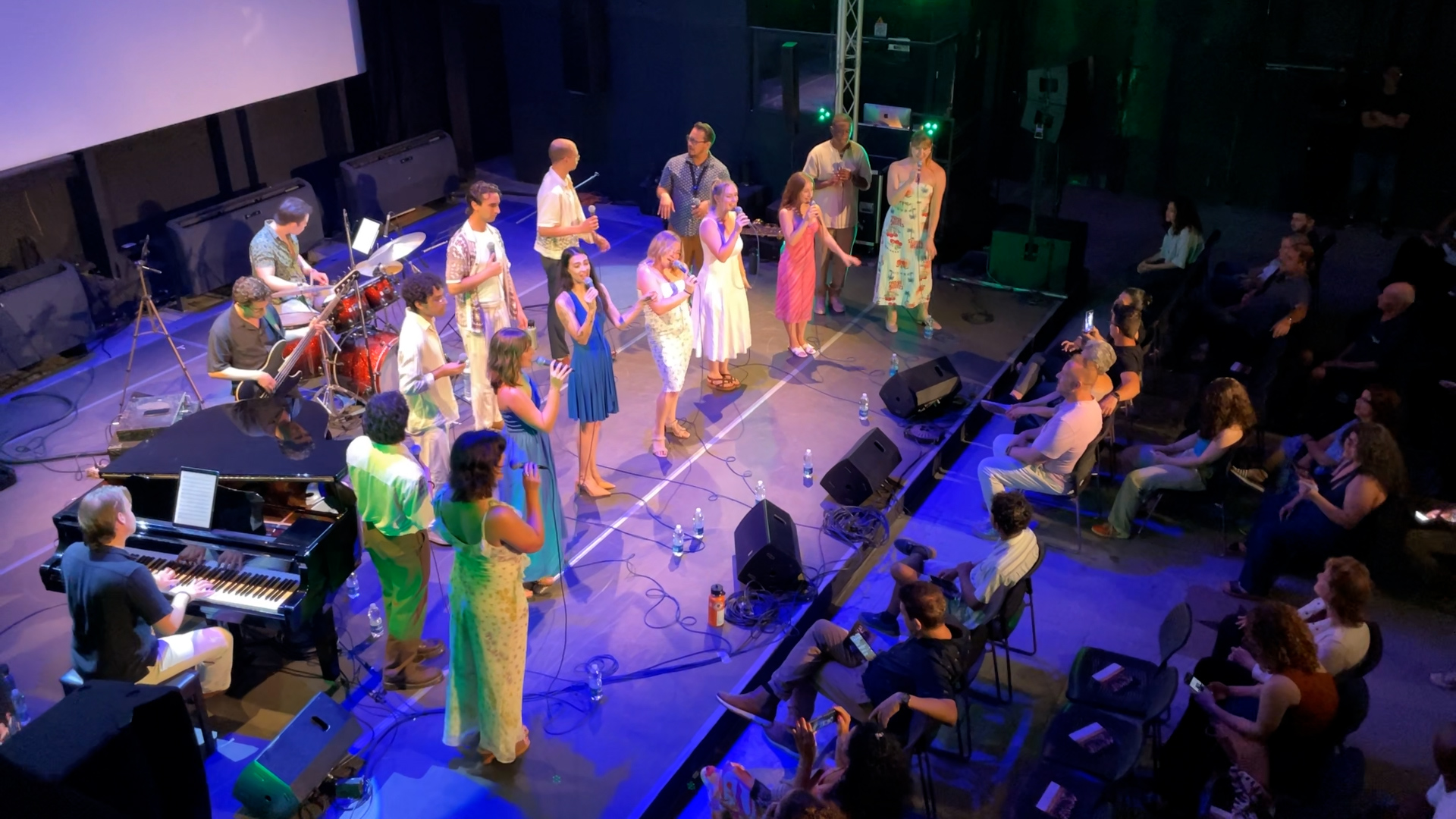
In this context, the fact that Pacific Standard Time, the main jazz choir of the Bob Cole Conservatory of Music at California State University, Long Beach, has managed to reach Cuba and carry out a program of performances and exchanges with Cuban artists and music students, has been something of an oasis in the desert.
Making the visit a reality was in the hands of Royce Smith, Dean of the College of Arts at the university, for whom cultural exchanges have become a life goal for more than a decade.
“I think my interest began with the ban. When someone tells you that you don’t have the right to go somewhere, it sparks interest; it has the opposite effect on the soul of a creative and curious person,” Smith told OnCuba.
A week to change perspectives
“I really feel like my perspective on life has changed,” sums up her experience Maggie Robertson, one of the singers of Pacific Standard Time, made up of 13 voices, a musical base with bass, piano, and drums, and directed by maestro Christine Guter.
During their week on the island, the group gave four concerts in very diverse venues, a program of performances designed to reach diverse audiences: the Hotel Claxon, the University of the Arts, the National Museum of Fine Arts Theater, and the Fábrica de Arte Cubano.
Section 3 of the Fábrica de Arte Cubano was the venue for Pacific Standard Time’s last concert in Cuba. Photo: Lied Lorain.
The high quality of their musical proposal is unquestionable and is backed by 14 consecutive years of winning the DownBeat Student Music Awards, the most prestigious awards in jazz education in the United States.
“I like to choose repertoire that is inspiring, uplifting, and healing. It’s important for musicians to also be healers, because the world is so conflicted right now, and we want to contribute something good,” says Christine Guter, who, like the rest, was visiting Cuba for the first time.
Cuban percussionist Yaroldy Abreu gave a master class for the members of the U.S. jazz choir. Photo: Lied Lorain.
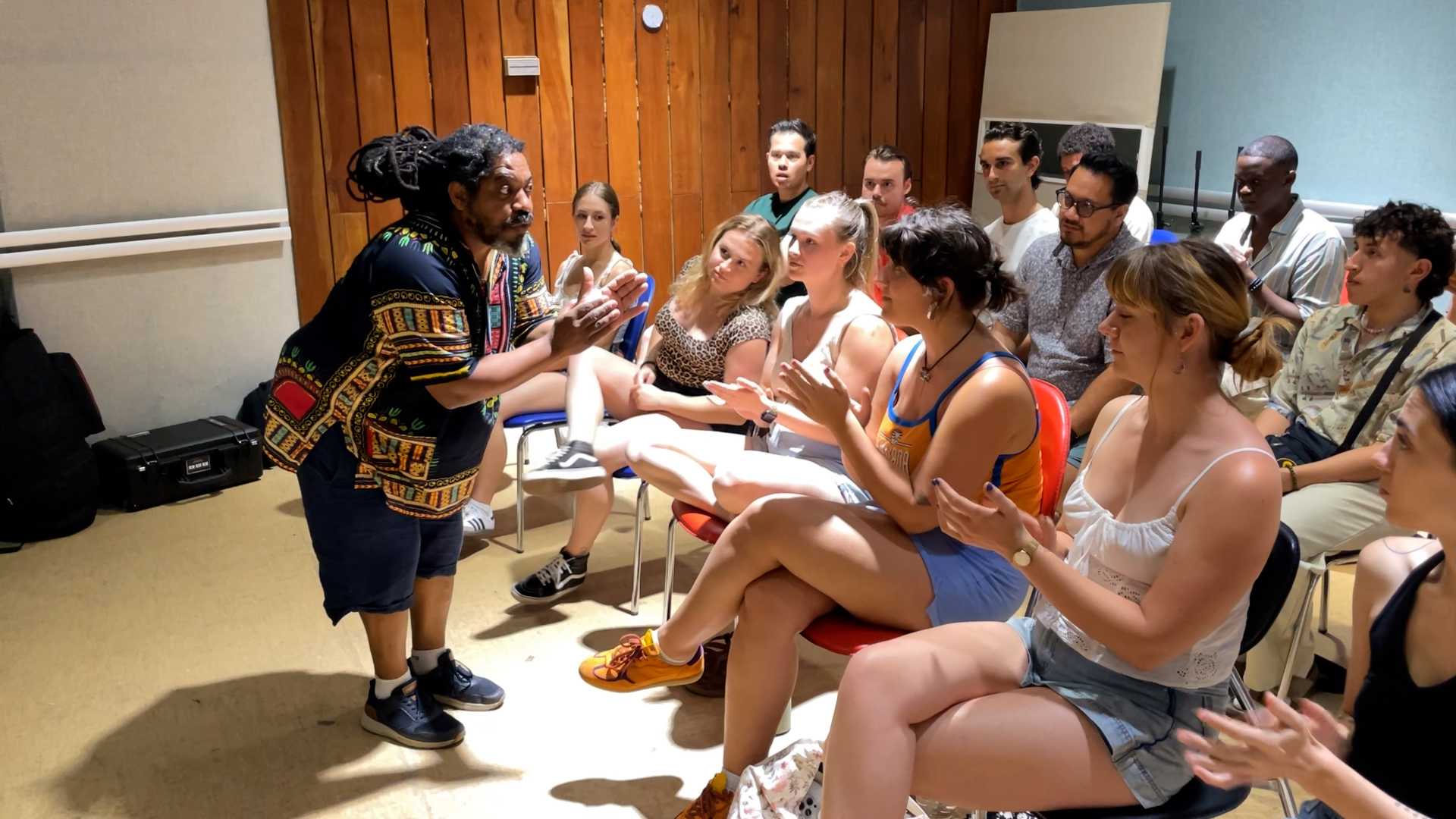
The group went to the Manuel Saumell Elementary Music School, exchanged with the Cuban National Choir at its headquarters, attended a concert by Isaac Delgado, and received master classes in popular music and Cuban percussion with musicians from the Los Van Van band and Yaroldy Abreu.
Every minute was made the most of to make this a tour of true appreciation for Cuba and its culture.
“We love Latin music, and Cuban music and jazz are very intertwined. We have a lot to learn about Cuban music and culture. I thought it would be a truly wonderful opportunity to learn from you and to share our music with you. It has been incredible, nothing we could have imagined,” Guter said.
Christine Guter, director of the Pacific Standard Time jazz choir. Photo: Lied Lorain.
Theirs is a collective approach that manifests itself in diverse ways, as each member takes home a personal experience.
For Ace Homami, one of the voices of PST, what impressed him most was “the people, the music, the art in general, which is not only within the art scene itself, but throughout Cuba. There have been so many moments where I’ve looked around and thought how incredibly lucky I am to be here to experience this culture, this atmosphere.”
“Being in Cuba has been one of the most enriching experiences of my life. It’s been crazy how many things have happened that are so different not only from what happens in the United States, but from what I thought they could be. And it wasn’t just enriching musically, which it was, but enriching for my soul, for my personality, for me socially,” Robertson explains regarding the aforementioned change of perspective.
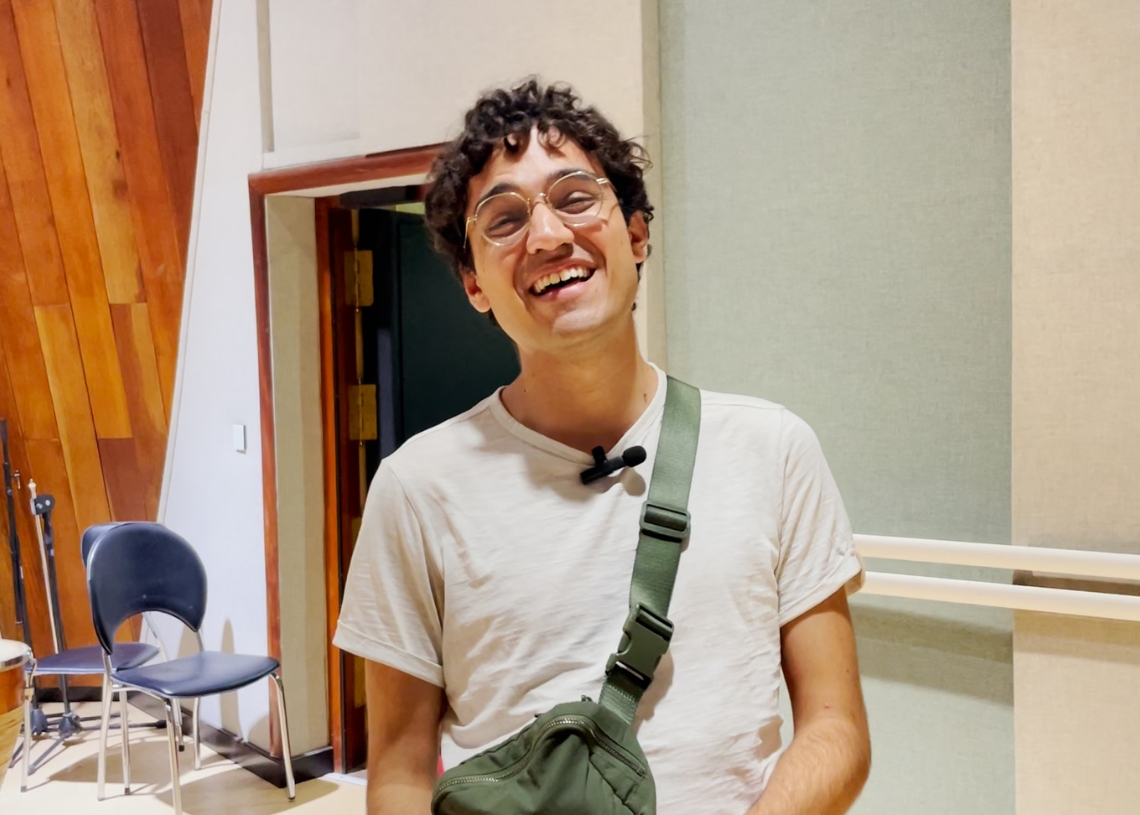
Perhaps one of the strongest feelings was experienced by Max Smith, the grandson of Cubans who emigrated to the United States in the 1960s. He is the first in his family to travel to Cuba since then. His story was shared on every stage where he performed.
“It’s incredible to be here, to experience this, and to connect with my roots and the culture I’d never been in contact with before. The people here are very generous and have made that connection possible for me; they’ve made me feel welcome,” Max told OnCuba.
Perhaps the most meaningful thing for him is the vision of the island in which he landed here and what he has to say upon his return.
“It’s very different from what I’ve been told about Cuba; I think it’s very different from what it was like in the 1960s. I’ve been able to learn a lot about the people, the food, and the music. I’ll tell them to come and see for themselves.”
Max Smith, lead singer of Pacific Standard Time, is the grandson of Cubans, and this trip was his first connection with his roots. Photo: Lied Lorain.
Giving and receiving
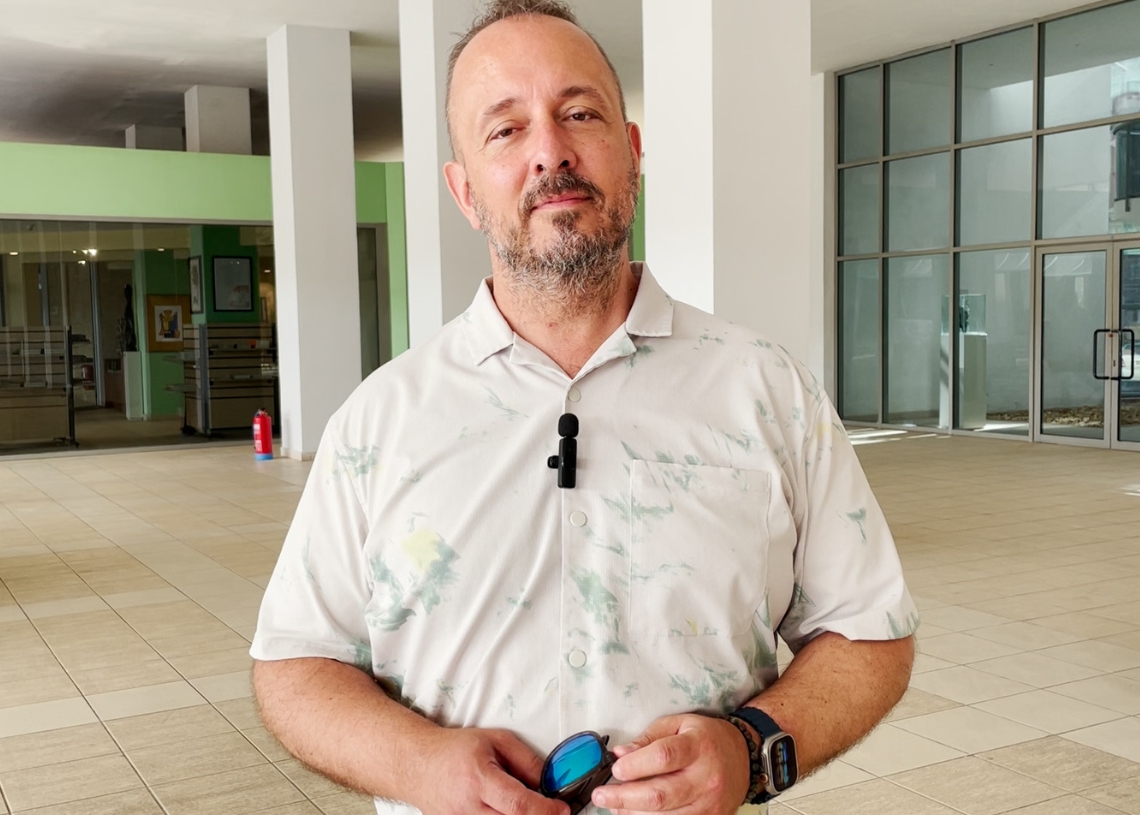
In 2011, Royce Smith arrived in Cuba with a group of students to visit the Havana Biennial. Since then, he has included contact with the island in his career as a teacher and curator.
He is currently the Dean of the College of Arts at California State University and has also held this position in the College of Arts and Architecture at Montana State University-Bozeman. He is a professor of art history, and his work as a curator has included him in important biennials, such as the one in Asunción, Paraguay, the one in Curitiba, Brazil, and the one in Havana.
“I started speaking Spanish when I was 12, and my parents taught me that there are many more people who have the right to call themselves Americans, who live in other parts of the Americas, that it is plural. And from that moment on, an interest in exploring that world was born, and Cuba as well,” Smith says.
“I spoke with my students, and we discovered that, using the connection of music and the visual arts, we always had the right to move from the United States to Cuba. The arts have always been the bridge between the two countries. And using that, we have tried, through collaborations with Cubans and Cuban institutions, to create more ties, more opportunities for exchanges,” he says.
Royce Smith, Dean of the College of Arts at California State University, Long Beach, has been leading cultural exchanges between the two nations since 2011. Photo: Lied Lorain.
As a professor and dean, he does his best to allow his students to have experiences like this.
“A university is a space dedicated to developing the wisdom of various disciplines, because artists have to be masters of their own techniques. But the question is how they translate that wisdom to a completely different cultural context, one with its charms, its history, its specific practices and customs.
“And the students learn flexibility, they adapt to the Cuban rhythm. That’s super important, because they have to find, discover another part of their artistic soul to be successful. There’s something that’s been awakened, which I see in their faces, in their way of presenting themselves, of expressing themselves. And that’s truly the gift that Cuba has given them.”
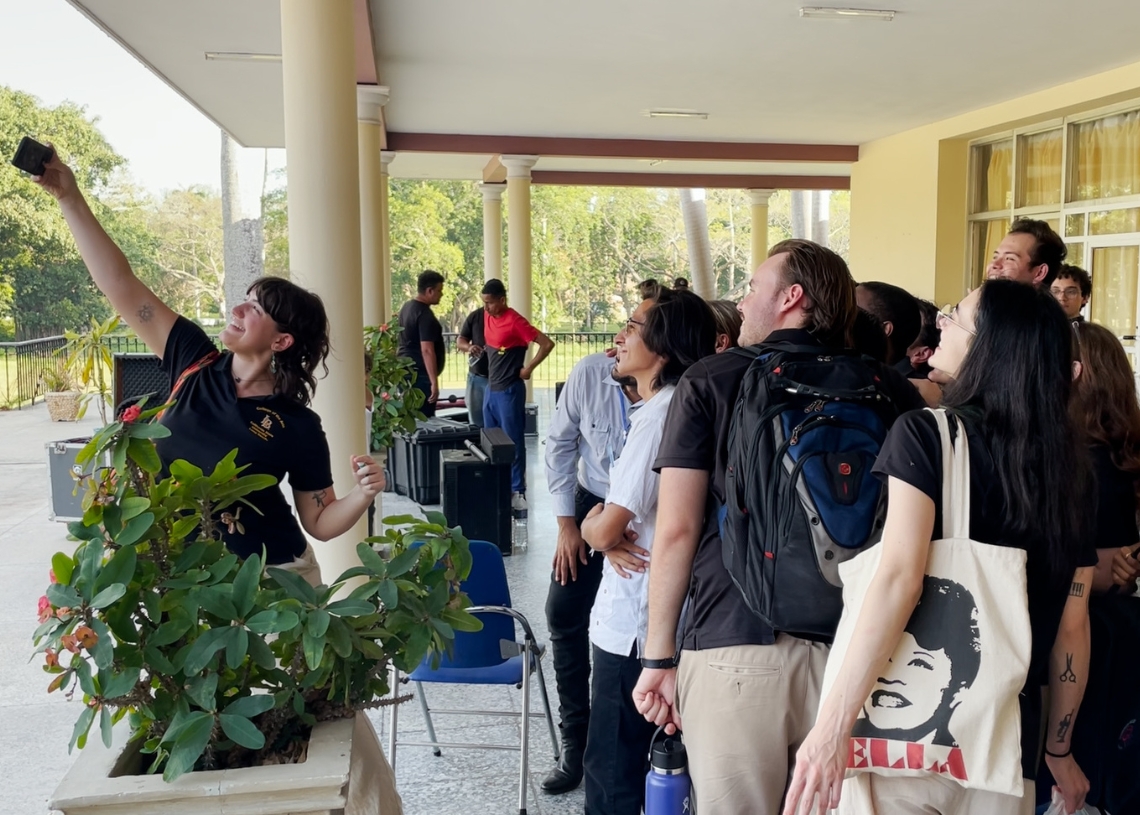
Members of the Pacific Standard Time taking a selfie with students from the Higher Institute of Art in Cuba. Photo: Lied Lorain.
But it’s an exchange; it’s about giving and receiving.
“I always want to dedicate myself to creating a world where we can collaborate. We are neighbors. We share stories, experiences, oppressions, successes, goals, visions, and it’s been that way for hundreds of years. We have to respect each other, be honest, open, listen, and have patience.
“My goal is that through the arts we can soften that relationship a little. We have a responsibility to be leaders in peace, in conversation and dialogue. And I’m committed to doing that with my students, with my own professional practices. And that’s why I love Cuba,” Smith concludes.