Moscow, June 6 (Prensa Latina) The Russia-Cuba youth event dedicated to the friendship between the two countries was held at the Yuri Gagarin Cultural and Recreation Park in Simferopol, Crimea, Prensa Latina learned today.
Irina Kiviko, Deputy Chairwoman of the Council of Ministers of the Republic of Crimea, who led the event, explained that the important event included young representatives of various organizations from the peninsula, who united under the slogan: “Russia and Cuba: Together we will win
The president of the Crimean regional branch of the Russian Society for Friendship with Cuba also recalled that in May, the two nations celebrated the 65th anniversary of the reestablishment of diplomatic relations.
In recent decades, a truly fraternal union has been forged between the countries, based on friendship, respect, and the desire for shared development, Kiviko said.
“I am extremely pleased that Crimea’s patriotic youth are actively involved in public diplomacy. As proof of this, the students participated in the national competition of student projects on Russian-Cuban relations and the role of public diplomacy in their development, dedicated to Che Guevara and Gagarin,” he said.
The competition was held in the context of the 60th anniversary of the Russian Society of Friendship with Cuba, and the results were summarized in May.
Of 200 entries from 20 regions across the country, 120 were submitted from the Republic, and 10 were chosen as winners. Therefore, I am completely confident that public diplomacy will develop, Kiviko emphasized.
Washington, June 5 (Prensa Latina) The Green Party in California urged the United States government to remove Cuba from the list of state sponsors of terrorism and to end all economic sanctions currently imposed on the Caribbean nation.
President Donald Trump reinstated Cuba under the arbitrary State Sponsor of Terrorism (SSOT) designation almost simultaneously with his reinstatement to the White House on January 20, reversing a decision made by his predecessor, Joe Biden, six days earlier.
“Cuba’s arbitrary designation has subjected it to new international sanctions and financial restrictions that further limit the country’s ability to conduct crucial financial transactions, such as the purchase of food, medicine, and oil to supply its national electricity grid,” the document emphasized.
Therefore, the Green Party of California “strongly urges the President to remove Cuba” from SSOT and to oppose “any legislation that seeks to prevent Cuba’s removal from said list.”
Furthermore, it resolves to urge members of Congress from California “to pass legislation that eliminates those aspects of the embargo (blockade) that have become law and eliminate all sanctions imposed by the United States against Cuba.”
At the same time, “allow the people of the United States and Cuba to travel and trade freely between the two countries, and oppose any legislation that seeks to codify the embargo, the SSOT, or other sanctions against Cuba.”
The text also emphasized the damage caused to Cuba by the economic, commercial, and financial blockade of the past 64 years, which impedes most Cuban relations and trade not only with the northern nation but also penalizes third countries.
“The consequences of this embargo (blockade) continue to inflict daily hardship and deprivation on the Cuban people, generating shortages of basic goods such as food and medicine, and severely restricting international financial and trade opportunities,” the resolution stated.
He also explained that the economic blockade “prevents Cuba from obtaining vital medical equipment and supplies, and even hinders the humanitarian response to natural disasters.”
President Trump, he said, has the authority to remove Cuba from the SSOT list by executive order.
The UN estimated last year that at current prices, the annual cost of this hostile policy is around five billion dollars.
On October 30, the UN General Assembly voted for the thirty-second time to lift the embargo on Cuba, with the almost unanimous support of the international community (187 of 193 countries) and opposition only from the United States and its staunch ally Israel.
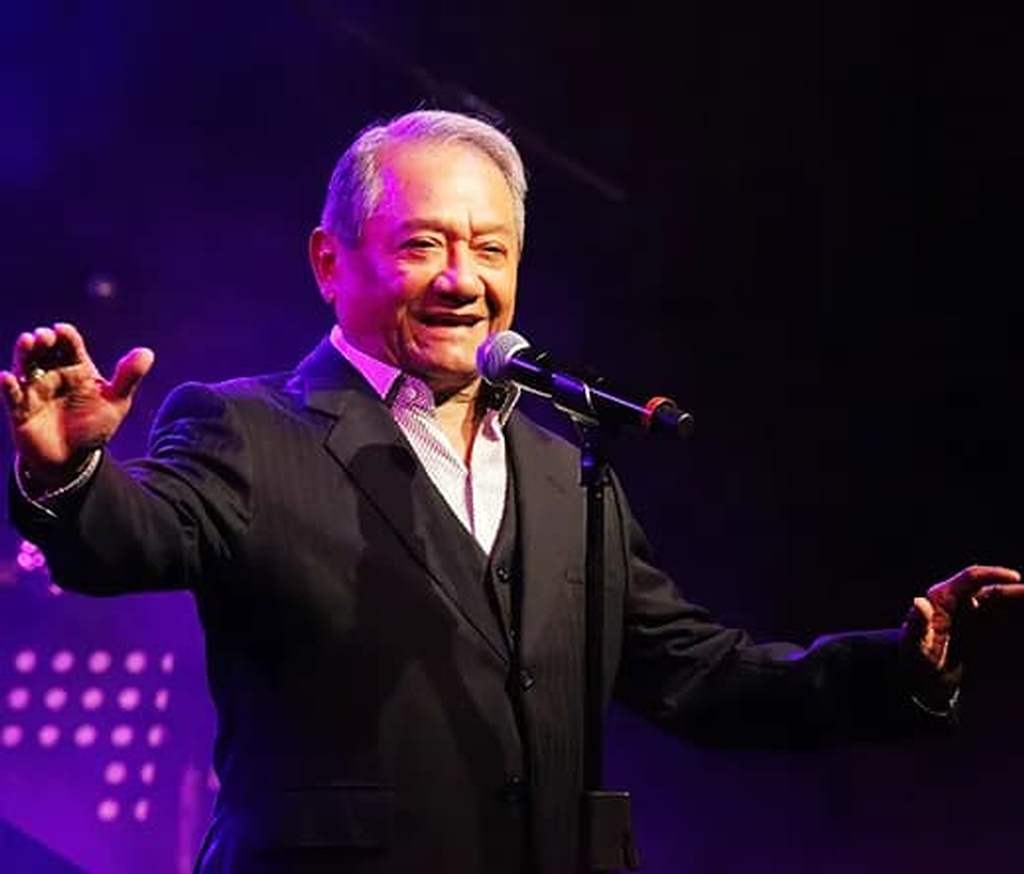
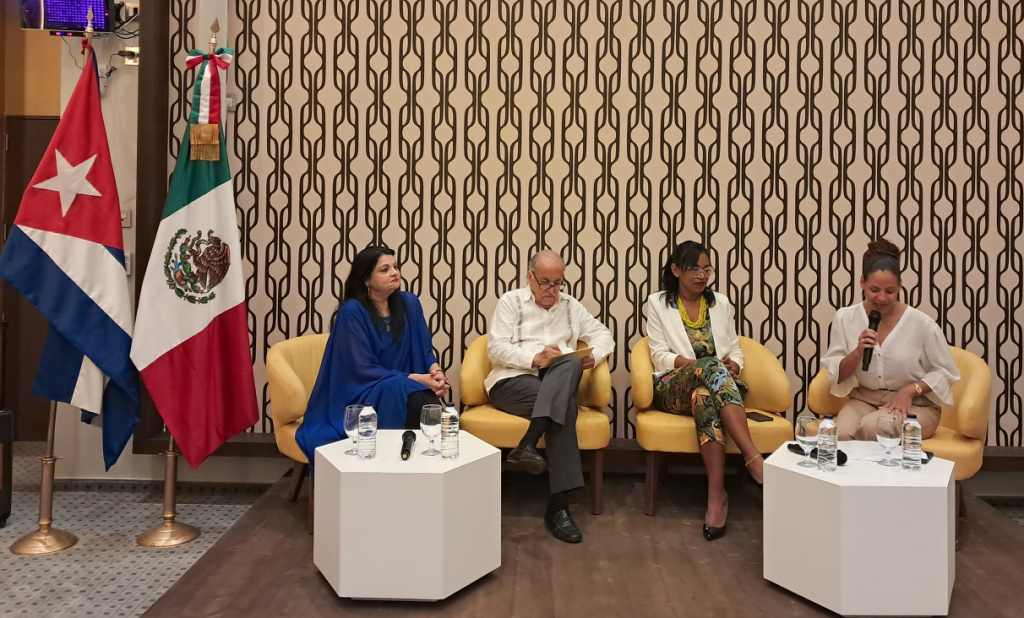
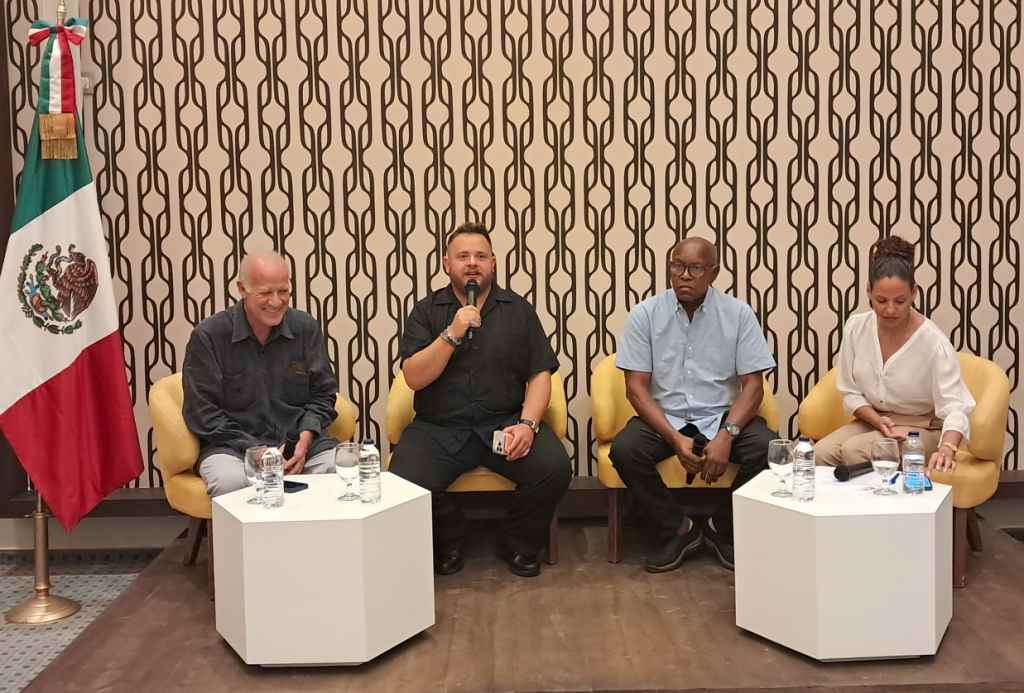
Havana, June 5 (Prensa Latina) Honoring singer-songwriter Armando Manzanero is the objective of next Saturday’s concert in this capital, coordinated by the Mexican Embassy, Channel Once of that country, and the Cuban Ministry of Culture.
“I Know You’ll Return: Tribute to Manzanero in Cuba” is the title of the gala held by both countries dedicated to the work of an emblematic figure of romantic music in Latin America, the organizers emphasized at a press conference in Havana.
According to reports, renowned Cuban and Mexican musicians will perform at the show, scheduled for 5:00 p.m. local time in the Avellaneda Hall of the National Theater of Cuba.
What seemed like madness has become a reality; a magical moment is being created where two forces converge, capable of moving the most incredible thing: emotion, expressed Mexican Ambassador to Cuba Miguel Díaz Reynoso in an exchange with the media.
Joining them in this presentation will be Mexican artists Aranza, Rodrigo de la Cadena, Los Miranda, Laura Flores, Marco Morel, Luis Pérez Sabido, and Alejandra Dávalos, along with Cuban music greats Beatriz Márquez, Vania Borges, Haila María Mompié, Sergio Farías, Waldo Mendoza, and other guests.
Cuban maestro Miguel Patterson is in charge of the event’s musical direction, accompanied by his fellow countryman, maestro Efraín Sabás, and Mexican Rodrigo de la Cadena, who are in charge of artistic direction. The prestigious selection of guests is completed by the Cuban Radio and Television Orchestra and Choir.
In the words of Díaz Reynoso, it is also about honoring an association that proposed and achieved, in an unusual act, that two countries joined forces to declare a cultural element as a World Heritage Site (by UNESCO), in this case, the musical genre Bolero, born in Cuba and recreated in Mexico.
For her part, Indira Fajardo, president of the Cuban Institute of Music, emphasized that the concert is a way to showcase the natural musical brotherhood between the two nations, which is reinforced in each of their joint performances.
The bolero isn’t just declared a heritage site; that requires a safeguarding plan, actions, and continuity; it implies shared responsibilities between the two countries so that it truly becomes a cultural asset and so that, in Cuba and Mexico, we can continue to defend it, Fajardo noted.
While admission to the concert will be free for attendees, the director of the National Theater of Cuba, Nereida López, reported that invitations have been distributed to health and education centers, and they hope, as an institution, that it will be an unforgettable afternoon of dreaming, loving, and spiritual growth.
At the end, maestro Miguel Patterson expressed that this will be the second time he will accompany Armando Manzanero: “He is not physically present now, but his spirit and his music are.”
Armando Manzanero (1934-2020) was a musician, singer and record producer, considered the main Mexican romantic composer of the post-war period and one of the most successful in Latin America.
Author of more than 400 songs, he was the first Mexican to receive an honorary Grammy Award (2014), Billboard magazine awarded him the Award of Excellence (1993) and his name is in the Latin Hall of Fame at the World Center in Miami, according to data from the Argentine music site CMTV.
His songs have been performed by world-class artists such as Elvis Presley, Luis Miguel, Andrea Bocelli, Ricardo Montaner, Miguel Bosé, Paulina Rubio and David Bisbal.
With the support of anti-Cuban politicians, Trump’s veto limits entry into the U.S. from Cuba and other countries, according to Foreign Minister Rodríguez. Photo: EFE.
Foreign Minister Bruno Rodríguez Parrilla denounced that these measures not only affect mobility, but also harm contact between families and bilateral cultural and professional exchanges.
June 5, 2025 – teleSUR
The Cuban government on Thursday described as “racist” the recent restrictions imposed by the United States (US) that limit entry into its territory to citizens of several countries, including Cuba.
The controversial measure was signed Wednesday by US President Donald Trump, who established total bans for citizens of twelve countries and partial restrictions for seven others, including Cuba. According to the White House, the decision responds to “deficiencies in vetting and background checks” that pose a risk to national security.
On his X social media account, Rodríguez harshly criticized the measure, pointing out that it has “racist undertones” and is supported by anti-Cuban politicians within the U.S. government. The foreign minister emphasized that these restrictions harm contact between Cuban families and hinder the personal, academic, and cultural exchanges that have served as a bridge between the two peoples.
Among the countries with a full ban are Afghanistan, Iran, Libya, and Somalia , while the list of partial restrictions includes nations such as Laos, Sierra Leone, Turkmenistan, and Venezuela, in addition to Cuba. The decision is based on a report prepared by Secretary of State Marco Rubio and other Cabinet officials, Trump explained.
Tensions between Cuba and the United States are escalating with this new measure, which once again jeopardizes the possibility of maintaining family and professional ties.
Cuba’s response makes it clear that these restrictions are not only a bureaucratic obstacle, but also a political barrier that hinders relations between the two countries.
Havana, June 5 (Prensa Latina) President Miguel Díaz-Canel asserted today that enemies of the Revolution are attempting to manipulate the opinions of university students regarding recent measures taken by Etecsa, with the goal of promoting the subversion of public order in Cuba.
During the podcast Desde la Presidencia, the head of state commented that the opinions of students at the island’s universities refer solely to their disapproval of the redesign of the services of the Telecommunications Company SA (Etecsa).
He also explained that higher education students respectfully expressed their concerns about the new mobile internet rates through organizations such as the University Student Federation and the Union of Young Communists.
He also considered that the attempt to distort student demands and destabilize the country contrasts with the meetings between company executives and the nation’s university community.
In his opinion, the criticism unleashed in the country’s higher education institutions did not arise spontaneously, but rather due precisely to manipulation on digital platforms or communication strategies designed to discredit the Revolution.
There is a campaign on social media with the clear objective of discrediting the Revolution, he reiterated, and denounced that videos and photos were manipulated to depict supposed opposition demonstrations, in order to create a rift between young people and the government.
In his address to the Presidency, the president proposed a critical approach to the measures announced by the company to address its serious financial problems, which threaten to cause a collapse of the Cuban telecommunications system.
Díaz-Canel was joined by Deputy Minister of Communications Ernesto Rodríguez and Etecsa President Tania Velázquez, who analyzed the causes and consequences of the entity’s lack of liquidity.
Havana, June 5 (Prensa Latina) President Miguel Díaz-Canel reaffirmed today in this capital the will to continue strengthening the constructive dialogue between Cuba and the Holy See, the Presidency of the Republic announced.
The statement, according to the text, came during a meeting between the head of state and Monsignor Paul Richard Gallagher, Secretary for Relations with States and International Organizations of the Holy See.
“It was a pleasure for Díaz-Canel to welcome the archbishop back to Cuba,” he said, expressing his respect and esteem for the island nation. He noted that his visit is taking place in the context of the commemoration of the 90th anniversary of the establishment of diplomatic relations between the island and the Holy See.
He also highlighted that ten years ago, then-Cuban President Raúl Castro visited the Vatican, and Pope Francis also made a pastoral visit to Cuba.
There is a sense of respect and admiration among our people for the gestures and concerns he showed toward Cuban problems, he said, referring to Pope Francis.
The president requested that his cordial greetings be extended to Pope Leo XIV and that he be invited to visit Cuba, the official statement states.
It would be a pleasure to welcome you, and you will be treated accordingly for your leadership of the Catholic Church, he said.
The notification reveals that the Cuban president emphasized that relations between the Holy See and Cuba have developed based on respect, with a high level of political dialogue, systematic communication, and “have been able to overcome obstacles over time.”
We once again express our willingness to continue strengthening this constructive dialogue, he stated.
We continue to be committed to continuing to respect and improve religious freedom in Cuba, as proclaimed in our Constitution, and based on the achievements we have made in relations with different churches, he declared.
He reiterated his rejection of the United States’ hostility toward Cuba and “its view of our country regarding religion.” Once again, he said, we want to thank the Holy See for the support it has given the Cuban people in the fight against the blockade, issues that are permanently at the heart of our relations and the consolidation of dialogue.
“For his part, Monsignor Gallagher, after recalling Pope Francis’ historic visit ten years ago, expressed the deep affection the pontiff had for Cuba, its people, and also for Fidel and Raúl,” the statement said.
“We are happy to celebrate this commemoration of 90 years of diplomatic relations, which for us is important in the history of the Catholic Church,” he stated.
He also “conveyed greetings to President Díaz-Canel on behalf of the Holy See and Pope Leo XIV.”
With this ongoing dialogue taking place at this time, we are committed, together with the Cuban Episcopal Conference, to working to more clearly define relations and promote cooperation between the Catholic Church in Cuba for the good of the entire Cuban population, he noted.
At the end of the meeting, Díaz-Canel and Monsignor Paul Richard Gallagher led the central event commemorating the 90th anniversary of relations between Cuba and the Holy See at the Palace of the Revolution.
Havana, June 4 (Prensa Latina) Pope Leo XIV extended his warmest greetings to the people of Cuba, who have a place in his heart, Vatican Secretary of State Paul Richard Gallagher said today at a religious ceremony here.
“Cuba has a little corner in the heart of the Holy Father,” said the high-ranking Catholic official at the Thanksgiving Mass marking the beginning of His Holiness’s pontificate, attended by Vice President Salvador Valdés and Foreign Minister Bruno Rodríguez.
According to the Secretary for Relations with States and International Organizations of the Holy See, the institution has felt the presence of the people of the Caribbean island throughout the nine decades of bilateral relations.
Gallagher recalled that the stay here of the last three pontiffs also reveals the close ties maintained with the authorities, bishops, and faithful of this nation who, “for the common good of all Cubans, can count on the Holy See,” he said.
In this context, he urged support for the Supreme Pontiff’s call to live in communion, within a united Church in a reconciled world, and under the principles of “peace, justice, and truth,” he asserted.
Toward the end of the Mass, the Vatican Secretary of State greeted the island’s vice president and the other authorities present, including the Minister of Culture, Alpidio Alonso.
As part of their agenda, this Wednesday Bruno Rodríguez and Paul Richard Gallagher unveiled a commemorative postage stamp for the 90th anniversary of diplomatic relations and held official talks.
The stamp features the flags of Cuba and the Holy See, as well as images of the Most Holy and Metropolitan Cathedral of Havana and St. Peter’s Basilica in the Vatican.
During the ceremony, held in the El Laguito protocol room, Deputy Foreign Minister Elio Rodríguez highlighted the constructive and respectful dialogue between the parties over nine decades.
2025 also marks the tenth anniversary of the visit to the Vatican by Cuban Revolutionary leader Raúl Castro in May 2015, and of Pope Francis’ apostolic trip to Cuba in September of that year, the deputy minister recalled.
He also recalled that Cuba had the honor of receiving visits from the Supreme Pontiffs John Paul II in 1998 and Benedict XVI in 2012, and of hosting the historic meeting between Pope Francis and His Holiness Kirill, Patriarch of Moscow and All Russia, in 2016, an event he described as of great significance for interreligious dialogue.
Washington, June 4 (Prensa Latina) President Donald Trump signed a proclamation today to prohibit and restrict travel from several countries to the United States, including Cuba and Venezuela, citing alleged security risks.
The Proclamation completely restricts and limits entry from 12 countries “with deficiencies in vetting and background checks, and which pose a very high risk to the United States,” he said.
This group includes Afghanistan, Burma, Chad, the Republic of the Congo, Equatorial Guinea, Eritrea, Haiti, Iran, Libya, Somalia, Sudan, and Yemen.
While it “partially restricts and limits” the entry of citizens of seven nations that, according to the directive, “also represent a high level of risk to the United States,” including Burundi, Cuba, Laos, Sierra Leone, Togo, Turkmenistan, and Venezuela.
Regarding Cuba, President Trump repeats the false and arbitrary arguments that the island is a state sponsor of terrorism and that “the Cuban government does not cooperate or share sufficient law enforcement intelligence with the United States.”
He said that “historically, Cuba has refused to accept the return of its deported citizens.”
In line with the Proclamation, “the Report on Foreign Stays,” Cuba had an overstay rate of 7.69 percent for B1/B2 visas and an overstay rate of 18.75 percent for F, M, and J visas.
The measure establishes exceptions for legal permanent residents, current visa holders, certain visa categories, and individuals whose entry serves the national interests of the United States, he emphasized.
He further noted that “the restrictions and limitations imposed by the Proclamation are necessary to obtain the cooperation of foreign governments, enforce our immigration laws, and promote other important foreign policy, national security, and counterterrorism objectives.”
He added that, after reviewing a report submitted by Secretary of State Marco Rubio, in coordination with other Cabinet officials, Trump determined that the entry of citizens from certain countries should be restricted or limited in the interest of the aforementioned.
Pursuant to President Trump’s Executive Order 14161, issued on January 20, 2025, entitled “Protecting the United States from Foreign Terrorists and Other Threats to National Security and Public Safety,” national security agencies conducted a comprehensive assessment of the alleged risk.
Trump made the final decision to sign this proclamation after the anti-Semitic attack in Boulder, Colorado, last Sunday, an unidentified White House official told local media, although the idea had already been floated in Washington.
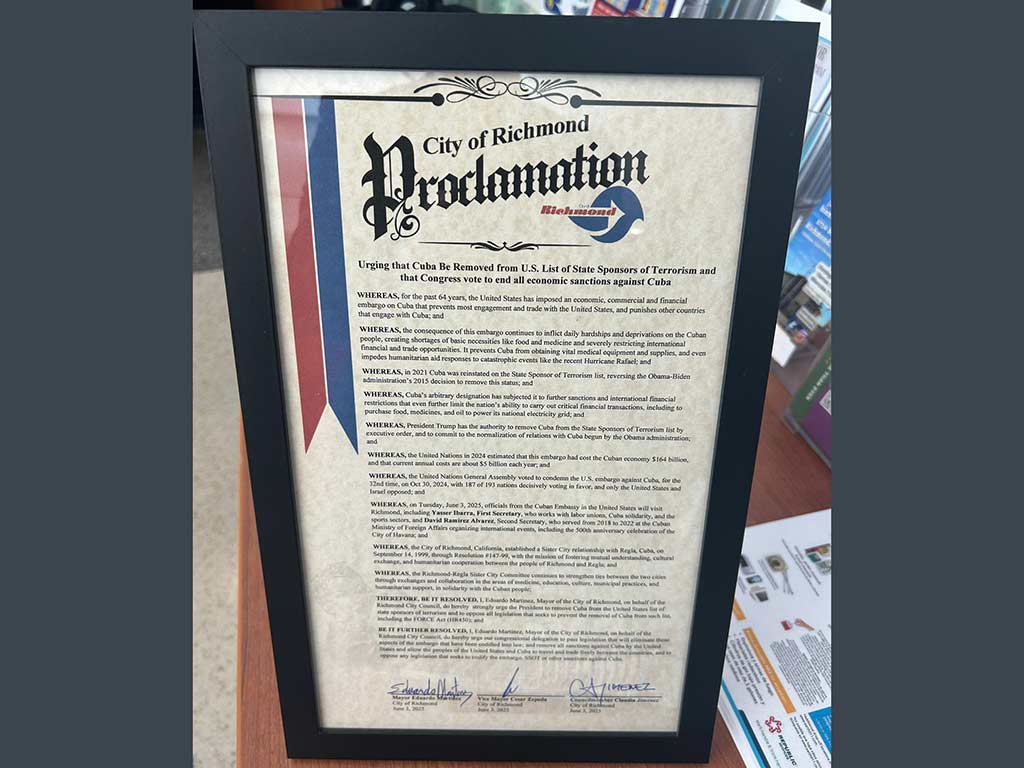
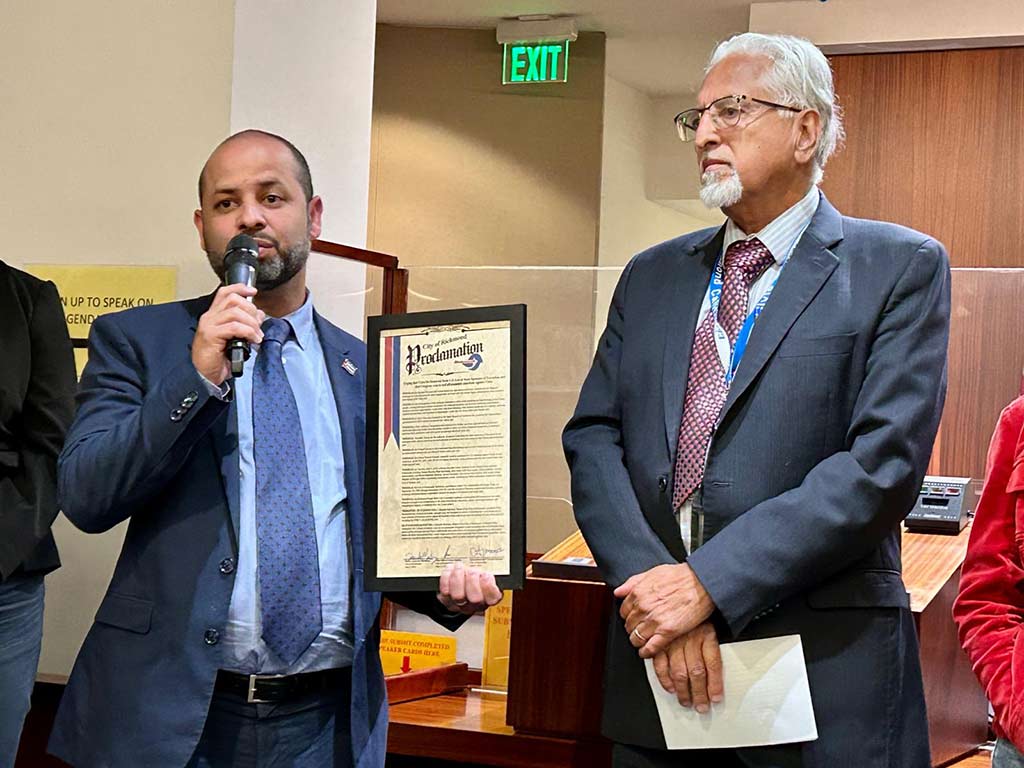
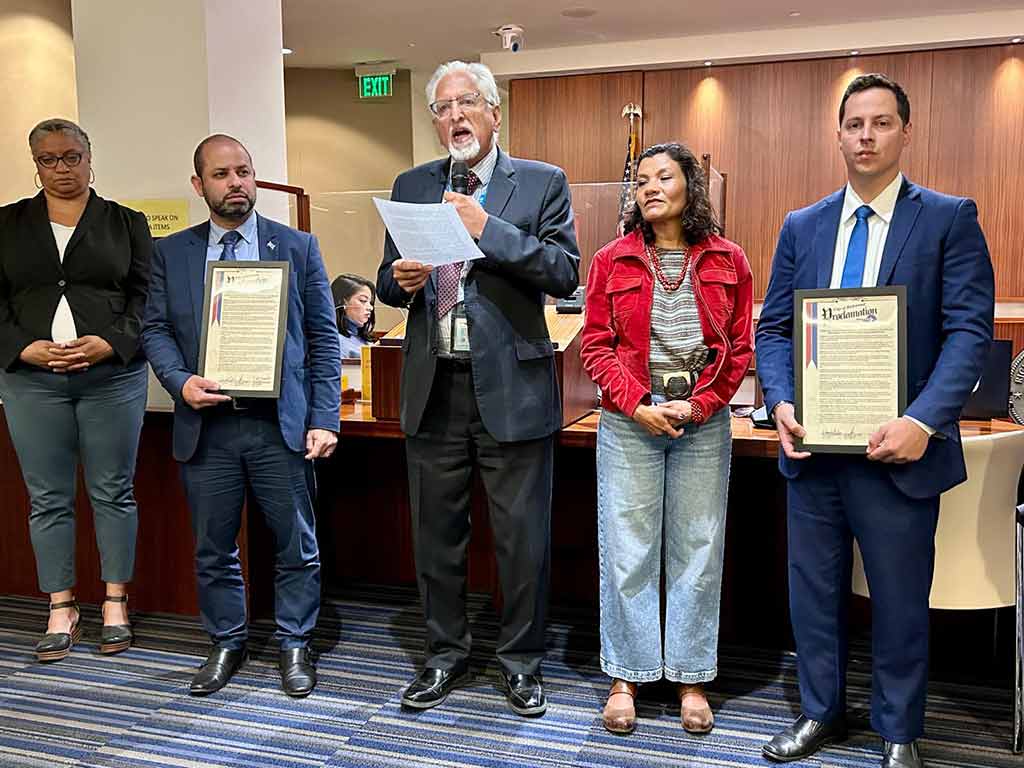
Washington, June 4 (Prensa Latina) The Richmond, California, City Council approved a Proclamation urging the United States government to remove Cuba from the arbitrary list of state sponsors of terrorism and to lift all economic sanctions.
Issued in a solemn session and signed by Mayor Eduardo Martínez, Vice Mayor César Zepeda, and Council Member Claudia Jiménez, the proclamation emphasized that, for the past 64 years, the United States has imposed an economic, commercial, and financial blockade on Cuba.
The unilateral blockade—which at current costs represents losses to the Cuban economy of approximately five billion dollars each year—impedes most relations and trade with the northern nation and punishes other countries that attempt to interact with the island, he noted.
“The consequences of this embargo (blockade) continue to inflict daily hardship and deprivation on the Cuban people, generating shortages of basic goods such as food and medicine, and severely restricting international financial and trade opportunities,” the text, approved Tuesday night, emphasized.
He added that it prevents Cuba from obtaining vital equipment and supplies and even hinders the humanitarian response to catastrophic events such as recent hurricanes.
He recalled that, in 2021, Cuba was reinstated on the list of state sponsors of terrorism at the end of Donald Trump’s first term in the White House, reversing the decision of the Barack Obama-Joe Biden administration in 2015.
With the influence of the Cuba solidarity movement here, in recent years many initiatives to end the embargo have been promoted and approved in municipal councils, state legislatures, and unions representing millions of people in the United States.
On October 30, 187 of 193 countries voted in favor of lifting the embargo on Cuba in the UN General Assembly, with the United States and Israel opposing it.
“On behalf of the Richmond City Council, I hereby urge our Congressional delegation to pass legislation that eliminates those aspects of embargo that have been codified in law,” the mayor emphasized in the Proclamation.
He also insisted that the United States lift all sanctions against Cuba and allow both countries to travel and trade freely.
At the City Council meeting, the Proclamation was presented to Cuban Embassy diplomats David Ramírez and Yasser Ibarra.
Since September 1999, Richmond and the Havana municipality of Regla, Cuba, have been twinned.
Cuba’s national men’s basketball team was supposed to play their final game of the FIBA AmeriCup qualifiers last February in Puerto Rico. But the players never made the flight. Cuba had to forfeit the match when nearly all its players as well as the coaches and support staff were denied U.S. visas to attend the game.
Hear from the players themselves in our report HERE.
Cuban basketball players have been denied visas in the past, but Cuba’s Basketball Federation says this is the first time this has happened on this scale. Only two players – both living outside the island – were granted visas.
“We’re traveling as players, not tourists,” said Arle Zaporta, the team’s center. “Sports are sports. We just want to play.”
This March, 14 Cuban athletes were denied visas to participate in the World Masters Athletics Indoor Championship in Gainesville, Florida.
Cuba’s Olympic Committee denounced last week that Cuban sports officials had also been denied visas this year.
The trend is concerning for Cuban athletes as they begin qualifiers for the 2028 Olympic Games in Los Angeles.
“Our teams will always be in [regional] groups with countries that require a visa, like Puerto Rico and the U.S.,” said Dalia Henry, president of Cuba’s Basketball Federation. “There has to be a way for us to be allowed to…participate and qualify in the same way as everyone else.”
TRANSCRIPT
Cuba’s men’s national basketball team was supposed to play in February in the FIBA AmeriCup Qualifiers in Puerto Rico. But the team never got on the plane. Cuba was disqualified as a no-show after the U.S. denied visas to every Cuban player on the island.
“Our goal was to qualify for the AmeriCup and we were just one step away,” says Arle Zaporta, Center for the Cuban National Basketball Team.
“Finding out we weren’t going to Puerto Rico was a tremendous blow to our morale,” says Michel Espinosa, Forward for the Cuban National Basketball Team.
“It’s the first time a Cuban basketball team is denied U.S. visas. Only two of our players, who live abroad, received the visa. The rest of the players here in Cuba didn’t get the visa,” says Dalia Henry, President of the Cuban Basketball Federation.
“It made me sad because it was a big opportunity for me and the team,” adds Arle Zaporta.
“It was an awful shock because we had our hopes set on being in the AmeriCup,” adds Michel Espinosa.
“It made the players lose confidence and affected them mentally,” says Ariel Ferrán, Point Guard for the Cuban National Basketball Team.
“We had to fight hard to get to that point. And we were not eliminated because we played poorly, but because of visas,” says Michel Espinosa.
“We know there was a change of government in the U.S., but if we played last year in Orlando, how can we now be denied visas to play in Puerto Rico?,” says Osmel Planas, Head Coach of the Cuban National Basketball Team.
Cuban athletes are often denied U.S. visas. Cuban sports officials say this is the first time it has happened to so many players.
“We’ve previously had issues getting the whole team to a tournament,” adds Dalia Henry.
“We need a visa for the U.S. and Puerto Rico. We travel with an official passport, which doesn’t require a visa for most countries,” says Michel Espinosa.
“This is the second time I’m denied a U.S. visa. It’s unfair that a Cuban team can’t participate because of political reasons,” says Arle Zaporta.
“U.S. policy toward Cuba will become harsher. It will continue to limit Cuban sports and Cuban athletes who are training despite the economic hurdles our country faces right now,” adds Dalia Henry.
“It’s hard to convince our athletes to train daily when we have limitations in transportation, food and equipment. It’s not easy. We have no privileges. Our only privilege is to keep working, getting better and getting results,” adds Osmel Planas.
“Every player is proud to represent their country and we know it’s a long road. We need to be disciplined and focus on our goals,” says Michel Espinosa.
“We work hard. With love and sacrifice. We give everything we have in every training session and every game,” says Arle Zaporta.
The 2028 Olympic Games will be held in Los Angeles
“This is a big concern for Cuba’s sports authorities. Our teams will always be in [regional] groups with countries that require a visa, like the Virgin Islands, Bahamas, Puerto Rico
and the U.S. There has to be a way for us to be allowed to have the same rights as other federations, to be able to participate and qualify in the same way as everyone else,” adds Dalia Henry.
“We’re traveling as players, not tourists. Sports are sports. We just want to play.
This shouldn’t happen to any country in any sport,” says Arle Zaporta.