Rigoberto DIAZ AFP – May 15, 2025 — Indiana Gazette
Cuba’s sole producer of cigarillos cannot keep up with exploding demand abroad for the smaller, cheaper, machine-rolled version of the island nation’s much more famous hand-crafted cigars.
Working at full capacity, the Internacional Cubana de Tabacos S.A. (ICT) factory produces 800,000 cigarillos a day. It is not enough.
Exports have increased tenfold in two decades — and that’s despite stricter smoking laws worldwide, and not being able to sell into the US market due to its decades-long embargo.
Havana, May 14 (Prensa Latina) Cuban Foreign Minister Bruno Rodríguez today congratulated Canadian Foreign Minister Anita Anand on her appointment to the position and expressed his willingness to strengthen bilateral ties.
In his account on X, the highest representative of Cuban diplomacy also noted that “in the context of the 80th anniversary of the establishment of diplomatic relations between Canada and #Cuba, we reiterate our willingness to continue strengthening ties of friendship and cooperation between both countries.”
According to press reports, several women hold positions in the cabinet of newly elected Canadian Prime Minister Mark Carney, who was introduced on May 13. Of the 28 appointed ministers, 14 are women. Of the 11 secretaries of state, four are female.
The ties between Cuba and Canada have been consolidated based on friendship, dialogue, and mutual respect, creating an environment of trust and collaboration over eight decades of uninterrupted diplomatic relations, the Cuban Foreign Ministry reports on its website.
Havana, May 14 (Prensa Latina) The Cuban Foreign Ministry stated today that the United States government is once again discrediting itself by unfairly including the island on the list of countries that “do not fully cooperate with its anti-terrorist efforts.”
In a statement, the Cuban Ministry of Foreign Affairs (MINREX) denounced that the U.S. State Department is once again turning the fight against international terrorism into a unilateral political exercise against countries that do not comply with its hegemonic interests.
The text recalls that, a year ago, the Biden administration removed Cuba from the same list, recognizing the value of bilateral cooperation in law enforcement, which includes jointly combating terrorism.
“Nothing has changed since then in Cuba’s exemplary performance in this area,” the Foreign Ministry stated, noting that the new designation seeks to impose the narrative that the Caribbean country constitutes a threat to Washington.
The statement also stated that the island’s inclusion on the list responds to the intentions of the Donald Trump administration and his Secretary of State, Marco Rubio, to derail bilateral relations and push the two countries into confrontational situations.
The Foreign Ministry revealed that Washington presented no evidence to support the list’s content and had no qualms about circumventing and reversing “just hours after taking office” the consultation process among specialized agencies that led to Cuba’s exclusion from the list of countries that allegedly sponsor terrorism.
In the opinion of the Ministry of Foreign Affairs, the lists are instruments designed to serve the policy of “maximum pressure” and economic warfare.
He also reaffirmed that Cuba’s commitment to “strong action and condemnation of terrorism is absolute and unwavering,” while, he noted, the U.S. government tolerates or is complicit in this scourge.
As an example, the Foreign Ministry mentioned that confessed terrorists such as Luis Posada Carriles and Orlando Bosch Ávila lived peacefully in Miami, protected by the United States.
He emphasized that the Cuban government is still awaiting responses to its request for information on the identity of the perpetrator of the terrorist attack against the Cuban Embassy in September 2023.
“Our country has never participated in the organization, financing, or execution of terrorist acts against any country, nor has its territory been used nor will it be used for such purposes,” the statement confirmed.
Ever wonder what it’s like to visit a city some say is frozen in time? Ever imagine smelling the rich aroma of Caribbean cuisine, cruising down city streets in a classic car, strolling by turquoise waters, or delving into the vibrant history of a beautiful island? That’s exactly what several Marquette students recently experienced in Cuba.
May 14, 2025 — Marquette University
Since 1963, the United States has imposed on-and-off sanctions that restrict tourism to Cuba, allowing only a small number of Americans to visit. Ryan Bendoff, an undergraduate political science and international affairs student, was one of twelve Marquette students who got to enjoy the sights, culture, and history of Cuba through the course HISTI 4931: Cuba: Historical & Contemporary Developments.
Bendoff, eager to learn more about different global governments and economies, leapt at the chance to visit Cuba. To share his Marquette-sponsored learning and travel story, Bendoff recently helped compile a list of the four most important things to do while in Cuba.
One: Experience the History
slide 1 of 3
The trip to Cuba was led by Dr. Michael Donoghue, associate professor of history. Guest lecturers such as the tour guide, Luis, gave first-hand accounts on the legacy of Cuba’s history. According to Bendoff, these lectures offered students glimpses into the entire history of Cuba, giving an appreciation for the nuanced position Cuba sits in today. Each lecture was accompanied daily by cultural experiences and landmarks, such as the firing of the 9 o’clock Cannon at the San Carlos de La Cabana Fortress — an event that’s happened every night for the past 350 years.For the 13-day trip, students had plenty of opportunities to explore Cuba’s historical gems. Havana, often described as a city frozen in time, preserves Cuba’s history with buildings dating from the colonial era to the 1920s. Fountains, plazas and the bustling markets of Old Havana serve as reminders of Cuba’s long past. With travel restrictions in place, first-hand experience of Cuba’s history is a once in a lifetime opportunity.Cuba has been a communist country for over 70 years, but Marquette students learned that a growing market is developing in the country. Guest lectures from Cuban business leaders, including Oscar Fernandez Estrada, CEO of Deshidratados Habana, bring new perspective to Cuba’s economic expansion. Bendoff emphasizes that many students were surprised to hear Estrada explain that the ”Cuban economy is limited by supply, not demand,” contrasting their understanding of American economics. All the students in the program were able to witness how business works in a unique emerging Cuban economy.
PreviousNext
Two: See the Sights
slide 1 of 3
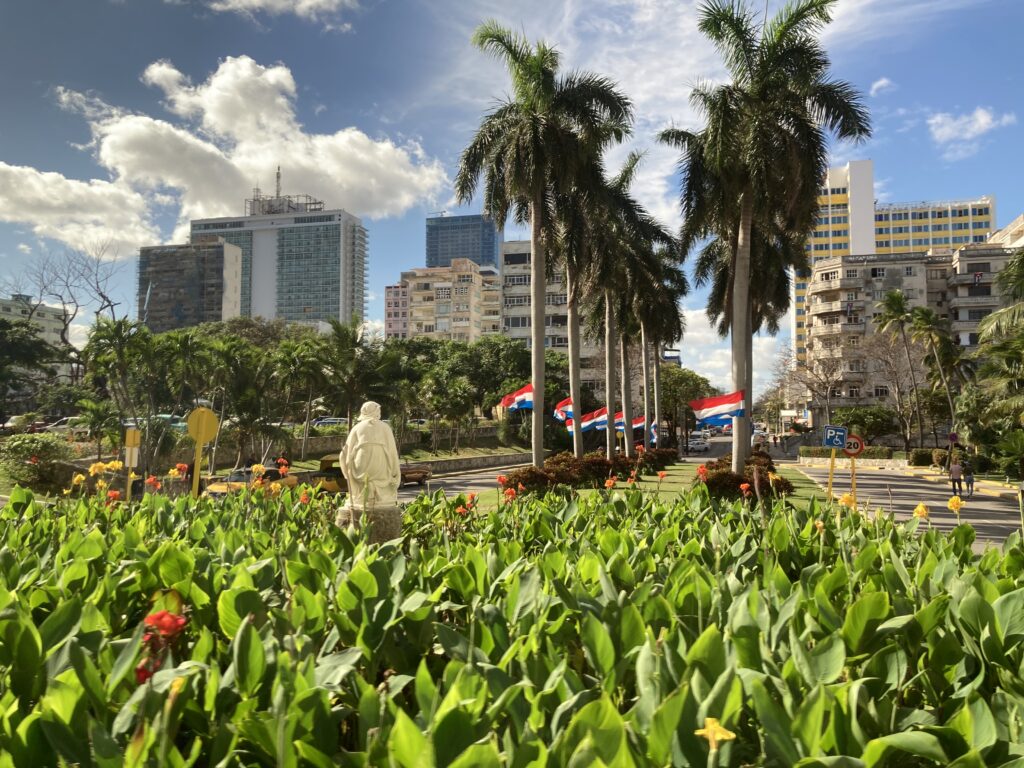
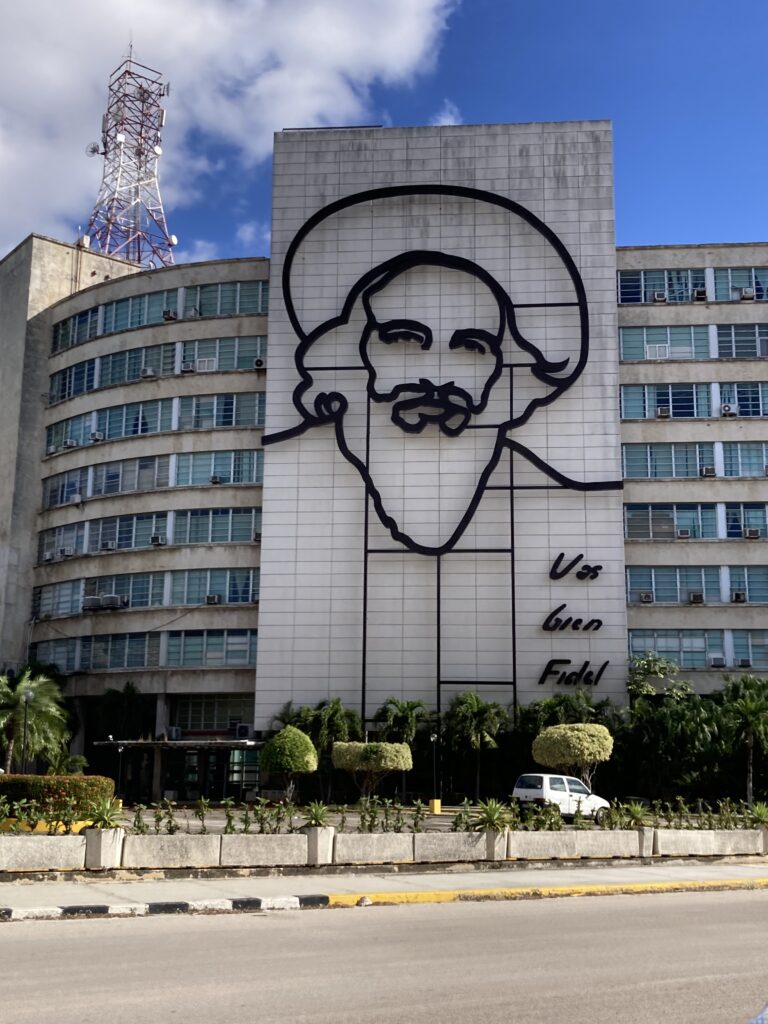
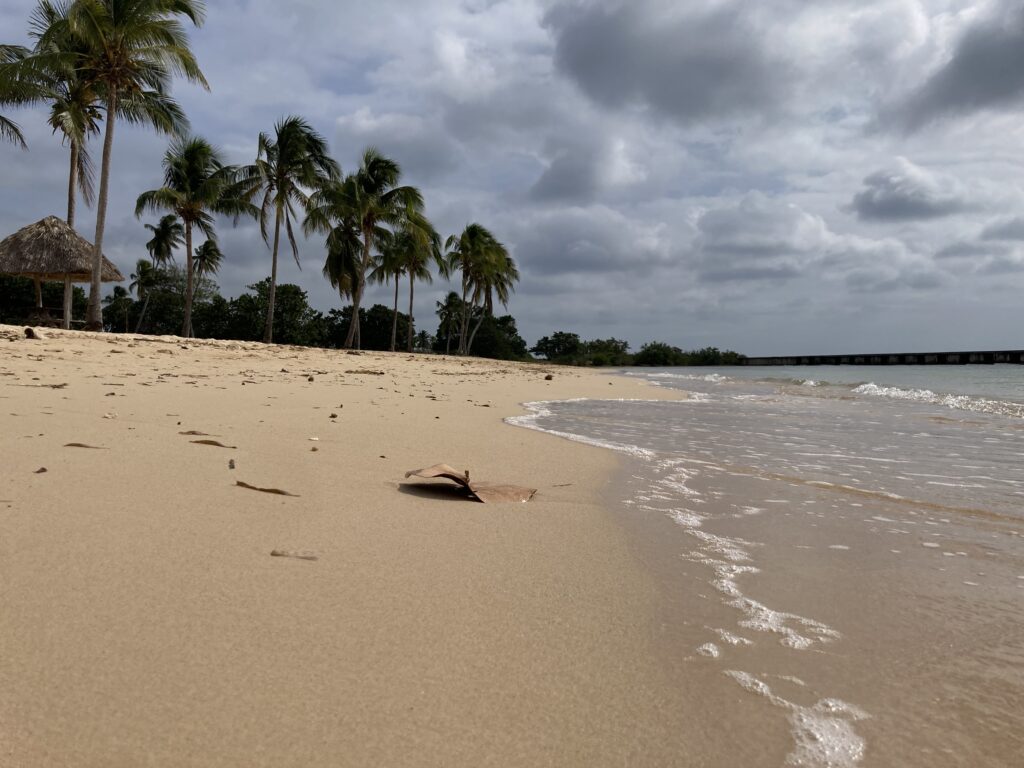
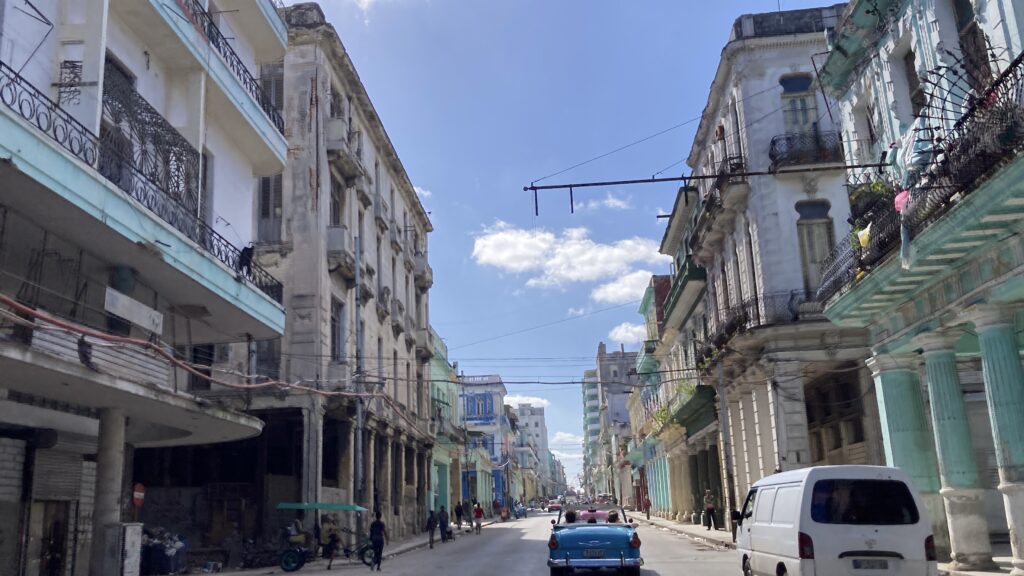
Cuba’s vivid culture has been shaped by its dramatic history — including the communist revolution, led by Fidel Castro. Bendoff and the other students saw firsthand the legacy of communism in the island’s physical and institutional architecture. Pictured here is the Plaza de la Revolución (Revolution Square), a notable site where radicals such as Fidel Castro and Che Guevara held political rallies during the Cuban Revolution. Bendoff comments that walking on the same streets that communist leaders once walked brings a certain reality to the political history of Cuba — one he would have never thought he would experience. Cuba remains a communist state today with most political opposition forbidden.One of Bendoff’s most iconic experiences was riding through the streets of Old Havana in some of Cuba’s classic cars. Bendoff explains that the endurance of such old cars comes from trade restrictions imposed by the U.S. since the early 1960s. In addition to the classic cars, students biked and hiked through Havana and the rolling Cuban hillsides.Beyond the bustling city life, Cuba is famous for its beaches. While Playa Giron may be better known for the Bay of Pigs Invasion, today it is a serene spot for relaxation — although the Bay of Pigs Museum is just a mile away. On top of interacting with the history of these landmarks, students explored beautiful geography, such as the cave structures at the Caleta Buena beach outside of Trinidad.
PreviousNext
Three: Bask in the Culture
slide 1 of 3
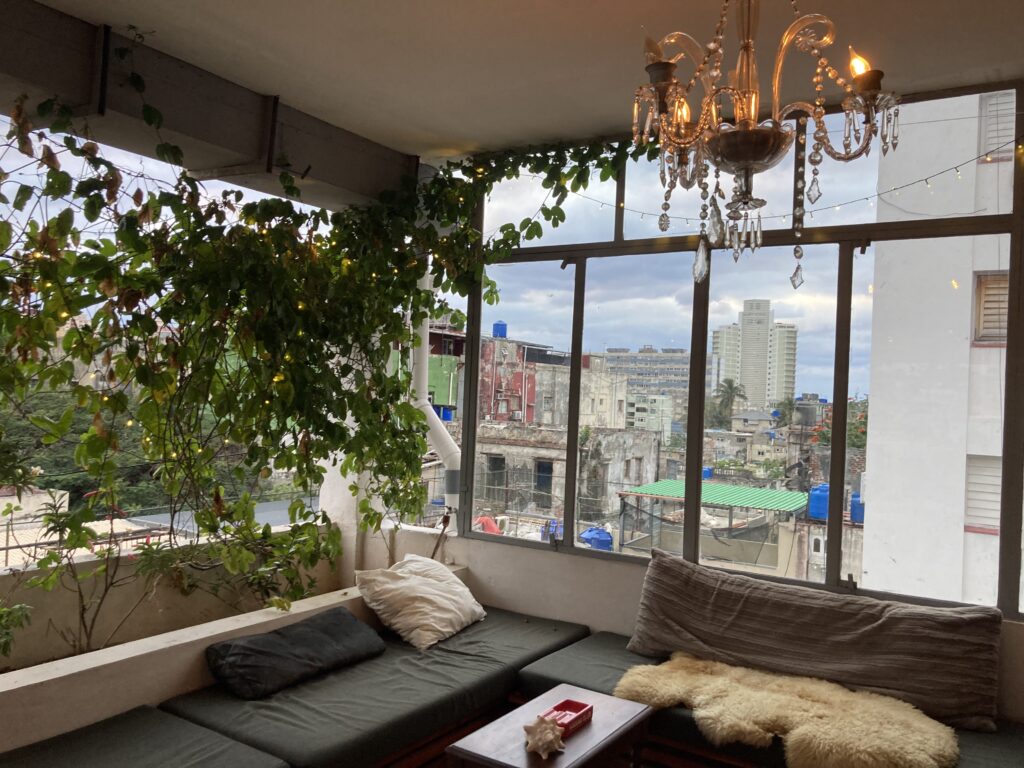
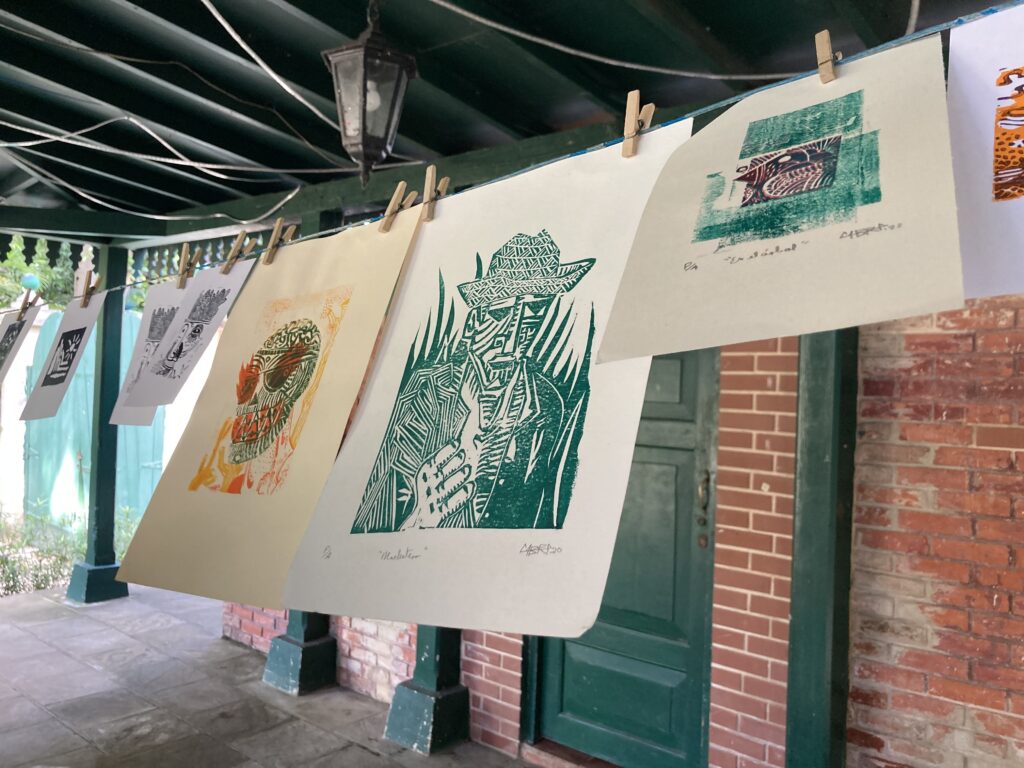
For Bendoff, one of the trip’s highlights was experiencing Cuba’s lively music scene. Primeria Linea, a salsa band, performed at night on the rooftop of a hotel. The energetic band was made up mostly of teenage students. To match the energy of the band, Marquette students showed off their dance moves from salsa lessons they took on the trip. The fun night had everyone dancing, chanting, and singing along!Cuba’s art scene left a lasting impression on Bendoff. Pictured here are some of the local print artworks that Marquette students participated in making. Graffiti and folk art make up a lot of the publicly seen artwork of Cuban cities. In the markets, plenty of decorative jewelry, clothing and carved statues are created by Cuban artisans.While several days of the trip involved staying in hotels in Havana, the students experienced staying in Casa Particulares, a ”Cuban version of an Airbnb.” As host families opened their homes, Marquette students gained firsthand experience of what Cuban culture and homelife is like. Bendoff is grateful for his host family’s generosity and delicious meals.
PreviousNext
Four: Appreciate Day-to-Day Life
slide 1 of 3
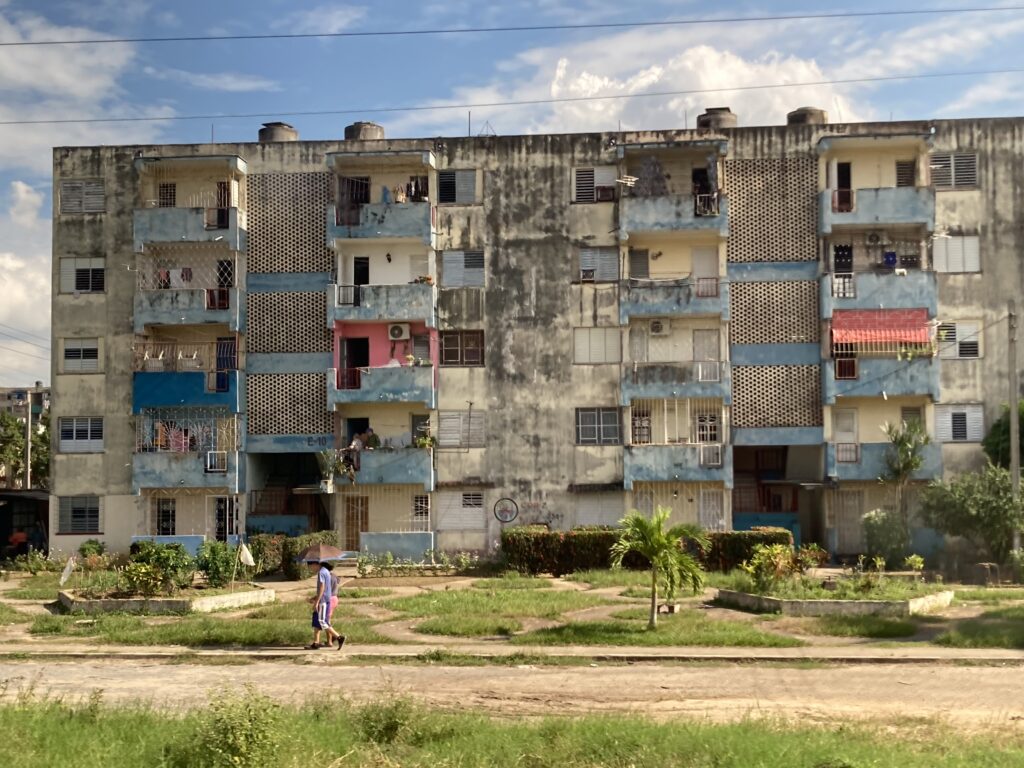
Living conditions in Cuba differ greatly from those on Marquette’s campus. Power outages, food shortages and job scarcities make life hard, and the island has also suffered damage from hurricanes. ”Although life is difficult for most Cubans, everyone was extremely welcoming and friendly,” reflects Bendoff. This one-of-a-kind travel to Cuba offers visitors a chance to learn how Cuban citizens appreciate life: with food, music, hard work and hospitality.The food in Cuba is like no other, full of fresh fruit and farm grown vegetables. Cuban tobacco, one of the country’s biggest agricultural products, is grown on rich red soil, like this field in Viñales. Bendoff points out that Cuban people are incredibly accommodating to anyone’s dietary practices or restrictions during meals. Both restaurants and the Casa Particulares had amazing meals.One of Bendoff’s favorite foods was guava fruit. Bendoff says that the produce was much fresher and more flavorful than its American counterparts — especially for the tomatoes and guava fruit. Cuban farmers typically use a holistic approach to create as little waste as possible while working with limited resources. One entrepreneur even found ways to make seed oils and dried fruits out of the produce that was not market ready. Seeing Cuba’s flourishing economy and agricultural expertise first-hand changed the perspective of many Marquette students, gaining a more global sense of international industry.
PreviousNext
Through his Cuban experience, Bendoff says that his perspective on the world has expanded. It has left him reflecting on his own values, especially his commitment to justice as an international affairs student. He hopes that sharing his experiences will show others how study abroad trips can help students develop global awareness, something he views as relevant to any job or course of study. He extends his gratitude to Dr. Donoghue, his tour guide Luis, the host families in the Casa Particulares and every person he encountered who helped him gain a deeper understanding of Cuban life and history.
For more information on future study abroad trips, browse Marquette’s offerings here.
Marquette University is a Catholic, Jesuit university located in Milwaukee, Wisconsin, that offers more than 80 majors through its nationally and internationally recognized programs.
HAVANA, Cuba, May 13 (ACN) In a symbol of support and solidarity with the Cuban people, a donation of medical materials sent by Canadian friends to help in health care in the country was received on Monday.
Representatives of the Committees for the Defense of the Revolution (CDR) and the Medical Supplies Company (EMSUME by its Spanish acronym) participated in the reception ceremony.
Julia Durruthy Molina, deputy national coordinator of the CDR, said that this donation, consisting of surgical sutures and electrodes for electrocardiograms, is possible thanks to the efforts of the Network of Canadians in Solidarity with Cuba who overcame the barriers of the blockade to help the Caribbean island.
Durruthy Molina emphasized that this network, formed by different families, led by Bill Ryan, of the Cubacan Project, has achieved in other moments, imposing itself to imperialism, to send to the country bicycles, sports equipment, musical instruments, school materials, canes for the visually impaired, including Braille machines, and everything that carries this component.
On behalf of the population, the Cederista leader expressed her gratitude for this example of solidarity, which shows that the Caribbean nation is not alone.
Lenin Gonzalez Batista, director of EMSUME, pointed out that a total of 30,000 sutures and 10,000 electrodes were received and will be distributed according to the priorities established by the Ministry of Public Health.
Gonzalez Batista highlighted that these resources are of great importance because they come at a time when the measures that the U.S. government has established against the nation are being strongly felt.
Aranelis Barban Rodriguez, national ideological secretary of the CDR, commented to the Cuban News Agency that this event is part of the tasks promoted by the organization to facilitate collaboration between Cuba and the world.
This action took place in the framework of the activities carried out for the 65th anniversary of the CDR, which will be celebrated on September 28, she concluded.
Havana, May 13 (Prensa Latina) Cuban Foreign Minister Bruno Rodríguez today denounced the United States’ double standards in once again including the island on the list of countries that do not cooperate against terrorism, a designation he described as “fraudulent.”
Through the social network X, Rodríguez pointed out that the US Secretary of State, Marco Rubio — “known for lying to justify his measures against the Cuban people” — ordered the re-inclusion of Cuba on the list of countries that do not cooperate with the United States’ anti-terrorist efforts.
The minister recalled that “in 2024, intelligence agencies in that country presented evidence to the contrary.”
Rodríguez also questioned the U.S. government’s failure to take action against those who organize, finance, and carry out terrorist attacks against Cuba with impunity from the United States.
The foreign minister reiterated that the Washington government’s double standards are “widely recognized” and described it as “the country of unilateral, arbitrary, and fraudulent lists.”
He also suggested that Washington could create “a list of lying and corrupt politicians paid by special interests.”
With Tuesday’s decision, the new U.S. administration of Donald Trump reverses the measure adopted by his predecessor, Joe Biden, who removed the island from the list on May 15, arguing that the circumstances for Cuba’s certification as a “totally non-cooperative country” had changed.
On April 18, Granma newspaper published an article about a clinical trial in patients with solid tumors involving a new drug: non-alpha IL-2 Mutein. The study is being conducted at the Hermanos Ameijeiras Clinical and Surgical Hospital in Havana. According to Dr. Vilma Fleites Calvo, an oncology specialist at the aforementioned institution, positive results have been obtained so far.
The Granma article clarifies that the ongoing research aims to “verify the safety and efficacy of an escalating dose” of the drug, obtained at the Center for Molecular Immunology (CIM). The patients participating in this study are in an advanced stage of their disease and have already undergone other treatments.
What is non-alpha IL-2 Mutein? How does this drug work? What impact might it have on cancer patients? How long is the road ahead? We will discuss these topics in this article.
History of a drug
Whenever we talk about a new drug, I like to highlight the decades of research required to achieve a scientific breakthrough, the fruit of the work of a team of extremely talented and dedicated people. This case is no exception.
The first reference to the product currently being studied at the Hermanos Ameijeiras Hospital is the patent application filed in June 2011 with the World Intellectual Property Organization. It was conducted by the CIM and a group of researchers led by Dr. Kalet León Monzón.
Of course, the patent did not refer to the finished product, but to a group of polypeptides with immunomodulatory properties derived from interleukin 2 (IL-2), developed for use in the treatment of cancer and chronic infections. Polypeptides are molecules composed of amino acids, which are the substances that make up proteins. On the other hand, the fact that they have “immunomodulatory properties” means that they are capable of acting on the immune system, modifying its activity for the benefit of patients.
To fully understand what we are talking about, we must refer to IL-2. It is a protein produced by T lymphocytes, which are the body’s defensive cells and whose function is to increase the production and activity of this same cell group.
According to a specialized article, IL-2 was discovered in 1976 and named “T cell growth factor.” This molecule is composed of three chains, named alpha, beta, and gamma. These chains function as arms that connect with receptors on the membrane of immune cells, initiating a set of cellular response mechanisms on which their function depends.
IL-2 was approved in 1992 for the treatment of metastatic renal cell carcinoma, an aggressive type of cancer that affects the kidneys, and then, in 1998, for metastatic melanoma, a skin cancer. However, its effects, although positive in some cases, did not meet the expectations of the scientific community.
According to an article published in the journal Anales de la Academia de Ciencias de Cuba, patients with renal and epithelial carcinomas only benefit in 15 to 30% of cases. This is because IL-2, in addition to enhancing the action of effector lymphocytes — which have strictly defensive functions — also activates regulatory lymphocytes, whose main function is to limit the activity of the former. In other words, it would be like simultaneously turning the immune system on and off in a cancer patient.
Additionally, the drug’s safety profile is poor, as the adverse effects are intense and, in many cases, require discontinuation of treatment. This was the motivation of the Cuban research team when developing this group of candidate substances: to achieve a drug that combines safety and effectiveness for the treatment of various oncological pathologies.
Non-alpha IL-2 mutein
A key element in the functioning of this molecule is the different degree of affinity of the alpha, beta and gamma chains with the different types of T lymphocytes. It is known that the alpha chains induce the activation and proliferation of regulatory lymphocytes, while the beta and gamma chains act preferentially on effector lymphocytes, that is, those that act directly against cancer cells and infectious agents.
What did the Cuban researchers do? Using bioinformatics techniques, they developed a series of candidates and then determined which one was best suited to becoming a drug.
Why is it called a “mutein”? Because during the production process, a mutation was induced in the DNA chain of the genes that encode the “wild protein,” that is, the IL-2 that we all have in our bodies. In this case, the DNA sequence was modified in four locations, resulting in a molecule that retained most of its structure but was sufficiently distinct from the original to acquire new properties. This was explained in an article published in June 2013 in The Journal of Immunology.
The mutations were concentrated in the alpha chain, resulting in a lower affinity of regulatory T cell (Treg) receptors for the mutein, compared to wild-type IL-2 (IL-2S), hence its name “non-alpha.” In contrast, in another experiment, the non-alpha IL-2 mutein showed similar behavior to IL-2S in activating effector T cells.
Later, the antimetastatic effect of the mutein was evaluated in experimental mice, and its effect was found to be superior to that of IL-2S. This result was repeated in other experimental models, reinforcing the conviction of the usefulness of this drug. Finally, the safety of the mutein was compared with IL-2S, and it was observed that it induced far fewer adverse effects in treated mice.
The hypothesis that this effect was due to the non-alpha mutein’s ability to alter the ratio of effector and regulatory lymphocytes was confirmed in a new study published in 2022 in the journal Frontiers in Immunology. In this case, equal doses of mutein and IL-2S were used, and it was found that mice treated with mutein had 23% more effector T cells than those treated with IL-2S. In contrast, Treg levels increased in mice that received IL-2S.
Other encouraging results of this study were the demonstration that the mutein is capable of reducing tumor growth, decreasing metastatic activity, and improving survival in mice with cancer.
A long road ahead
With all of the above, the doors were open for the next phase of research: testing the mutein in humans. And that’s where it is currently at.
From a rational standpoint, it seems logical to assume that this drug will offer good results in terms of its ability to reduce tumor and metastatic activity. Furthermore, it is expected to have a favorable safety profile, with few adverse reactions, which would allow its use in a large number of patients.
However, all of this remains to be proven. The non-alpha mutein still has a long way to go, during which it will have to confirm whether the expectations placed on it are met. We will have to wait for new results to be published. Although work on this product has been going on for more than fifteen years, it would not be unreasonable to assume that in no less than five years it could be submitted for approval by the Cuban regulatory agency and the other 16 countries where CIM holds its patent. That’s how science works.
Cuban doctors arrive in South Africa in 2020 to support efforts to curb COVID-19. Credit: Flickr/governmentza (CC BY-ND 2.0)
U.S. Secretary of State Marco Rubio wants to end Cuba’s international medical brigades, which have provided essential healthcare to millions of people across the globe. On Feb. 25, Rubio restricted the visas of anyone involved in Cuba’s overseas medical missions. This includes doctors, their families, and foreign officials who work with Cuban doctors.
Rubio claims that the medical missions — which provide essential health care to millions of people across the Global South — are actually “forced labor” in disguise. On April 7, Florida Congressman Carlos Gimenez went a step further, claiming that the United States should impose sanctions on foreign governments that have benefited from Cuba’s medical missions. These escalations in U.S. aggression towards Cuba represent a threat to international health, and have already been condemned by multiple foreign governments.
Cuba’s history of medical internationalism
Cuba’s medical missions are the crown jewel in their commitment to socialist internationalism. After the socialist revolution in 1959, the Cuban government immediately began making massive investments in education and scientific research. Since then, Cuba has had free universal healthcare, free medical schools, and medical and biotechnology research has been entirely government-funded. Today, they have the highest doctors per capita in the world. Even though crippling U.S. sanctions prohibit access to needed medicine and equipment, Cuba has a higher life expectancy and lower infant mortality rate than the U.S. And since the early years of socialist construction, Cuba has not limited the gains of the revolution to itself–it shares them with the world.
Just four years after the revolution, Cuba sent its first medical mission to Algeria. After Algeria won independence from French colonizers, it found itself in a healthcare crisis. A team of 54 Cuban healthcare workers volunteered to help fill the gap left by the departure of French doctors. In the decades since, Cuba has sent over 600,000 healthcare professionals to over 160 countries. This includes short-term emergency deployments after natural disasters, vaccination campaigns, and extended stays to help fill systemic healthcare gaps.
After Hurricane Katrina in 2005, Cuba offered to send over 1,500 doctors and 36 tons of medicine to the U.S. Not only did the Bush administration allow nearly 1,400 Americans to die due to their inadequate disaster response, but they also refused Cuba’s offer of solidarity. In defiance of U.S. aggression and to the benefit of the world, Cuba then doubled down on its medical internationalism after Katrina. Castro renamed the medical missions “the Henry Reeves International Contingent of Doctors Specialized in Disasters and Serious Epidemics.” Henry Reeves was an American soldier who fought in Cuba’s first war for independence in 1876. Shortly after Katrina, Cuba sent 27 brigades to 19 countries.
The Henry Reeves brigades focus on underserved communities and building solidarity between peoples impacted by imperialism. After the 2010 earthquake in Haiti and the 2013 Ebola epidemic in West Africa, Cuban doctors were first responders. Starting in 2013, Cuba sent 8,500 doctors to Brazil to provide free healthcare to rural indigenous communities. Thanks in large part to this program, the child mortality rate dropped by up to 10% in some parts of rural Brazil. When right-wing president Jair Bolsonaro took power in 2018, he banished Cuban doctors, which threatened the health care of 28 million people.
During the COVID-19 pandemic, dozens of countries called on Cuba for support. By September 2020, Cuba sent over 4,000 doctors to 40 countries. In poor countries like Haiti, Jamaica, and Togo, Cuban aid helped form the backbone of national COVID response. While the U.S. hoarded vaccines and intellectual property, Cuba produced five vaccines and shared them with other underresourced and sanctioned countries. Domestically, Cuba had a significantly lower mortality rate and higher vaccination rate than the U.S..
Many countries who receive Cuban doctors pay both the doctors and the Cuban government. The crippling U.S. blockade prevents Cuba from accessing foreign banks or trading with any country that trades with the U.S., meaning that the Henry Reeves Brigades are one of the only ways Cuba can access much-needed foreign capital. Cuba also exchanges medical services for goods, for example, Venezuela exchanges subsidized oil. The income from Cuba’s medical brigades are reinvested into its healthcare system and other public services.
However, Cuba continues to send completely free brigades to countries in need, and also treats foreign patients in Cuban hospitals. In 2004, they launched a program called “Operación Milagro” (Operation Miracle) in partnership with socialist Venezuela that has provided millions of free eye surgeries to people with reversible blindness. They also welcome foreign medical students to study free of charge at their acclaimed medical schools, including students from the U.S..
Given Cuba’s widespread commitment to global health, it’s no surprise that dozens of countries — including many U.S. allies — have come to Cuba’s defense since February. The leaders of St. Vincent and the Grenadines and Jamaica recently emphasized the importance of Cuban medical brigades to their countries and denied allegations of “forced labor” and “human trafficking.”
Every accusation is a confession
Rubio’s claim that Cuban doctors are victims of “forced labor” is entirely unfounded. The program is completely voluntary. The Cuban socialist education system emphasizes compassion and collective care, and after receiving free medical training, many Cubans are inspired to continue their country’s legacy of internationalism. Cuban doctors actually make more money abroad than they do in Cuba, which they can use to support themselves and their families. The fact that the Cuban government is also paid for the missions is an added bonus, because it ensures that Cuba can continue to strengthen its healthcare system and other services for the people.
In fact, many of Rubio’s claims about Cuba would better describe healthcare in the U.S. Rubio states that Cuban medical missions “deprive ordinary Cubans of the medical care they desperately need in their own country.” Actually, 100% of Cubans receive free healthcare because it is treated as a universal human right under the socialist system. In contrast, 45% of Americans struggle to access healthcare. This is because under U.S. capitalism, private insurance companies, hospital corporations, and Big Pharma are allowed to make trillions of dollars in profits selling healthcare as a commodity. In fact, two-thirds of people who declare bankruptcy in the U.S. cite medical bills as the primary cause.
Rubio himself is a staunch supporter of Trump’s moves to privatize Medicare, fire thousands of public health workers, and slash Medicaid by $880 billion, policies which will deprive tens of millions of Americans of healthcare in the name of reducing government spending. Yet Cuba spends about one tenth of what the U.S. does per person on healthcare and has better outcomes. They are able to save money and resources by focusing on preventative care. Neighborhood-based “polyclinics” offer primary care and diagnostic services, and doctors also make house visits. Doctors are intimately integrated into the communities where they work and prioritize fostering trust with their patients. Contrastingly, the American healthcare system is inefficient, impersonal, and neglects preventative care, leading to rampant mistrust of medical professionals.
End the blockade!
The only thing depriving Cubans of needed healthcare is the inhumane U.S. blockade. Because of the U.S.’s all-encompassing trade restrictions, Cuba cannot import medical supplies like syringes, pacemakers, and basic medications. Patents and export restrictions necessitate the development of their own pharmaceuticals. In addition to medicine, the blockade prevents Cubans from accessing basic needs like imported food, fuel, and building materials. The country is sent into frequent nationwide blackouts because they cannot repair the electricity grid. The U.S. has severely sanctioned Cuba since the socialist revolution, and Trump’s policies have been even more suffocating.
Ending the U.S. blockade on Cuba is a life-or-death matter, not just for Cubans, but for people who benefit from Cuban doctors worldwide. Working-class people in the U.S. must stand with the people of Cuba against imperialist aggression and the economic war at home.
The Party for Socialism and Liberation is comprised of leaders and activists, workers and students, of all backgrounds. Organized in branches across the country, our mission is to link the everyday struggles of oppressed and exploited people to the fight for a new world. Interested in joining? Click here!
The Lawrence Herbert School Of Communication, Department of Economics and the Hofstra Cultural Center presents:
¡Basta ya! Why the U.S. Blockade Against Cuba Must End
In this roundtable discussion, we will hear back from the Hofstra students and faculty members who participated in the Hofstra Study Abroad Program to Havana in January 2025. We will explore the long history of the U.S. strategy of regime change in Cuba since the triumph of the revolution in 1959, and provide a systematic overview of the economic, political, and information stranglehold that both Republican and Democratic administrations have applied to Cuba, resulting in an ever-expanding crisis for the people on the island.
With the participation of several student members of the Hofstra in Cuba trip, alongside Hofstra University professors Mario A. Murillo, vice dean of the Lawrence Herbert School of Communication, and Dr. Conrad Herold, professor of Economics.
Organized by the Center for Civic Engagement, as part of Global Justice Day, in collaboration with the Latin American and Caribbean Studies Program
Location: Guthart Cultural Center Theater, Joan and Donald E. Axinn Library, First Floor, South Campus
This event is FREE and open to the public. Advance registration is required.
Since the dawn of the Cuban Revolution, the United States implemented measures to undermine the new Revolutionary Government at all costs.
The reduction of oil supplies, the refusal to refine Soviet crude oil, and the elimination of the sugar quota were just the beginning of what would become the longest genocide in history.
The Cuban government’s willingness to act independently and implement economic and social changes in favor of the majority was considered a true insult, a stumbling block in the path of the empire’s supremacist and hegemonic dreams.
It was then, in April 1960, that Lester D. Mallory, Deputy Assistant Secretary of State for Inter-American Affairs, outlined, in a secret memorandum, the essence of the economic, commercial, and financial blockade that would be imposed unilaterally two years later.
A coldly conceived strategy aimed at plunging the Cuban people into misery, with the aim of making them see the transformative process as unviable and blame their misfortunes on the Revolutionary Government, rather than those truly responsible in Washington.
Through the Foreign Assistance Act of 1961, the US President was authorized to establish and maintain a total “embargo” on trade with Cuba, in addition to prohibiting any type of aid to the island’s government. On February 7, 1962, then-President John F. Kennedy, invoking Section 620a of that legal instrument, declared a total blockade against Cuba.
We Cubans know a lot about what happened since then; above all, how, from one administration to another, its monstrosity has been sustained, and, one might even say, how each has placed a distinctive stamp of cruelty on it, as amply demonstrated by the current occupant of the White House.
During Donald Trump’s first administration, the policy of hostility reached unprecedented levels. More than 240 actions were recorded to intensify the blockade, designed to generate ungovernability and overthrow the Revolution.
Nothing changed during Biden’s term, whose timid positive actions quickly collapsed after Trump’s return.
The intention is clear and well known: to switch off much more than our homes. Its ultimate goal is to switch off our dreams, our confidence in the Revolution, and, above all, our freedom.
Translated by Amilkal Labañino / CubaSi Translation Staff