
September 3, 2026 — Belly of the Beast
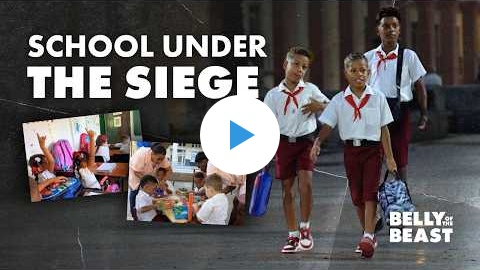
The impact of the Trump administration’s oil blockade now reaches into every aspect of Cuban life, including how children prepare for school and what teachers can offer once they arrive.
Still, students returned to their classrooms excited to begin a new year.
“I haven’t seen my classmates for about two months,” said Samuel Orta Pacheco, a middle school student in Havana. “Honestly, I’m really happy to be back here.”
The beginning of the new school year required families and educators to navigate blackouts, shortages and a transportation system starved of fuel.
Without fuel for school buses, many teachers and students have to walk long distances to attend their classes.
Getting to school is only the first hurdle. Cuba’s deepening food crisis is affecting students once they arrive.
The UN says Cuba’s food production has declined 60% since the Trump administration imposed an oil blockade earlier this year, while the cost of basic foods has spiked. As food grows scarcer and fuel shortages disrupt deliveries, feeding students at school cafeterias has become another daily challenge.
“Do you have any idea what it has meant for a country that was once accustomed to guaranteeing a properly balanced and adequate protein intake to now have to figure out how to even transport the food children need from one place to another?” asked Education Minister Naima Trujillo Barreto.
The effort required to keep children in school does not end when they leave the classroom. At home, families work around the blackouts, taking uniforms to neighbors with electricity to iron them and finding rechargeable lamps so children can study.
“Despite all the shortages because of the blockade,” said Zulema Rodríguez Leyva, a preschool principal, “we’re a country willing to give it our all.”
Watch our new video to see how Cuban families and educators are keeping children learning through blackouts and shortages.
