Pacific Standard Time in Cuba: blurring political, mental, and emotional barriers

The California State University jazz choir carried out a performance and exchange program with Cuban artists and music students in Havana.

by

Cultural exchange between Cuba and the United States has been one of the Trump administration’s first targets regarding the island.

In August 2024, the U.S. Embassy in Havana reactivated the possibility of processing work and exchange visas, including those for international cultural exchange programs. In February of this year, a month after Trump took office, his administration returned dozens of passports without a visa because they had been processed by Cuban government agencies.

At the time, Cuban Deputy Foreign Minister Carlos Fernández de Cossío told the AP that with this gesture, the U.S. government “announced that it is suspending the application process for a group of visa categories used for government officials and their agencies,” asserting that the decision “directly affected bilateral exchanges that were taking place in areas of mutual interest and benefit to the peoples of Cuba and the United States, such as culture, health, education, science, and sports.”

This measure not only compromises the ability of Cubans to visit the United States for activities in these areas. Two weeks ago, the federal government canceled a trip to the island for a jazz band from a Vancouver, Washington, school. The Office of Foreign Assets Control informed them in a letter they received as they were preparing for their flight that their trip “would be incompatible with the policy of the United States government.”

In this context, the fact that Pacific Standard Time, the main jazz choir of the Bob Cole Conservatory of Music at California State University, Long Beach, has managed to reach Cuba and carry out a program of performances and exchanges with Cuban artists and music students, has been something of an oasis in the desert.

Making the visit a reality was in the hands of Royce Smith, Dean of the College of Arts at the university, for whom cultural exchanges have become a life goal for more than a decade.

“I think my interest began with the ban. When someone tells you that you don’t have the right to go somewhere, it sparks interest; it has the opposite effect on the soul of a creative and curious person,” Smith told OnCuba.

A week to change perspectives

“I really feel like my perspective on life has changed,” sums up her experience Maggie Robertson, one of the singers of Pacific Standard Time, made up of 13 voices, a musical base with bass, piano, and drums, and directed by maestro Christine Guter.

During their week on the island, the group gave four concerts in very diverse venues, a program of performances designed to reach diverse audiences: the Hotel Claxon, the University of the Arts, the National Museum of Fine Arts Theater, and the Fábrica de Arte Cubano.
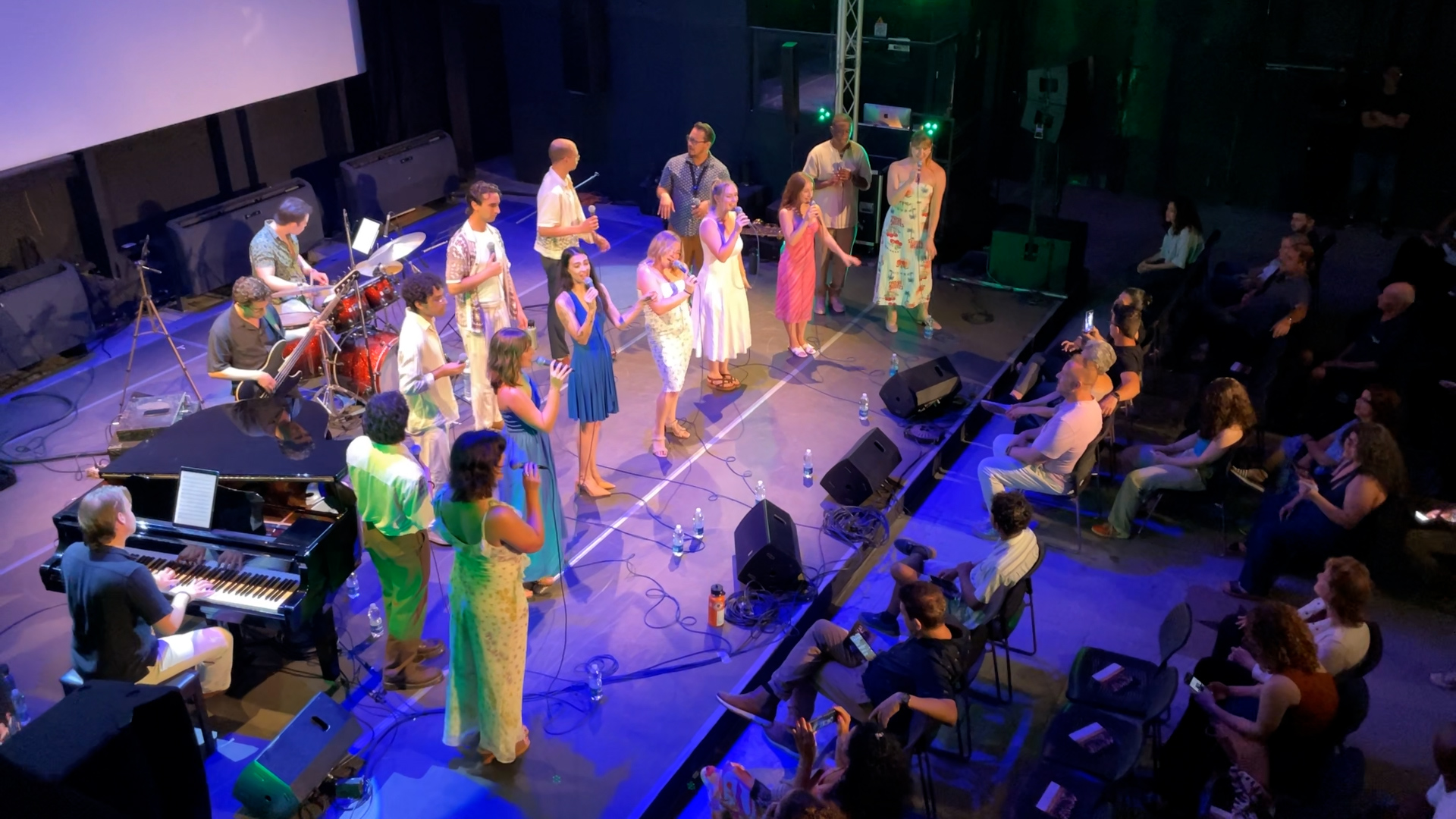
Section 3 of the Fábrica de Arte Cubano was the venue for Pacific Standard Time’s last concert in Cuba. Photo: Lied Lorain.

The high quality of their musical proposal is unquestionable and is backed by 14 consecutive years of winning the DownBeat Student Music Awards, the most prestigious awards in jazz education in the United States.

“I like to choose repertoire that is inspiring, uplifting, and healing. It’s important for musicians to also be healers, because the world is so conflicted right now, and we want to contribute something good,” says Christine Guter, who, like the rest, was visiting Cuba for the first time. 
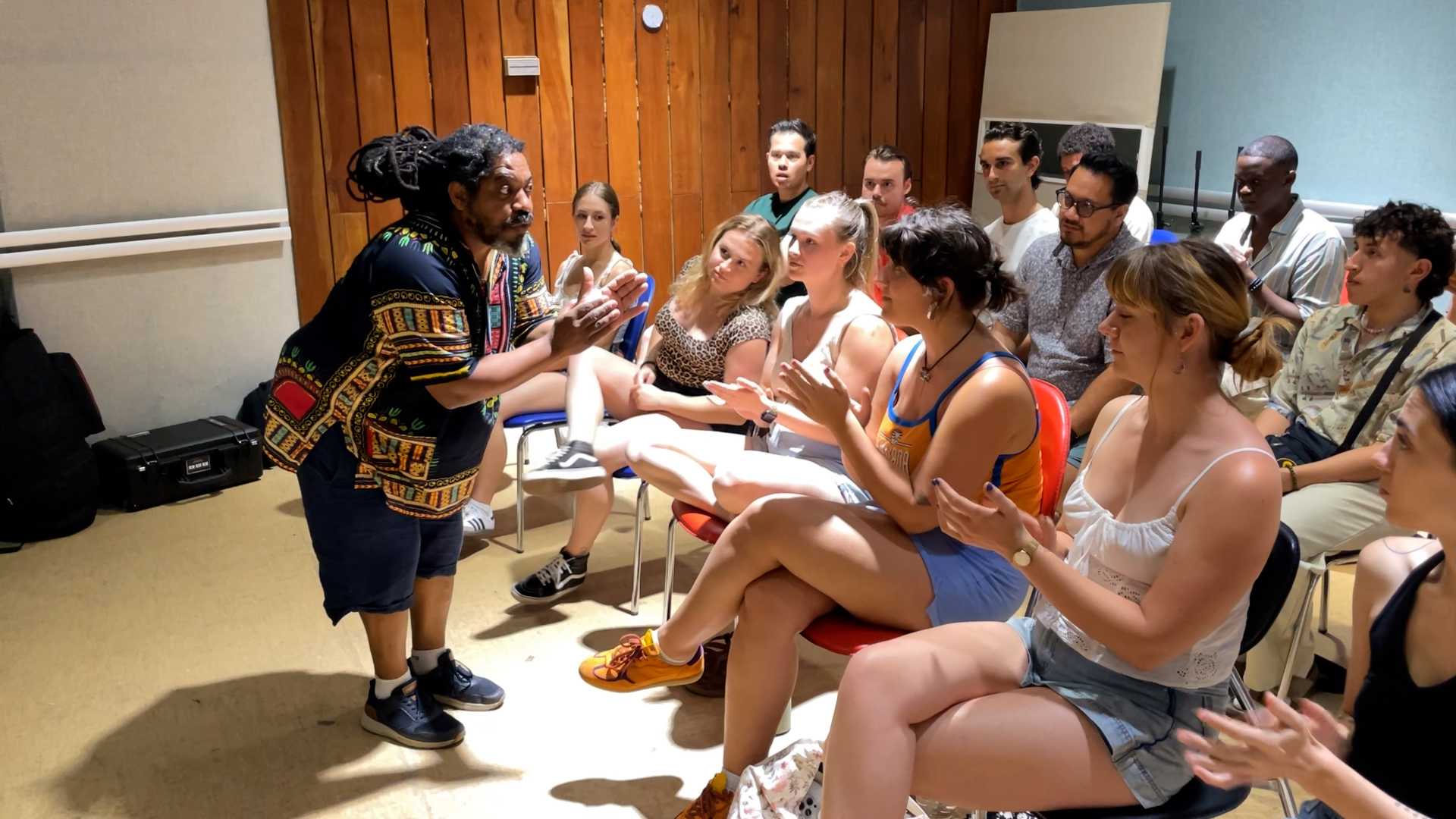
Cuban percussionist Yaroldy Abreu gave a master class for the members of the U.S. jazz choir. Photo: Lied Lorain.

The group went to the Manuel Saumell Elementary Music School, exchanged with the Cuban National Choir at its headquarters, attended a concert by Isaac Delgado, and received master classes in popular music and Cuban percussion with musicians from the Los Van Van band and Yaroldy Abreu.

Every minute was made the most of to make this a tour of true appreciation for Cuba and its culture.

“We love Latin music, and Cuban music and jazz are very intertwined. We have a lot to learn about Cuban music and culture. I thought it would be a truly wonderful opportunity to learn from you and to share our music with you. It has been incredible, nothing we could have imagined,” Guter said.
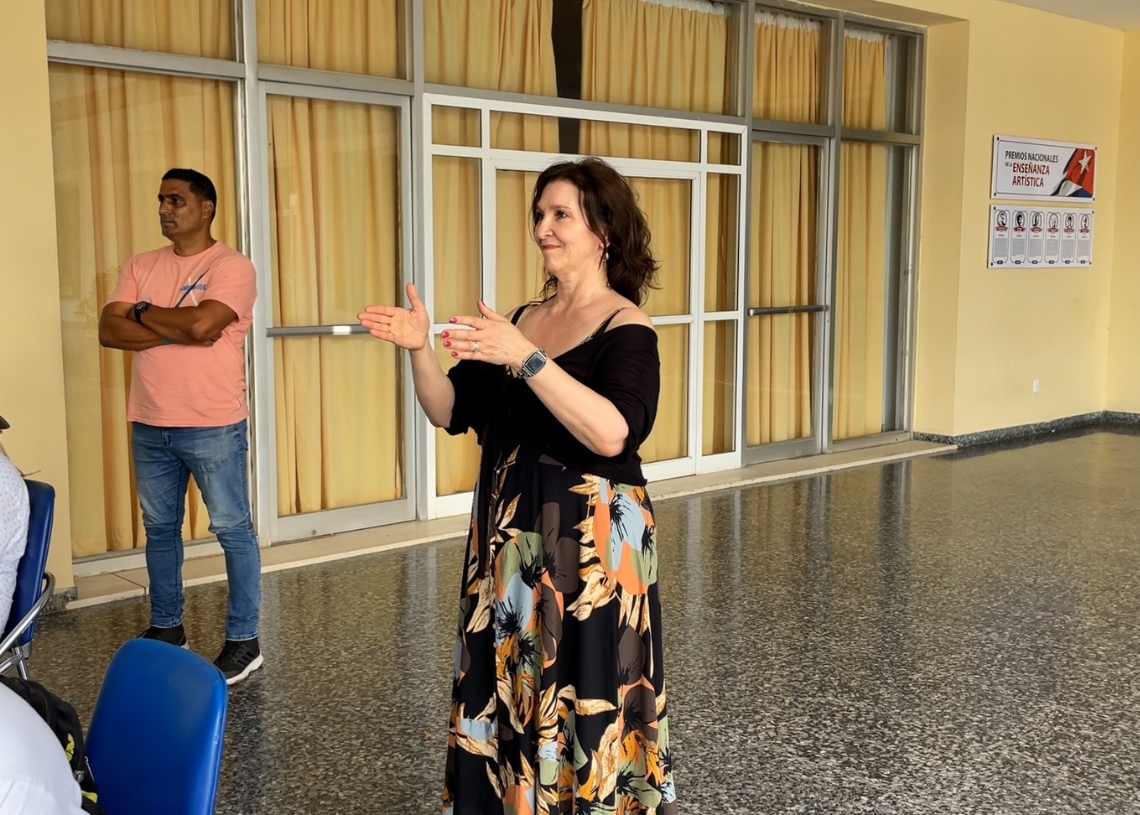
Christine Guter, director of the Pacific Standard Time jazz choir. Photo: Lied Lorain.

Theirs is a collective approach that manifests itself in diverse ways, as each member takes home a personal experience.

For Ace Homami, one of the voices of PST, what impressed him most was “the people, the music, the art in general, which is not only within the art scene itself, but throughout Cuba. There have been so many moments where I’ve looked around and thought how incredibly lucky I am to be here to experience this culture, this atmosphere.”

“Being in Cuba has been one of the most enriching experiences of my life. It’s been crazy how many things have happened that are so different not only from what happens in the United States, but from what I thought they could be. And it wasn’t just enriching musically, which it was, but enriching for my soul, for my personality, for me socially,” Robertson explains regarding the aforementioned change of perspective.

Perhaps one of the strongest feelings was experienced by Max Smith, the grandson of Cubans who emigrated to the United States in the 1960s. He is the first in his family to travel to Cuba since then. His story was shared on every stage where he performed. 

“It’s incredible to be here, to experience this, and to connect with my roots and the culture I’d never been in contact with before. The people here are very generous and have made that connection possible for me; they’ve made me feel welcome,” Max told OnCuba.

Perhaps the most meaningful thing for him is the vision of the island in which he landed here and what he has to say upon his return.

“It’s very different from what I’ve been told about Cuba; I think it’s very different from what it was like in the 1960s. I’ve been able to learn a lot about the people, the food, and the music. I’ll tell them to come and see for themselves.”
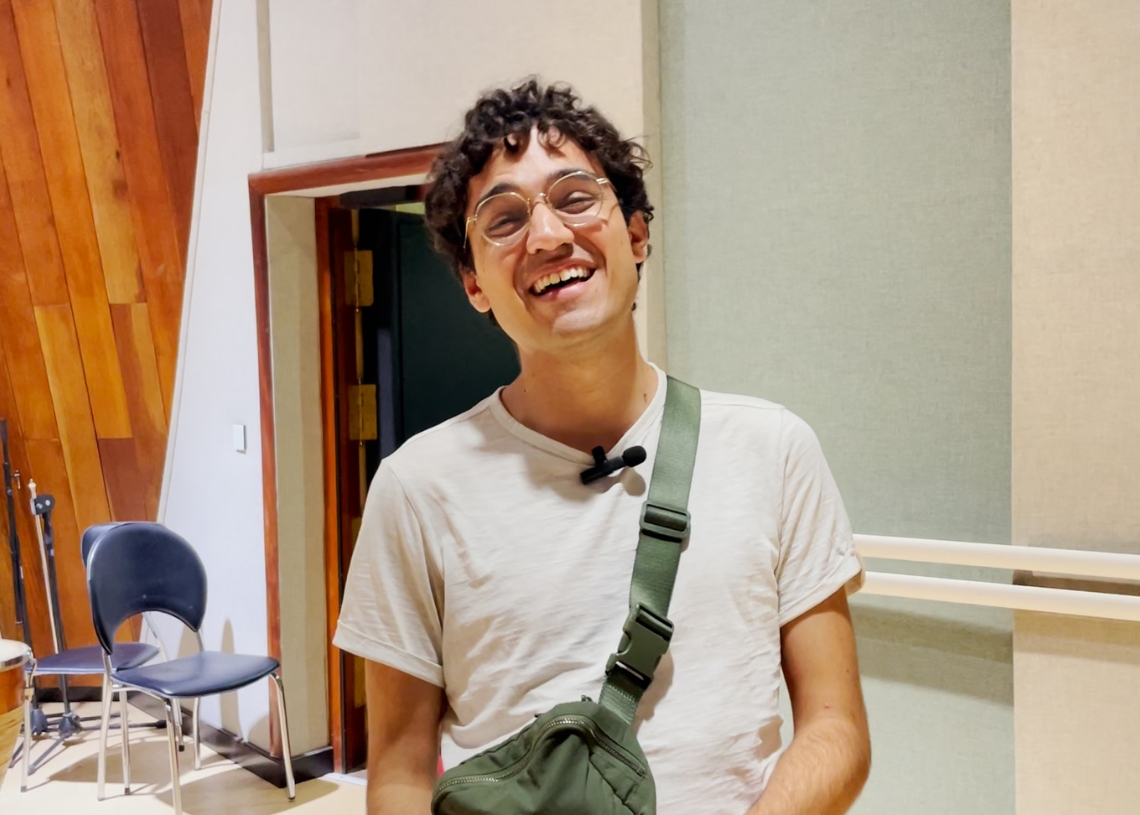
Max Smith, lead singer of Pacific Standard Time, is the grandson of Cubans, and this trip was his first connection with his roots. Photo: Lied Lorain.

Giving and receiving

In 2011, Royce Smith arrived in Cuba with a group of students to visit the Havana Biennial. Since then, he has included contact with the island in his career as a teacher and curator. 

He is currently the Dean of the College of Arts at California State University and has also held this position in the College of Arts and Architecture at Montana State University-Bozeman. He is a professor of art history, and his work as a curator has included him in important biennials, such as the one in Asunción, Paraguay, the one in Curitiba, Brazil, and the one in Havana.

“I started speaking Spanish when I was 12, and my parents taught me that there are many more people who have the right to call themselves Americans, who live in other parts of the Americas, that it is plural. And from that moment on, an interest in exploring that world was born, and Cuba as well,” Smith says.

“I spoke with my students, and we discovered that, using the connection of music and the visual arts, we always had the right to move from the United States to Cuba. The arts have always been the bridge between the two countries. And using that, we have tried, through collaborations with Cubans and Cuban institutions, to create more ties, more opportunities for exchanges,” he says.
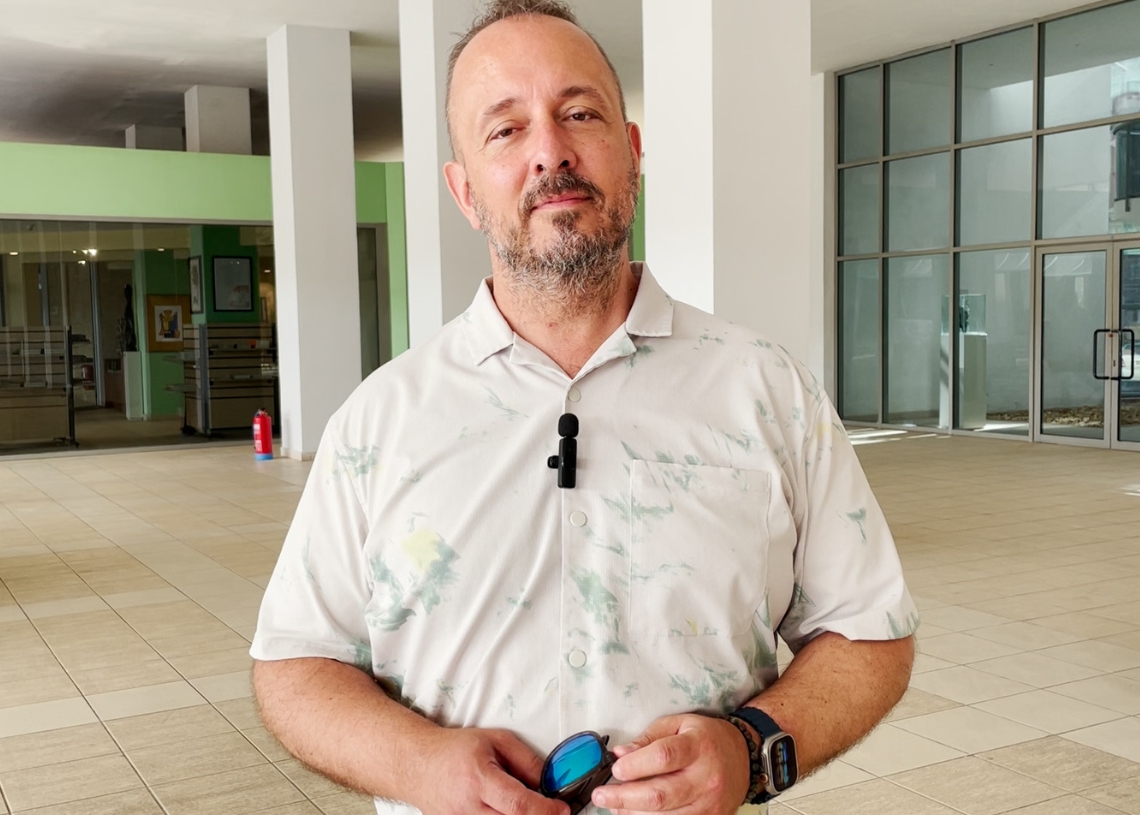
Royce Smith, Dean of the College of Arts at California State University, Long Beach, has been leading cultural exchanges between the two nations since 2011. Photo: Lied Lorain.

As a professor and dean, he does his best to allow his students to have experiences like this.

“A university is a space dedicated to developing the wisdom of various disciplines, because artists have to be masters of their own techniques. But the question is how they translate that wisdom to a completely different cultural context, one with its charms, its history, its specific practices and customs.

“And the students learn flexibility, they adapt to the Cuban rhythm. That’s super important, because they have to find, discover another part of their artistic soul to be successful. There’s something that’s been awakened, which I see in their faces, in their way of presenting themselves, of expressing themselves. And that’s truly the gift that Cuba has given them.”
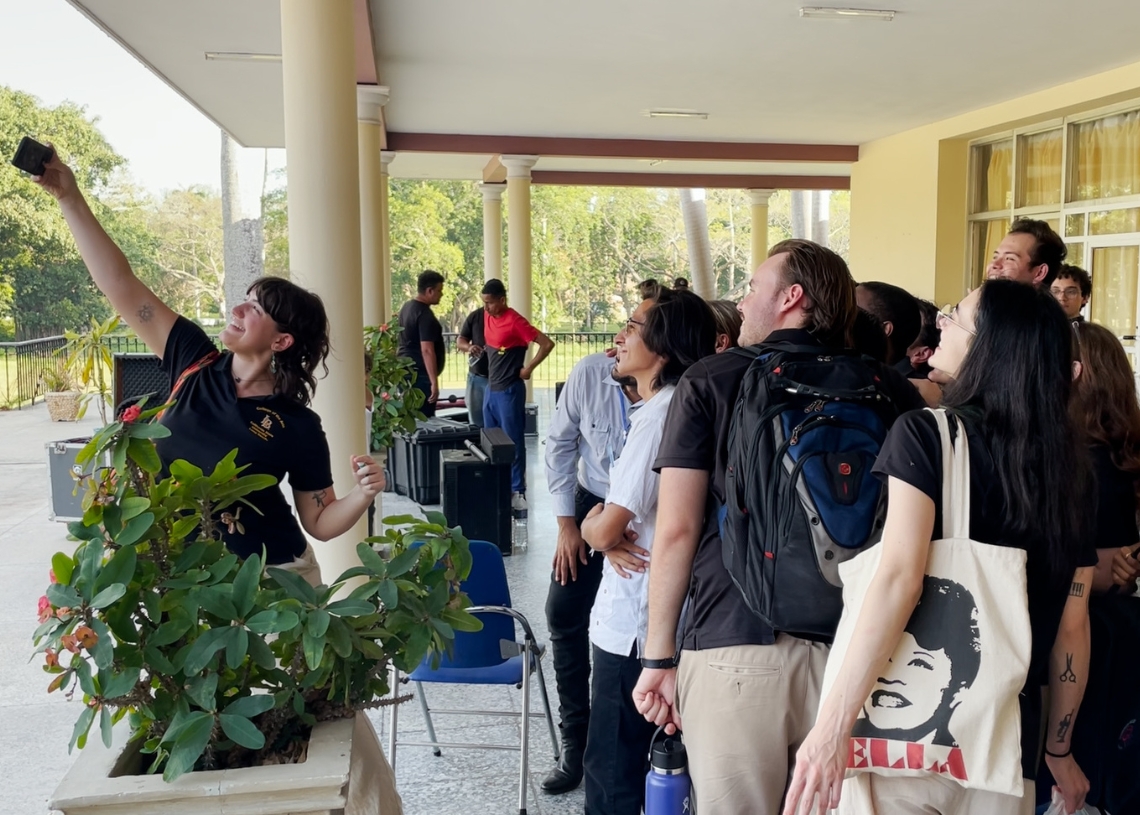
Members of the Pacific Standard Time taking a selfie with students from the Higher Institute of Art in Cuba. Photo: Lied Lorain.

But it’s an exchange; it’s about giving and receiving.

“I always want to dedicate myself to creating a world where we can collaborate. We are neighbors. We share stories, experiences, oppressions, successes, goals, visions, and it’s been that way for hundreds of years. We have to respect each other, be honest, open, listen, and have patience.

“My goal is that through the arts we can soften that relationship a little. We have a responsibility to be leaders in peace, in conversation and dialogue. And I’m committed to doing that with my students, with my own professional practices. And that’s why I love Cuba,” Smith concludes.

Posted in Exchanges | Leave a comment

Bridges of art: interview with Alejandra González and Adán Perugorría about the Art Exchange Festival

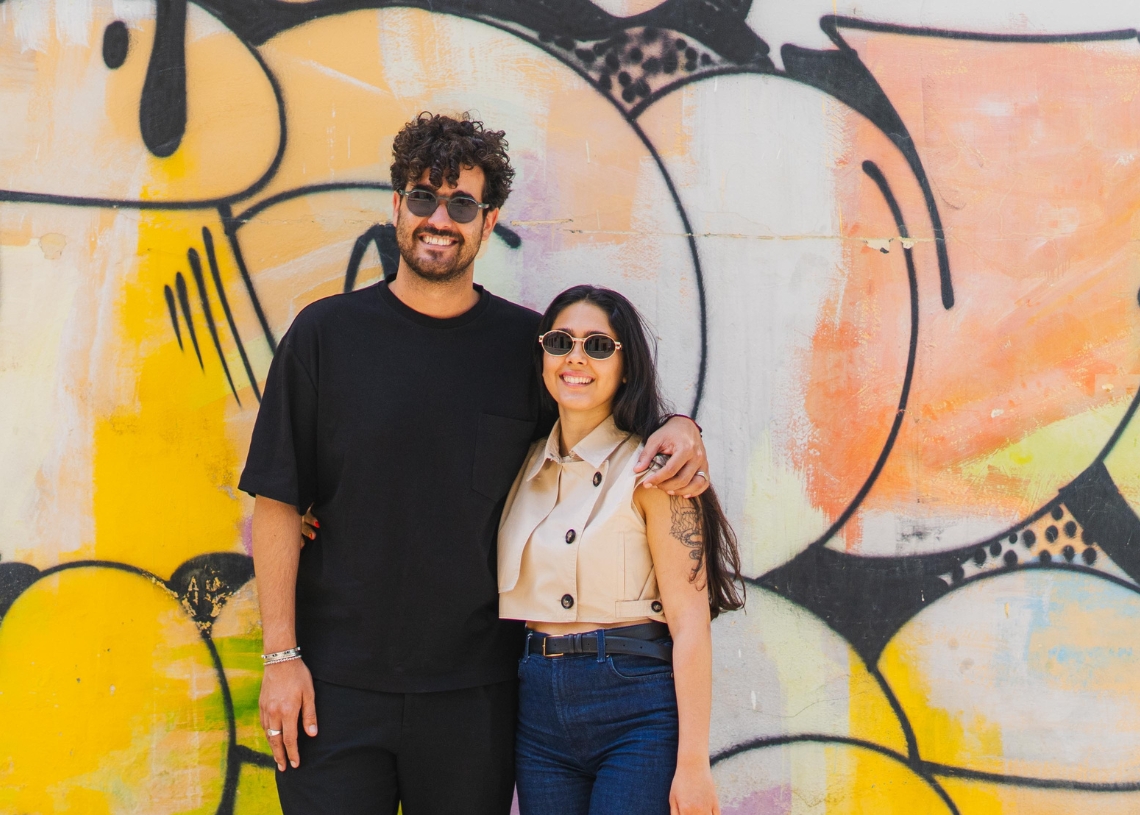
Adán Perugorría and Alejandra González, founders of the Art Exchange Festival. Photo: MadWoman.

An independent initiative seeking to strengthen cultural ties between Cuba and Spain through contemporary art.

by

The Art Exchange Festival (AEF) emerged in 2023 as an independent initiative seeking to strengthen cultural ties between Cuba and Spain through contemporary art.

Founded by Alejandra González (Alejandra Glez) and Adán Perugorría, this festival has established itself since its first editions as a space for artistic, social and educational exchange. They are currently preparing the 2025 edition, which will be held in Havana from November 4 to 11.

In this interview, the two share the motivations, challenges and future vision of this platform, which is already beginning to make its mark on the international cultural scene.

Festival’s inspiration and origin

What inspired the creation of AEF, and how did the idea of ​​connecting different cultures through art come about?

Alejandra: The idea was born out of the need to create a bridge between Spain and Cuba, two countries that share cultural roots and with which both Adán and I have a deep connection. We envisioned offering opportunities to Cuban artists who often lack access to international stages, but also enabling Spanish artists to discover Cuba’s cultural wealth and share their artistic practices.

Photo: Courtesy of Art Exchange Festival.

How would you describe AEF’s main mission and what do you hope to achieve in the long term?

Adán: The mission is to promote a set of values ​​through the cultural exchange that takes place thanks to this project, both in Havana and Madrid. We want to grow in these places and expand to other countries, broadening our artistic network to generate a broader and lasting impact.

What does the festival’s program entail?

Alejandra: The program seeks to showcase the cultural reality of each city through visits to local artists’ studios, art universities, galleries, and other spaces of knowledge. This way, participants understand how artists work here, how their educational process works, and exchange techniques before collaborating or holding joint exhibitions.

Photo: Courtesy of Art Exchange Festival.

Art’s role in intercultural strengthening

What role do you think contemporary art plays in strengthening cultural exchanges and social transformation?

Alejandra: Art is essential for driving social change because it invites reflection and brings people closer to the most sensitive side of humanity. One of the main objectives of the festival is precisely to achieve that connection between people, because we are building a message through these two countries. Thanks to art, there can be exchange, fluidity, and opportunities for these artists.

Photo: Courtesy of Art Exchange Festival.

Memorable moments

What have been some memorable or transformative moments in past editions?

Alejandra: The most notable are the reactions of both Cuban and Spanish artists. When Spaniards visit Cuba, they fall in love with the country; they truly enjoy the experience. Adán also makes sure everything runs smoothly for them, which makes them want to return every time. They love spending time with local artists, learning about their ideas, and seeing how they improve their techniques.

On the other hand, Cuban artists who travel to Spain have equally enriching experiences. They visit museums, learn about Spanish culture, and many are even moved and cry in front of works of art they only knew from books. These experiences confirm that we are achieving our goal.

Photo: Courtesy of Art Exchange Festival.

Evolution and scope

How has AEF evolved from its inception in 2023 until now?

Adán: This is a 100% independent festival, born as a personal dream of mine and Alejandra. We’re already in our third edition; we never thought we could do it alone, but we jumped in without much hesitation. We’ve seen the project grow with each edition; today we can say it’s a mature initiative, although there are challenges, such as getting people to trust a project like this and ensuring it can have a real impact on the society where it takes place. But I believe it’s entirely possible. The ultimate idea is to leave a mark on all the people who participate and collaborate with the festival, and I think we’ve achieved that. Many young Cuban artists have managed to exhibit in museums or receive scholarships thanks to the festival; it serves as a platform to catapult their work.

Photo: Courtesy of Art Exchange Festival.

Financial challenges and community support

What challenges have you faced in organizing a non-profit international festival, and how have you overcome them?

Adán: It’s an independent project that doesn’t seek profit; our goal is to promote art because that’s what we dedicate our lives to. One of the biggest obstacles has been securing funding, because it’s a project that doesn’t produce money, but rather things that are much more important for the soul, but not material ones. To finance the festival, we’ve relied on our own funds, support from embassies, private sponsors, and even donations of works from artists. Everyone who participates contributes out of a love of art, from the artists to those who manage or produce the event.

Photo: Courtesy of Art Exchange Festival.

Personal motivations

What motivated you personally to dedicate yourself to creating a cultural bridge through art?

Alejandra: My main motivation was experiencing the difficulties I faced within Cuba in accessing artistic opportunities. Once someone gave me the opportunity and I was able to settle in Spain, my host country, I thought about focusing my contacts, my life experience, and my desire to help people on the island, as well as Spaniards who were interested in learning about other realities. I knew that something great could emerge from that need. So I discussed it with Adán, and it was incredible because we both had a synergy when it came to thinking about the project; thus, the Art Exchange Festival was born.

Adán: I was born into a family of artists; I was always surrounded by art. From a young age, I fought to promote our cultural values. This project was a natural way to continue that fight: to promote Cuban art from an international perspective. My previous experience with national galleries paved the way for me to make it possible.

Adán Perugorría. Photo: MadWoman.

Social impact and local community

How do you think AEF can influence the local and international communities where it takes place?

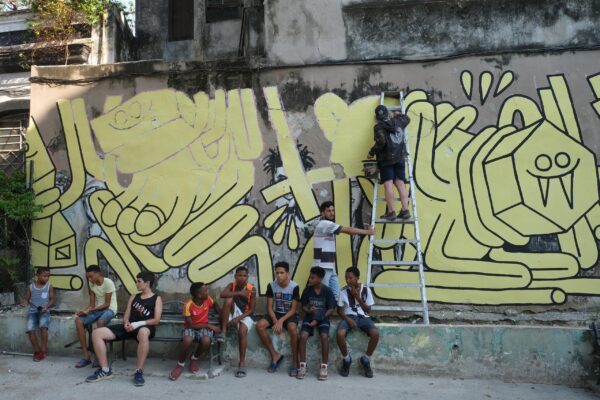
Adán: When artists come to Havana, they generally stay for a week in a residency above our Gorría Gallery-Workshop, located in Old Havana. There, they live with neighborhood residents; a deep relationship is created between them and the local community. The residents take care of the murals created by the artists because they feel they are part of the project. We have murals in the neighborhood that are over five years old and are still there.

This inclusion within the community and the connection created with people who come from other countries is wonderful. The same thing happens in the exchanges with students, with children, during the workshops we teach. Little by little, this different imaginary is built, that there is much more than just what you see around you, because the world is very big, and we, living on an island, believe that our reality is the only possible one. We think there is nothing beyond the sea, and yes, there is much more. 

I believe this festival helps people rethink their personal perceptions and their ideas for the future. I feel that this reflection is one of the most powerful ways we can have an impact on people.

Photo: Courtesy of Art Exchange Festival.

Community building

How important is it to you to create a strong community around the festival?

Adán: The experiences of those who participate are fundamental to our growth; each artist becomes our ambassador to the world: many take our message wherever they go, thus helping to strengthen the festival’s international presence.

Alejandra: Sometimes it feels like we’ve built a big family, because with each edition, bonds are created between the participating artists. They barely know each other when they arrive, and during the experience, they bond with each other, they bond with us. It’s like a family that grows little by little each year.

What would you like the public to understand or feel after learning more about the AEF?

Adán: The idea is for this festival to reach more people. All Cuban artists with artistic interests are invited to join our project. They can visit our website or social media and contact us; we are open to collaborating with anyone interested in joining or learning more about our work.

A living bridge

The Art Exchange Festival represents much more than an artistic event: it is a living bridge between two sister cultures that seek to enrich each other through creative dialogue.

With each edition, Alejandra Glez and Adán Perugorría consolidate their commitment to promoting art as a tool for social and intercultural transformation, leaving an indelible mark on both Cuba and Spain. 

Their future vision calls for even greater global expansion — through fostering international artistic networks — while strengthening responsive and inclusive communities wherever it is held.

Posted in Exchanges | Leave a comment

Cuba elected to General Committee of World Health Assembly

ByJoanne ClarkCaribbean National Weekly

Cuba has secured a seat on the General Committee of the World Health Assembly (WHA), the decision-making body of the World Health Organization (WHO), marking a significant role for the country in shaping global health policies.

The 17-member General Committee is responsible for overseeing the procedural operations of the Assembly, including agenda setting and facilitating discussions on key issues affecting international health.

The announcement comes as the 78th World Health Assembly opened on Monday at WHO headquarters in Geneva, Switzerland. As part of the Assembly’s opening events, the Cuban delegation met with WHO Director-General Dr. Tedros Adhanom Ghebreyesus to discuss ongoing and future collaborations.

Cuba’s Minister of Public Health, Dr. José Ángel Portal, is leading the delegation and has already engaged in several bilateral meetings. On the first day of the Assembly, Dr. Portal signed a Memorandum of Understanding on healthcare cooperation with Oman’s Minister of Health, Dr. Hilal bin Ali bin Hilal Al Sabti.

His itinerary also included visits to the GAVI Vaccine Alliance headquarters, where discussions focused on vaccine-related initiatives, and a meeting with executives from the Global Fund to Fight AIDS, Tuberculosis, and Malaria.

– Advertisement –

This year’s Assembly will run through May 27 and is expected to adopt more than 40 resolutions. High on the agenda is the anticipated Treaty on Future Pandemics, along with global health priorities such as the eradication of cervical cancer, lung and kidney health, rare diseases, diagnostic imaging, skin disorders, traditional medicine, lead exposure, and sustainable health financing.

Posted in Healthcare | Leave a comment

Honduran minister praises Cuban doctors’ selflessness

Tegucigalpa, May 23 (Prensa Latina) The Minister of Science and Technology of Honduras, Luther Castillo, today praised the work carried out by Cuban medical brigades in more than 100 countries, including some with high levels of development.

By Eduardo Rodríguez-Baz

During a pleasant conversation with Prensa Latina in Tegucigalpa, Castillo shared his assessments of 62 years of Cuban medical cooperation worldwide, which began in 1963 with the arrival in Algeria of a contingent of health professionals from the largest of the Antilles.

Over six decades, some 600,000 health workers from this small Caribbean island carried out missions in 165 nations, with achievements such as the fight against Ebola in Africa, blindness in Latin America, cholera in Haiti, and the COVID-19 pandemic.

Warmth, comprehensive patient care, and the ability to feel the pain of others and serve the most vulnerable with all the love and openness in the world are traits that distinguish Cuban doctors, the young minister emphasized.

A graduate of Havana’s Latin American School of Medicine (ELAM), the Secretary of State said that the passage through this Central American nation of numerous Cuban brigades has been “the deepest relief for bearing the pain of the poorest, the most vilified in this country.”

He recalled that the first of these groups of “white coats” landed in Honduras in 1998, immediately after the devastating Hurricane Mitch, which left a trail of destruction and thousands of lives lost in its wake.

“One of the unique features of this aid is that the Cubans came here and traveled to the most difficult-to-reach areas; they didn’t go to the big cities, but to those places where they could take on the pain of our mothers and grandmothers and treat them without shame,” he emphasized.

After training as a doctor at the prestigious ELAM, Castillo is recognized as the first Honduran, and also a member of the Garifuna ethnic group, to graduate from Harvard University with a postgraduate degree in Public Policy and Management and a Master’s degree in Public Administration.

On behalf of the Honduran people, we are grateful for this Cuban collaboration, which has touched our people with divine hands, those most in need, to provide them with comprehensive care, he said.

Regarding how this cooperation is currently implemented, he explained that there are more than 100 doctors from Honduras, distributed in public hospitals and providing care in certain specialties that we don’t have.

“Today, we have a flagship geriatrics program, run by the National Institute of Retirement and Pensions for Employees and Officials of the Executive Branch and the National Institute for Teachers’ Welfare.

Cuban geriatricians caring for our elderly population who are already retired, he added.

He also praised the impeccable work of the well-known Operation Miracle, which was previously in Honduras, dismantled after the 2009 coup d’état against then constitutional president Manuel Zelaya (2006-2009) and returned to the country with the victory of President Xiomara Castro.

This team of Cuban ophthalmologists performs free surgeries in three clinics located in Siguatepeque (Comayagua), Colinas (Santa Bárbara), and Tegucigalpa, where they treat conditions such as cataracts, pterygium, chalazion, and other eye conditions.

“Surgeries that cost thousands of lempiras (the Honduran currency) and that people can’t afford because they’re so expensive,” he said.

He emphasized that “Hondurans are aware of the significance and value of this specialized medical care; they know its cost.”

When questioned about the U.S. government’s fierce crusade against Cuba’s international medical contributions, the Honduran Minister of Science and Technology opined that the U.S. administration is deeply aware of the significance of the work of the island’s doctors.

“That’s why (Washington’s) concern is building narratives to try to denigrate this work, to tarnish the very humane and profound mission that Cuba carries out in the world,” he said.

This isn’t a new campaign; it’s been going on for a long time. All they do is occasionally change the narrative and the conceptualizations, he warned.

“But nothing they implement can delegitimize the divine work of Cuban doctors internationally, touching and healing wounds and souls, always putting themselves in the patient’s shoes,” he asserted.

In his opinion, no concept, no matter how degrading, can undermine the altruism of the Caribbean country’s healthcare workers, as well as their scientific and technical quality and the impeccable humanism they profess, he emphasized.

All those who have been touched by those wonderful hands, from all walks of life, bear witness to the immense work created by the Cuban Revolution, and bear witness to what it means to be treated by Cuban doctors, he emphasized.

Latin America and the Caribbean, he said, are deeply grateful to these brigades that help so much to improve the lives of our people.

When asked by Prensa Latina about his professional training at the Latin American School of Medicine, the minister considered the Caribbean nation his second home.

“More than 31,000 doctors from a hundred countries—that’s the reach of ELAM graduates, who have become ambassadors who can speak the truth about the Cuban Revolution and recount the greatness of that project, not from what they read in books, but from what they experienced firsthand,” he added.

“Standing alongside a people in need, but who knew how to share with us the best they have, not what they have left over, is a difficult concept to understand in this neoliberal context, but that is true solidarity,” Castillo noted.

For the Honduran doctor, that is the essence of the Cuban medical teachings we learned at ELAM.

“As the heroic guerrilla fighter said, being able to always feel, deep down, any injustice committed against anyone, anywhere in the world, is the most beautiful quality of a revolutionary doctor,” the minister concluded, paraphrasing the Argentine Ernesto Che Guevara.

mem/edu

Posted in Exchanges, Healthcare | Leave a comment

Cubans living in Spain reaffirm solidarity with their homeland

Cubans living in Spain reaffirm solidarity with their homeland

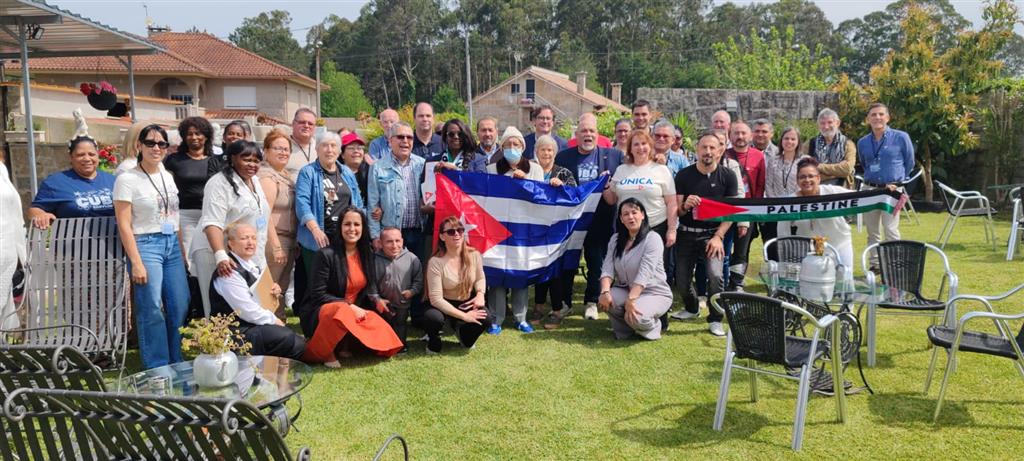
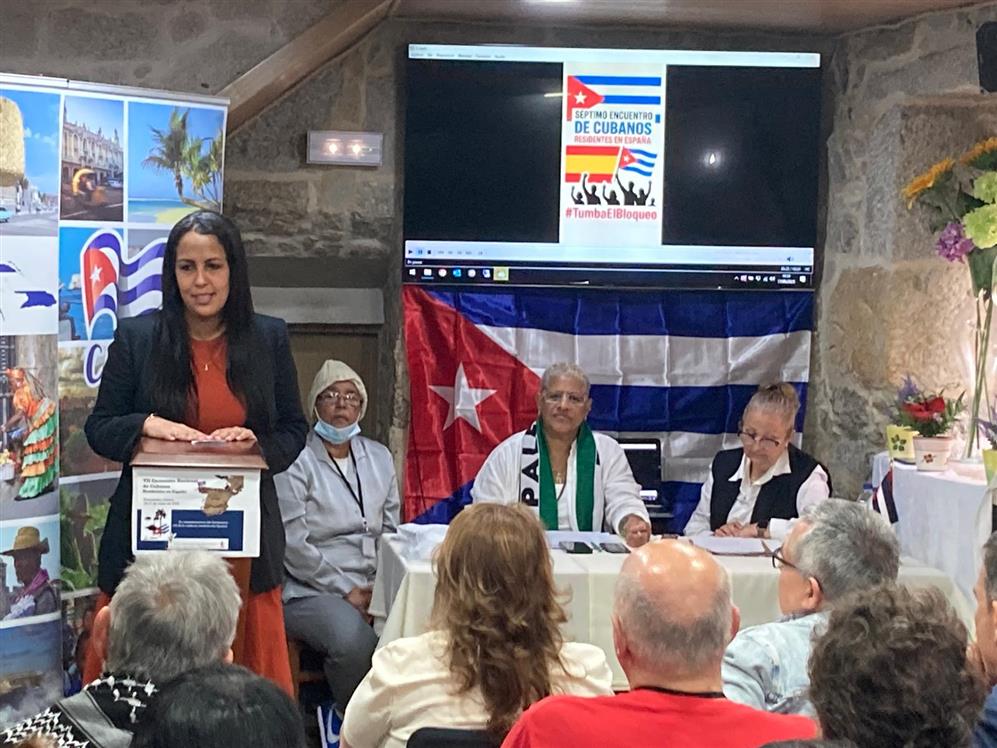
Madrid, May 18 (Prensa Latina) The VII National Meeting of Cubans Residing in Spain concluded today in Galicia, with a call for unity, support and solidarity, and condemnation of the U.S. blockade.

The event took place in Vilaboa de Pontevedra, as part of the tribute to Cuban National Hero José Martí, commemorating the 130th anniversary of his death in combat on May 19.

The meeting allowed the Federation of Associations of Cubans Residing in Spain (Facre) to review the activities carried out over the past three years with Spain, which included the shipment of a container and more than 14 tons of donations to health centers, social projects, and institutions.

The groups demanded an end to the U.S. economic, commercial, and financial blockade, which has lasted more than six decades, and strongly denounced the unjust inclusion of Cuba on the list of countries that allegedly sponsor terrorism.

Cubans residing in Spain

The Cuban Consul General for Galicia, Asturias, and Cantabria, Ingrid Izquierdo, gave the opening remarks at the two-day meeting, which also included a speech by the Tourism Counselor at the Cuban Embassy in Spain, Niurka Pérez Denis, who spoke about the impact on the sector and the work with travel agencies.

For his part, the Minister of Economic, Trade, and Cooperation, René Capote, addressed matters related to his area of ​​responsibility, including donations and ties to charitable organizations.

The Cuban ambassador to Spain, Marcelino Medina, delivered the closing remarks at the event, which was marked by enthusiasm and a commitment to combating U.S. measures against the island, aimed at economically stifling the country, causing significant hardship and difficulties.

The final declaration of the 7th Meeting of Cubans Residing in Spain reiterated its condemnation of Washington’s economic siege and the additional measures rapidly implemented by the Donald Trump administration.

At the same time, the text rejected the defamation campaigns against the humanitarian work carried out by Cuban medical cooperation in various countries, “which is recognized worldwide for its altruism and internationalism.”

Cubans living in Spain express solidarity with Cuba

In another development, they denounced the tendency of the far right in the European Parliament, influenced by the US, “to hinder Cuba’s relations with the European Union and the existing agreements between the two parties.”

“We reaffirm our commitment to defending Cuba’s sovereignty and independence, signifying that our people, of which we are a part, have the right to choose their own destiny and follow the paths of the Revolution and socialism,” the declaration stated.

Initiatives to contribute to the promotion of identity, culture, ethical and historical values, tourism image, and the Cuban destination, as well as defending the country from slander, are among the topics on the horizon of these associations.

Furthermore, the fight against hate speech, distortions of Cuban reality, and defamation campaigns promoted by its enemies are included in the proposed immediate actions.

rgh/ft

Posted in The Blockade? | Leave a comment

A workshop against the blockade of Cuba was held in Germany.

Berlin, May 18 (Prensa Latina) The Association for the Right to Peace in Germany (Ialana) organized a workshop titled Litigation Strategies Against Sanctions, to demonstrate the possibilities of legal action based on the example of Cuba.

The objective of the event was to connect different stakeholders and agree on opportunities and practical action options for strategic management in response to the effects of US measures in Germany and Europe, Ialana explained.

Possible approaches for legal action include human rights violations through the blockade against Cubans living in Europe, companies with ties and cooperation with the island, and solidarity organizations, the association reported.

The event was attended by the Embassy Counselor and Deputy Ambassador of the Republic of Cuba in Germany, Miguel Torres Tesoro; representatives of solidarity organizations such as Cuba Sí and Netzwerk Cuba; representatives of the German Section for a World without Nuclear Threat (Ippnw); and legal experts from Ialana.

Before the workshop began, a video was shown by renowned jurist Norman Paech, who presided over the Brussels Court’s ruling on the lockdown in 2023. Unfortunately, Paech was unable to attend for personal reasons.

Heiner Fechner, co-president of the organization, opened the event and announced the workshop’s objective, as well as the background to the association’s work on sanctions.

As he emphasized, the goal is to raise public awareness about the issue of sanctions against the Global South and discuss possible legal action.

Publicist and activist Joachim Guillard provided a broad political context for the blockade in the context of the changing world order, and also addressed sanctions in general.

Representatives of solidarity organizations reported on two cases in which banks refused to carry out transactions. These cases, according to the organization, could provide a suitable basis for future proceedings.

Miguel Torres Tesoro of the Cuban diplomatic mission in Berlin then explained the historical and legal framework of the blockade.

The deputy ambassador outlined Cuba’s diplomatic perspective on the situation and addressed the United States’ political objective of overthrowing the Cuban Revolution.

Finally, Ialana Executive Member Otto Jäckel presented on strategic litigation before German courts and discussed experiences, opportunities, and risks.

Specifically, it addresses the procedural possibilities and experiences in strategic litigation against German companies, the European Commission, and other potential defendants in the EU.

The workshop should be just the beginning of a larger project. Next year, the association plans a multi-day conference on unilateral sanctions against countries in the Global South, also inviting representatives from the affected states.

Ialana is an independent international organization of jurists committed to nonviolent conflict resolution and nuclear disarmament. The German branch was founded in 1989 in Bonn.

mem/kt

Posted in The Blockade? | Leave a comment

Cuba Stands with Palestine

Cuban and Palestinian students gathered on May 15 to commemorate the 77th anniversary of the Nakba – Israel’s ethnic cleansing and occupation of Palestinian cities and villages in 1948 – and condemn Israel’s ongoing genocide in Gaza. Watch our video about the event HERE.

Cuba has long supported the Palestinian struggle. Since Israel’s invasion of Gaza in October 2023, thousands of Cubans have hit the streets in state-organized marches in solidarity with the Palestinian people.

More than 150 Palestinian young people currently study medicine in Cuba, many of them from Gaza. Cuba has offered scholarships to Palestinian students to study for free on the island for decades.

WATCH From Gaza to Cuba, our documentary about Murid Abukhater, a Palestinian student from Gaza studying at Cuba’s Latin American School of Medicine (ELAM) who dreams of returning home to work as a doctor to help save lives.

Posted in Uncategorized | Leave a comment

Cooperation agreement fosters gender equality

SANTIAGO DE CUBA, Cuba, May 21 (ACN) A new collaboration agreement between the National Center for Sex Education (Cenesex) and the University of Oriente (UO) promotes scientific and cultural improvement of the environment with the aim of promoting respect for diversity and gender equality.

Aimed at strengthening professional and post-graduate training, expanding the extension work and directing technology and innovation activities towards social development, the agreement also confirms the position of the academy against manifestations of gender violence.

Mariela Castro, head of Cenesex, welcomed the opportunity to come to thS eastern province of Santiago de Cuba and establish formal ties with the alma mater, founded under revolutionary principles of equity and a promoter of an avid research activity.

According to Fidel La O, representative of the legal area at the university, the signing formalizes a strategic alliance between institutions committed to social transformation, as it reflects the will to work together in the generation of scientific knowledge and a culture of respect for diversity.

He underscored the opportunity to build a model of intersectoral work and constant feedback with public policies, while pointing out the high impact of future projects resulting from the current agreement.

The UO, with its tradition of service to the communities, and Cenesex, a local and international reference in terms of equity, join their capacities in order to build a world where integral health and respect for sexual rights are essential pillars, he said.

With the agreement, the institutions are taking steps to guarantee access to education and specialized information, family planning spaces and other sexual and reproductive health care services, in order to achieve the Sustainable Development Goals.

Posted in Uncategorized | Leave a comment

Cuba with its New Visa System will Change the Travel Landscape

May 21, 2025 — Travel and Tour World.com

Starting from July 1, 2025, it was announced that Cuba would introduce a new electronic visa (e-visa) system as a mandatory entry requirement for all travelers entering the country. This policy change would replace the previously used paper tourist card, which had long been a staple of Cuban travel regulations. The Cuban Ministry of Tourism had made this announcement in April of the preceding year, and the Government of Canada had subsequently updated its travel advisories to inform prospective travelers of this significant change.

This new electronic visa system would apply broadly, affecting most visitors, including Canadian citizens, who have traditionally been a significant segment of Cuba’s tourism market. The shift to an e-visa represented a modernization effort by Cuban authorities aimed at streamlining entry processes and better managing visitor flows, while also enhancing border security and data collection.

It was emphasized that Canadian travelers flying with major national carriers such as Air Canada, Air Transat, WestJet, or Sunwing might not need to take additional steps regarding the e-visa. According to Canadian government sources, these airlines were expected to include the cost and processing of e-visas in their airfare packages, effectively handling the visa application on behalf of their passengers. This arrangement was seen as a customer-friendly solution that could help maintain or even boost tourism from Canada, by reducing bureaucratic hurdles.

On the other hand, those travelers booking with other airlines, or those who might be transiting through third countries such as Mexico or the United States, were advised to take personal responsibility for obtaining their e-visas. The process was explained to be accessible online through the official Cuban visa portal at evisacuba.com or through direct contact with Cuban consulates in Canada, such as the consulate located on Décarie Boulevard in Montreal.

Applicants would need to pay a fee of 24 Canadian dollars for the visa. Payment options were flexible, allowing for Interac transfers, money orders, cheques, or direct payment at consulate offices. Once an application was approved, travelers were to receive an email containing a unique code along with a link to complete a mandatory travel declaration form called the D’Viajeros. This form was required to be submitted at least 48 hours before the traveler’s scheduled departure, serving as a pre-entry health and travel declaration.

The electronic visa granted single-entry permission, allowing visitors to stay in Cuba for up to 90 days. There was also an option to renew the visa once, permitting an extension for an additional 90 days and a maximum total stay of 180 days. This structure provided some flexibility for longer-term visitors, including those on extended holidays or business trips.

Authorities strongly advised travelers to ensure their passports remained valid for at least six months beyond their intended arrival date in Cuba. Additionally, travelers were reminded to secure valid medical insurance and to have a confirmed return ticket, essential requirements for entering Cuba under the new regime.

This transition to an e-visa system marked a major operational shift for airlines, travel agencies, and tourism stakeholders both within Canada and internationally. Airlines that did not previously include visa services in their ticketing packages might have needed to reassess their offerings and customer service approaches. Meanwhile, Cuban tourism infrastructure was expected to benefit from improved entry tracking and enhanced security measures.

Travel agencies and tour operators would have had to update their booking procedures and inform clients of the new requirements, ensuring compliance and a smooth travel experience. For smaller airlines or charter services without integrated visa handling, this policy could introduce added complexity and possibly deter some travelers unfamiliar with the digital visa process.

However, by simplifying and standardizing the visa application via an online platform, Cuba aimed to facilitate faster and more reliable entry processing, which could encourage higher traveler confidence and potentially increase visitor numbers over time.

For global travelers, particularly Canadians who constitute a large proportion of visitors to Cuba, the introduction of an e-visa would require increased awareness and preparation. While some might find the process straightforward, especially when using major airlines offering integrated visa services, others would need to be proactive in securing the visa independently.

Travelers flying through countries like Mexico or the U.S., which serve as frequent transit points to Cuba, would have to factor in additional administrative steps, potentially adjusting their travel planning timelines to ensure visa approvals well before departure.

The new system also emphasized the need for proper documentation, including passport validity and medical insurance, reinforcing Cuba’s efforts to align with international travel standards and public health considerations.

Overall, the policy could positively affect travel safety and border management but might also introduce minor inconveniences or learning curves for some travelers. Tourism stakeholders, including governments and travel service providers, would likely play crucial roles in educating and assisting tourists to adapt smoothly.

(Source link: Mtl)

Posted in Uncategorized | Leave a comment

Housing migrants at Guantanamo Bay costs $100,000 per day per inmate, senator says

Mike Bedigan

Tuesday 20 May 2025 The Independent

https://www.the-independent.com/news/world/americas/us-politics/guantanamo-bay-migrants-inamtes-cost-noem-b2754840.html

The astonishing figure may mean that President Donald Trump’s use of the naval base in Cuba costs almost 1,000 times more than housing people in U.S. immigration facilities

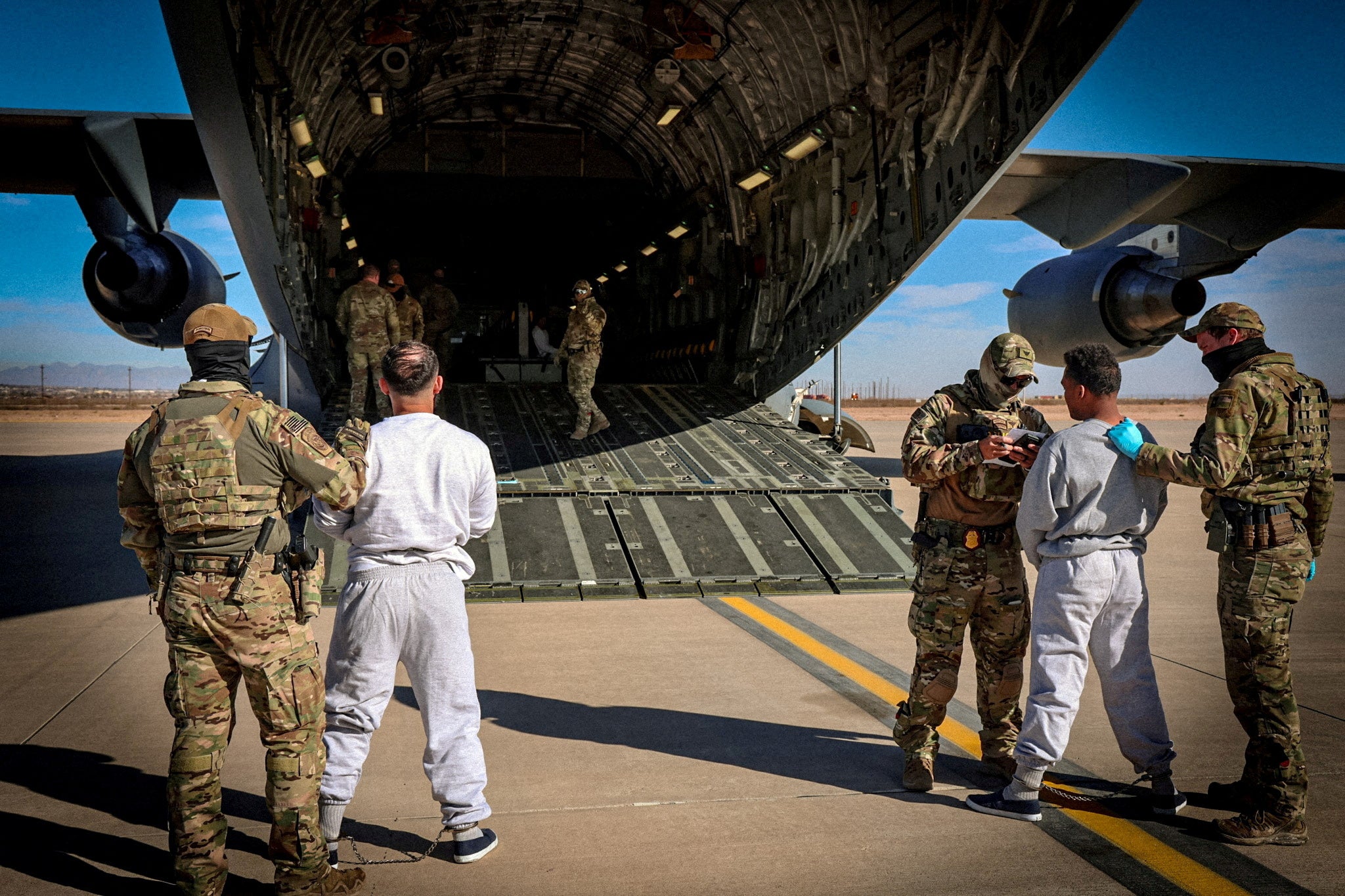
Housing migrants at Guantanamo Bay costs as much as $100,000 per inmate, per day, a U.S. senator has claimed, describing the set-up as “outrageous.”

The astonishing figure may mean that President Donald Trump’s use of the naval base in Cuba costs almost 1,000 times more than housing people in U.S. immigration facilities – which is $165.

The claims were made by Senator Gary Peters of Michigan during a hearing of the Senate Homeland Security and Governmental Affairs Committee on Tuesday, in which he and other members grilled Homeland Security Secretary Kristi Noem.

Peters, the top Democrat on the committee, decried the use of the facility as a prime example of wasteful government spending, highlighting that the Trump administration’s irrational shuttling of prisoners back and forth had also been at U.S. taxpayer expense.

Senator Gary Peters of Michigan claimed on Tuesday that housing migrants at Guantanamo Bay costs as much as $100,000 per inmate, per day – describing the set-up as ‘outrageous’
Senator Gary Peters of Michigan claimed on Tuesday that housing migrants at Guantanamo Bay costs as much as $100,000 per inmate, per day – describing the set-up as ‘outrageous’ (via REUTERS)

“We’re spending $100,000 a day to keep someone at Guantanamo,” Peters complained. “We keep them there awhile, then we fly them back to the United States, or we could keep them here for $165 a day. I think that’s kind of outrageous.”

Posted in Uncategorized | Leave a comment