Havana, February 18 (Prensa Latina) The director of the UNESCO regional office in Cuba, Anne Lemaitre, called on international organizations to show solidarity with this Caribbean nation, especially in the education sector.
Cuba is building one of the most universal, inclusive, and high-quality education systems, but the blockade it faces creates additional pressure, and after Hurricane Melissa, more than two thousand schools require support, added the high-ranking official of the United Nations Educational, Scientific and Cultural Organization (UNESCO).
Therefore, we urge international partners to mobilize flexible, rapid, and sustained funding so that every child and adolescent here can continue learning safely today and in the future, Lemaitre stated.
The cost of inaction would fall on an entire generation, declared the UNESCO representative at a press conference held in Havana to announce the results of work carried out during 2025.
UNESCO Cuba has been working on the cultural project “Socio-Emotional Route: Rebuilding Hope,” through which they visit schools and conduct interactive educational activities with students, teachers, and guest artists, which, she said, becomes a whirlwind of emotions.
They also provide resources for school repairs, among other materials and supplies to support education.
Lemaistre explained that after Hurricane Melissa, at least a thousand schools in eastern Cuba were left in need of repair, and she congratulated the Ministry of Education for its efforts in the recovery of these educational spaces.
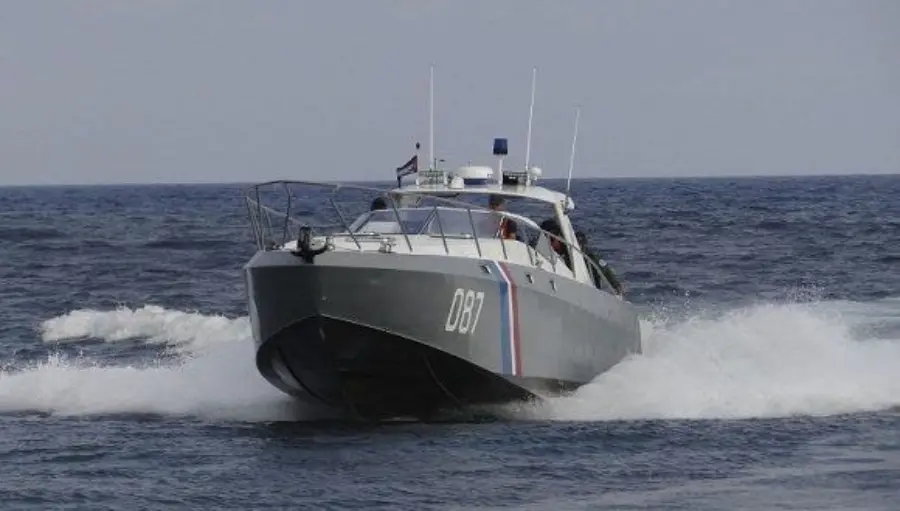
Cuban Border Guard Troops boat. The operation resulted in the seizure of assault rifles, handguns, improvised explosive devices (Molotov cocktails), bulletproof vests, telescopic sights, and camouflage uniforms. Photo: Cubadebate.
The investigation by the Cuban Ministry of the Interior established that 10 armed people were traveling on the boat, who, according to their preliminary statements, had infiltration plans for terrorist purposes.
February 25, 2026 — teleSUR
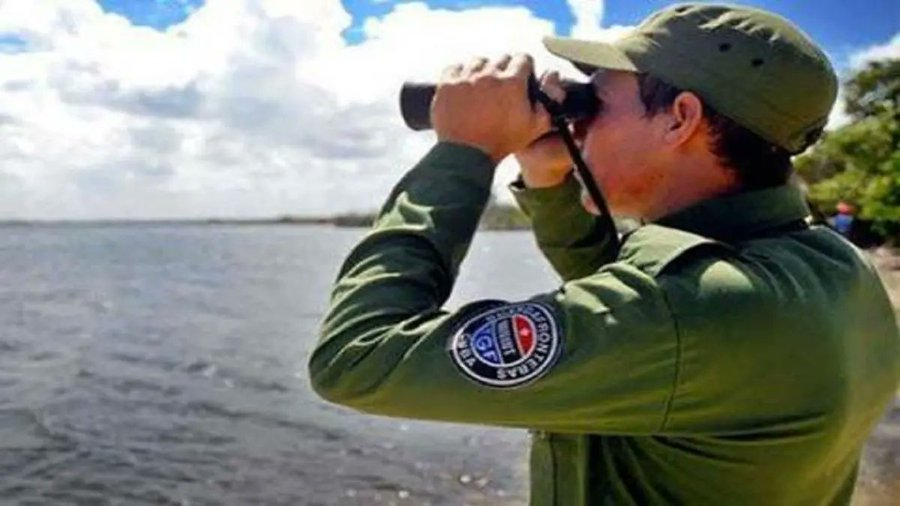
Cuban authorities thwarted an armed infiltration with terrorist purposes on Wednesday in the northeast area of the El Pino canal, in Cayo Falcones, Corralillo municipality, in the central province of Villa Clara , when occupants of a speedboat coming from the U.S. opened fire after being stopped by a surface unit of the Border Guard Troops of the Ministry of the Interior (Minint).
According to an update from the Ministry of the Interior, the investigation has established that 10 armed individuals were traveling on the neutralized speedboat, registered in Florida as FL7726SH, who, according to preliminary statements from the detainees, intended to carry out an infiltration for terrorist purposes.
As part of the investigation, assault rifles, handguns, homemade explosive devices (Molotov cocktails), bulletproof vests, telescopic sights, and camouflage uniforms were seized .
Among the participants arrested and identified through preliminary interrogations are Amijail Sánchez González, Leordan Enrique Cruz Gómez, Conrado Galindo Sariol, José Manuel Rodríguez Castelló, Cristian Ernesto Acosta Guevara and Roberto Azcorra Consuegra.
Among the deceased was identified Michel Ortega Casanova, while authorities are working to identify three other individuals involved. All participants are Cuban residents of the United States , most with a known history of criminal and violent activity.
According to the Ministry of the Interior, Amijail Sánchez González and Leordan Enrique Cruz Gómez appear on the National List of Persons and Entities that, by virtue of United Nations Security Council Resolution 1373, international law and Cuban legal order, have been subjected to criminal investigations and are wanted by Cuban authorities for their involvement in the promotion, planning, organization, financing, support or commission of actions materialized in the national territory or in other countries, in the context of acts of terrorism.
Additionally, the Ministry of the Interior (Minint) reported the arrest in Costa Rica of Duniel Hernández Santos , a citizen sent from the United States to oversee the reception of the armed infiltration. The Ministry stated that Hernández Santos has confessed to his actions and that the investigation continues to fully clarify the facts.
According to the official report, on Wednesday morning an offending speedboat with a Florida, United States registration (folio FL7726SH) was detected approaching within one nautical mile of the area.
As the Cuban vessel carrying five combatants approached for identification, fire was opened on the Border Guard agents from the offending boat. The unit commander was wounded, prompting a defensive response from the security forces. As a result of the confrontation, four assailants were killed and six were wounded, subsequently evacuated and given medical attention.
In the face of the current challenges and as a result of these events, Cuba has reaffirmed its commitment to protecting its territorial waters , based on the principle that national defense is a fundamental pillar for the Cuban State in order to protect its sovereignty and stability in the region.
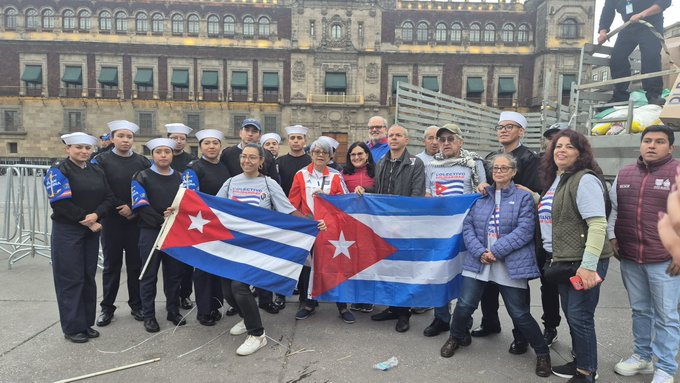
Mexico City. The Ministry of Foreign Affairs (SRE) reported Tuesday night that the Mexican Navy sent a new shipment of humanitarian aid to Cuba.
In a statement released this Tuesday, the Foreign Ministry indicated that, on the instructions of President Claudia Sheinbaum Pardo, the Navy Secretariat sent a new shipment of humanitarian aid to the Caribbean nation.
He explained that on Tuesday the logistics support ships Papaloapan and Huasteco set sail from the port of Veracruz, carrying a total of 1,193 tons of supplies destined for the civilian population of the island.
Among the essential food items being transported by the ARM Papaloapan are beans and powdered milk, totaling 1,078 tons. Meanwhile, the ARM Huasteco’s cargo consists of 92 tons of beans and 23 tons of miscellaneous food products.
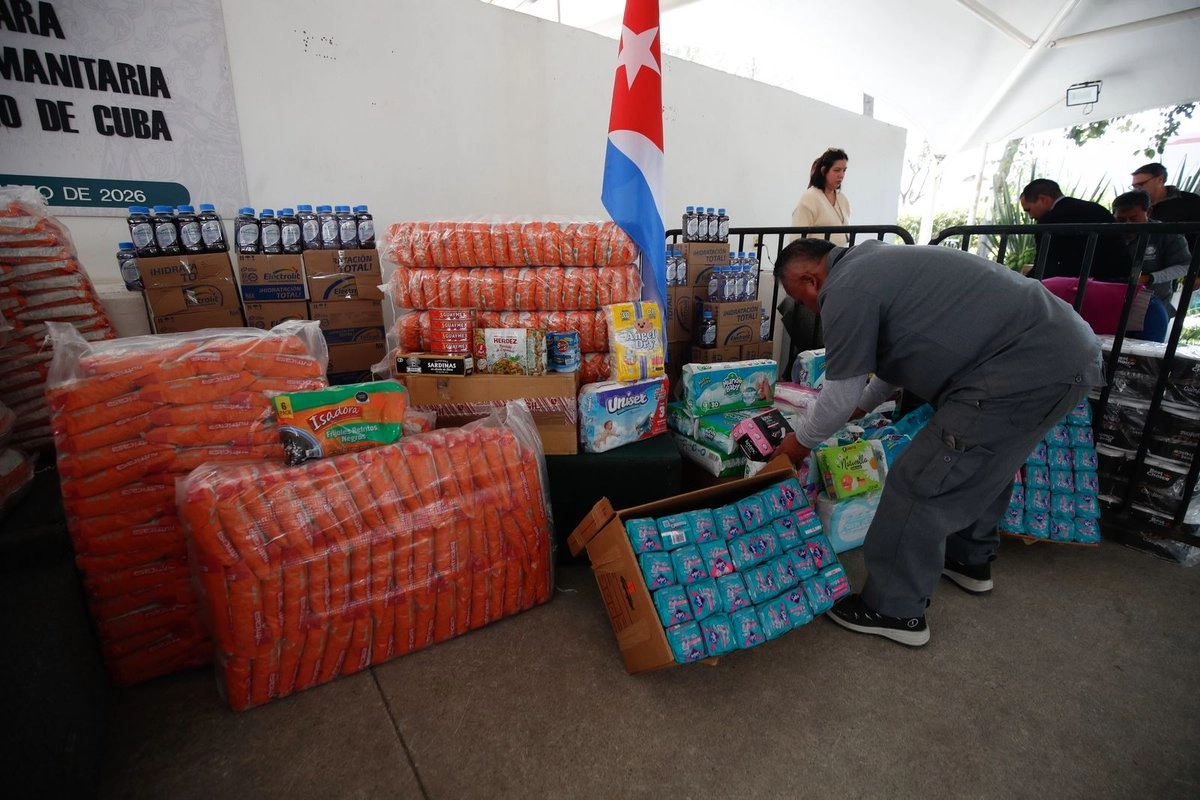
The Foreign Ministry specified that these “23 tons of humanitarian aid were delivered by various social organizations with the support of the Mexico City government at the collection center set up in the Historic Center and correspond to a first delivery.”
He also emphasized that “the people of Mexico maintain their tradition of solidarity with the peoples of Latin America, and particularly with the people of Cuba.” He added that the country “has always provided assistance to our sister nations in need,” and recalled that in recent months aid has been sent to various countries requiring support in the face of emergencies, such as the wildfires in California, USA, and Chile; the floods in Texas; and other tragedies caused by natural disasters across the continent.
For the maritime transfer, whose estimated travel time is four days, as well as for the loading and unloading of the cargo, more than 350 naval personnel were used, in addition to a crane and five forklifts, the Foreign Ministry reported.
The massive campaign culminated this Monday with the collection of more than 200 tons of food and supplies for Cuba. Photo: Infopoder.
A mass solidarity campaign in Mexico culminated in the collection of over 200 tons of food and essential supplies for Cuba, condemning the illegal U.S. blockade.
Feb 23, 2026 — teleSUR
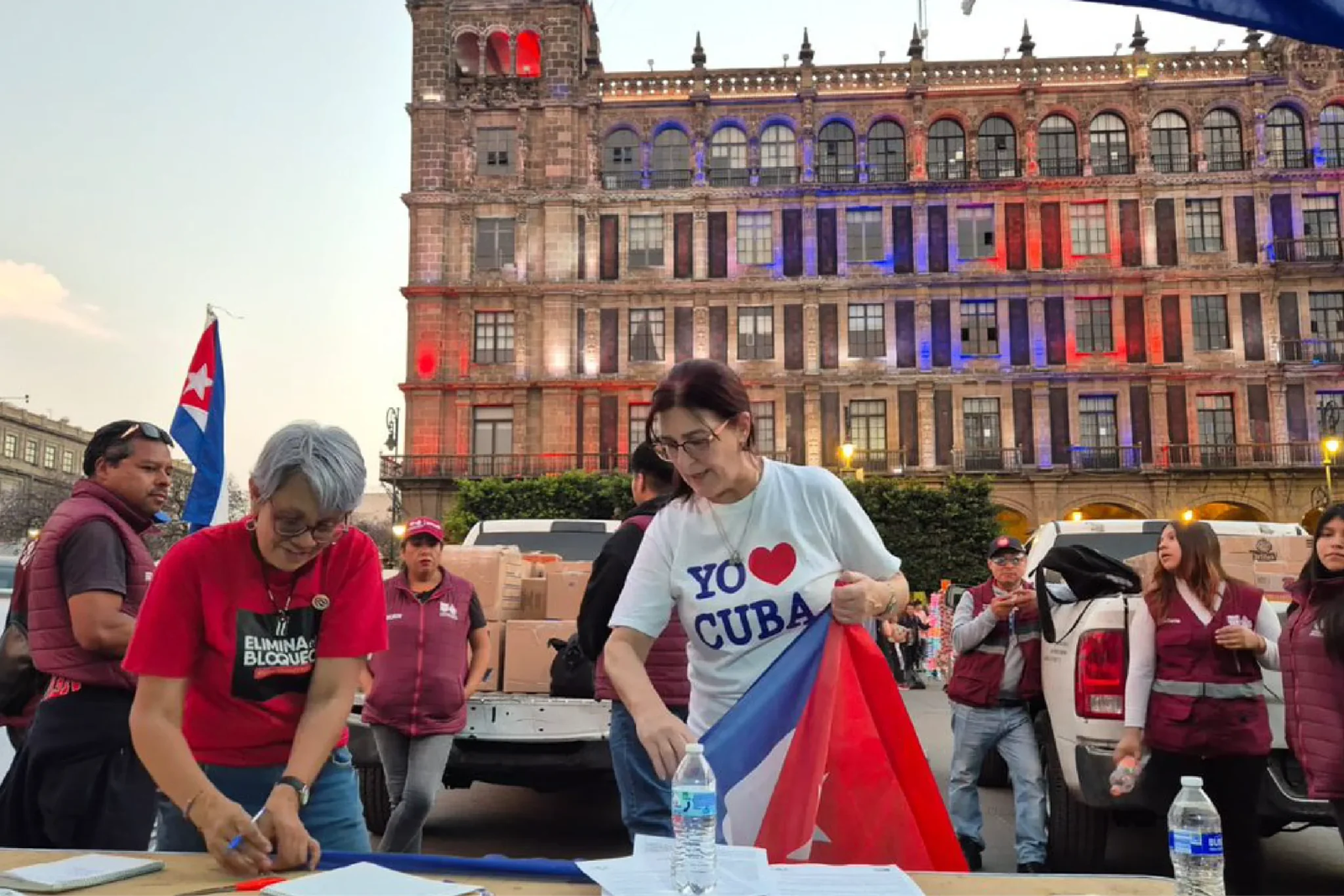
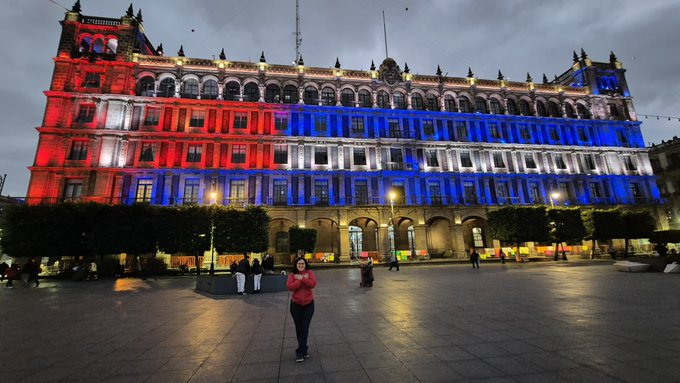
Mexicans recently concluded on February 23 a massive solidarity campaign in its emblematic Zocalo square, collecting over 200 tons of humanitarian aid for Cuba, strongly denouncing the persistent and detrimental U.S. economic, commercial and financial blockade against the Caribbean nation.
This crucial effort was spearheaded by the “Go for Cuba” Movement (“Va por Cuba”, in Spanish) and the Association of Cubans Residing in Mexico, bringing together dozens of social organizations, educational institutions, labor unions, and universities across the country.
This monumental effort not only provided tangible assistance but also served as a powerful platform to denounce the protracted and illegal U.S. economic, commercial, and financial blockade, now extended to include petroleum, against the Caribbean island.
The active involvement of the Mexican Government, particularly the Mexico City authorities and the Secretariat of the Navy, was indispensable in ensuring the intricate logistical operations required for such a large-scale collection and distribution.
During the final day of the campaign, activist Olivia Garza, who also serves as Vice President of the Jose Marti Association of Cubans Residing in Mexico, emphasized the critical importance of exposing the “criminal and genocidal economic, commercial, financial, and now petroleum blockade against the Cuban people.” Garza strongly criticized the United States, asserting that a nation that “constantly feels it is the champion of liberty and democracy, is in fact violating the human rights of an entire people” through its restrictive policies.
Text reads: “Culminated in Zocalo the solidarity collection campaign with Cuba, started 14/Feb, under the slogan “From people to people, end the blockade…”
The extensive aid collected, vital for alleviating the severe impacts of the suffocating blockade, will be transported with the logistical assistance of the Secretariat of the Navy to the port of Veracruz. From there, it will embark on its journey to the island, carrying much-needed relief.
Dedicated volunteers worked tirelessly, performing arduous tasks of unloading, sorting, and packaging basic products. Among the primary necessities gathered were cooking oil, and essential medicines, highlighting the comprehensive nature of the humanitarian assistance. In addition to these in-kind donations, citizens also contributed financially through voluntary accounts specifically established for the campaign, showcasing broad public engagement.
Gracias México! Hoy concluyó jornada de acopio solidario con Cuba! Gracias a miles ciudadanos vinieron con aporte. A Va por Cuba, Asociación de Cubanos residentes, Movto mexicano de solidaridad, al gbno México y otras organizaciones, sindicatos y universidades participaronTranslated from Spanish by
Thank you, Mexico! Today concluded the solidarity collection drive for Cuba! Thank you to the thousands of citizens who came with donations. Va por Cuba, the Association of Cuban Residents, the Mexican Solidarity Movement, the Mexican government, and other organizations, unions, and universities participated.
Text reads: “Thank you, Mexico! Today ended the solidarity collection day with Cuba! Thanks to thousands of citizens who came with contributions. Go for Cuba, Association of Cuban Residents, Mexican Movement of Solidarity, World Bank of Mexico and other organizations, unions and universities participated”.
Cuba’s Ambassador to Mexico City, Eugenio Martinez Enriquez, eloquently expressed his gratitude, underscoring the profound affection, humanity, and brotherhood displayed by the Mexican people throughout the campaign.
The diplomat noted that citizens “quickly identified an injustice, a crime, and left their homes, defying geographical and economic obstacles to come here and make a small or very significant contribution to Cuba.”
Martinez concluded that this widespread mobilization unequivocally demonstrated that “resistance is the future, it is the option for peoples against the domination of imperialism.” He stressed that despite military might, power, and media control, “the peoples resist and overcome, and Cuba is the example.”
Reiterating that the contributions from individuals embodying solidarity provide encouragement and stimulus, he powerfully underlined that “we know we are not alone.”
President Trump removes additional tariffs imposed under the International Emergency Economic Powers Act, including Order 14380 on Cuba, following a Supreme Court decision.
Feb 23, 2026 — teleSUR
President Donald J. Trump recently signed an Executive Order eliminating temporarily the additional ad valorem tariffs imposed under the International Emergency Economic Powers Act (IEEPA), affecting provisions against China, Venezuela, Brazil, Russia, Cuba, and Iran.
The measure, recentrly announced on the official White House website, stipulates that the additional tariffs will cease to be in effect and their collection will be discontinued as soon as possible. However, the national emergencies declared in those Executive Orders and the rest of their provisions will remain in effect, according to the official document.
The new order instructs the heads of each department and Executive agency to take immediate steps to end the collection of the additional tariffs. Furthermore, the Secretary of Commerce, the Secretary of Homeland Security, and the United States Trade Representative, in consultation with other authorities, may amend the Harmonized Tariff Schedule to comply with the presidential order.
The text clarifies that the order does not create any enforceable rights or benefits against the U.S. Government and that its implementation will be subject to existing legislation and the availability of resources. This legal clarification seeks to define the administrative scope of the measure in the face of potential legal challenges.
Supreme Court Ruling
The presidential decision is a direct consequence of the Supreme Court’s ruling, which determined by a vote of six to three that the IEEPA “does not grant the president the authority to establish or increase tariffs on imported goods simply by declaring a national emergency.”
This ruling limited the interpretive scope of the International Emergency Economic Powers Act, the legal framework under which the additional tariffs had been imposed between 2025 and 2026 in response to what Washington described as “unusual and extraordinary threats” to U.S. national security, foreign policy, or the economy.
Supreme Court Ruling
The presidential decision is a direct consequence of the Supreme Court’s ruling, which determined by a vote of six to three that the IEEPA “does not grant the president the authority to establish or increase tariffs on imported goods simply by declaring a national emergency.”
This ruling limited the interpretive scope of the International Emergency Economic Powers Act, the legal framework under which the additional tariffs had been imposed between 2025 and 2026 in response to what Washington described as “unusual and extraordinary threats” to U.S. national security, foreign policy, or the economy.
Russia seeks to improve the well-being of the population affected by restrictions that the Cuban government describes as direct attacks on its sovereignty. Photo: EFE
Washington intensifies pressure with measures that endanger the lives of thousands, even accusing it of genocide
Feb 22, 2026 — teleSUR
The Cuban energy crisis is deepening amid aggression imposed by the Trump administration against its people. Two months after the United States declared a national emergency over its policy toward Havana and announced sanctions against countries that supply fuel to the island, Moscow indicates that it is actively working to support a historic ally .
“We are helping, but I will not reveal the details,” Russian Deputy Prime Minister Alexander Novak stated , announcing that Moscow is actively working to support Havana during its complex energy crisis. His statement coincides with an escalation of US sanctions aimed at economically strangling Cuba, a measure the Cuban government describes as an ongoing “ genocide .”
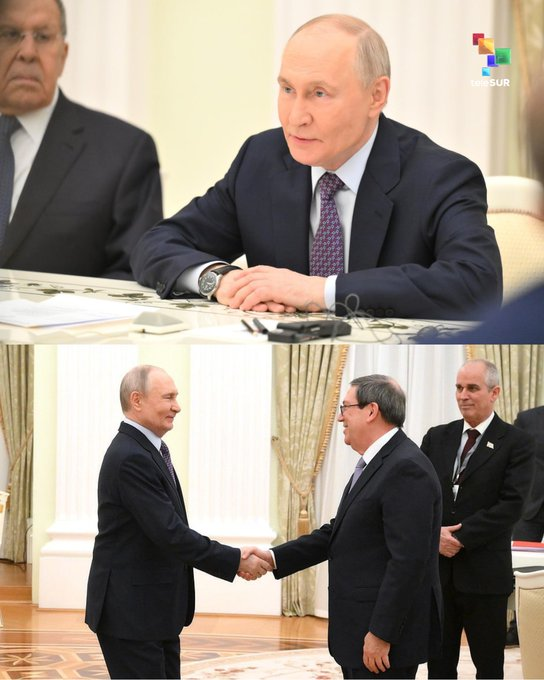
Valentina Matvienko , Speaker of the Russian Senate, expressed her concern days ago during her meeting with Cuban Foreign Minister Bruno Rodríguez Parrilla , who also met with President Vladimir Putin: “The energy blockade represents genocide against the Cuban people.”
“You know Russia ‘s opinion of your country and the Cuban people. Not only is Cuba our key strategic partner and a long-standing friend, but it is also a brother country and a brotherly people to us,” Matvienko stated, adding that many people express their support for Havana against U.S. actions.
The blockade is being experienced on the street
For more than six decades, the US-imposed blockade has hampered the country’s economic and social development. In recent years, its intensification—particularly during the Trump administration—has further tightened the noose around strategic sectors such as energy.
From a corner of the market, Miriam shows an almost empty bag while talking about the lack of control: “Two weeks ago, oil was 920 pesos, then it disappeared and now it has reappeared at 1,200. Eggs have gone up again…”
“Bread has more or less stayed the same, but chicken has gone up to 450 pesos a pound in some places, spaghetti to 500, tomato puree to 500, and toothpaste to 400,” lists Ernesto as he leaves a micro, small, and medium-sized enterprise (MSME) , reflecting a phenomenon documented by Cubadebate .
” SMEs limit the percentage of purchases made by transfer, while agricultural market vendors claim they cannot operate without cash because the bank does not allow them to withdraw money to pay producers.”
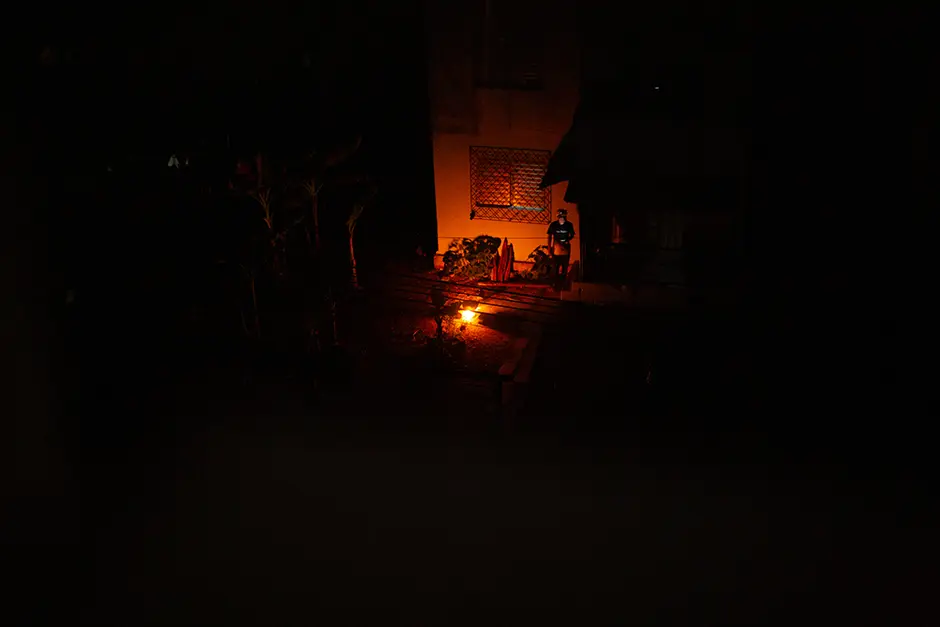
When there is no electricity and gas is scarce, a wood-burning stove is one of the few options. This is how Cuban families cook amidst the most severe siege in decades. Photo: Enrique González (Enro)/ Cubadebate.
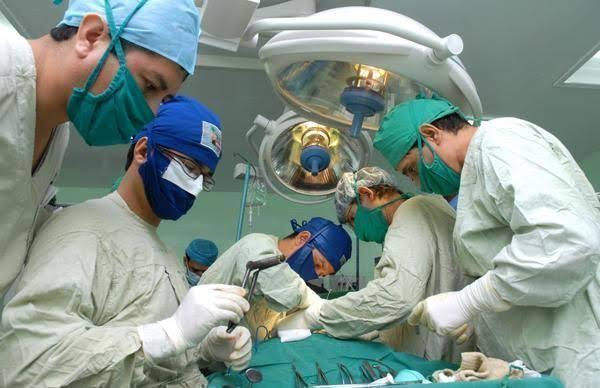
The Minister of Public Health, José Ángel Portal Miranda , denounced that more than 32,800 pregnant women face additional risks due to the fuel shortage, which paralyzes the collection of toxic waste and favors diseases such as dengue and chikungunya.
“What human rights is the US government talking about when its actions put lives at risk?” wrote Portal Miranda in X, where he announced postponements of surgeries affecting thousands of patients, many of them children.
“The inevitable postponement of surgical procedures… has a direct impact on thousands of patients , many of them children,” he stated. Primary care remains the cornerstone of the healthcare system, but he warned that “the lack of medicines and fuel seriously affects cancer patients, diabetics, and minors.”
But they also manifest themselves in the collective response : in spontaneous solidarity, in community solutions. “Despite the pain, the Cuban people have not allowed the blockade to take away their dignity,” the official statement affirms.
While Moscow closely observes the evolution of the conflict, with Novak confirming Russian efforts to support a historical ally, the reality in Cuba remains dramatic: each passing day further strengthens the position of those who see the US blockade as a direct threat to the survival of the Cuban people.
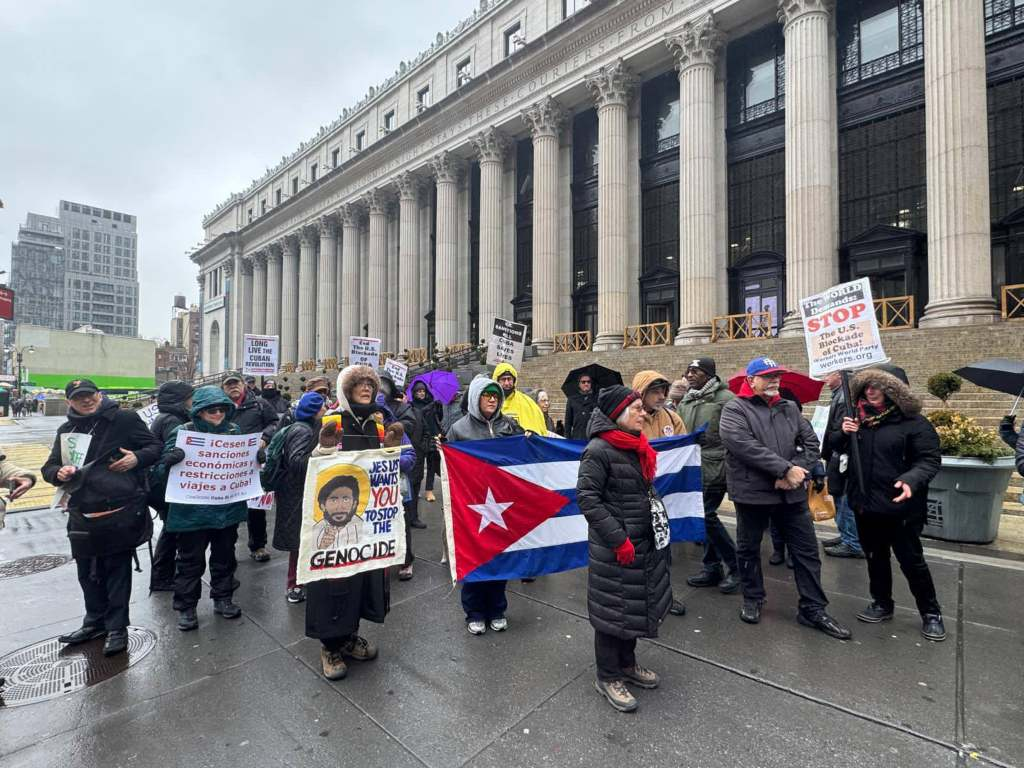
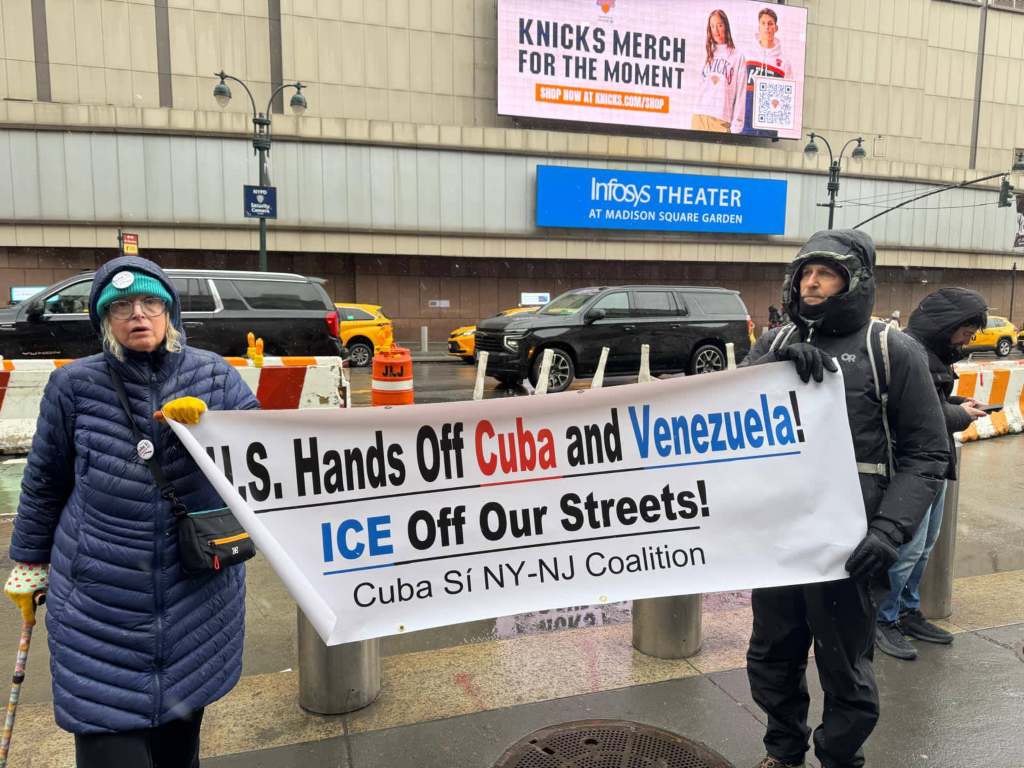
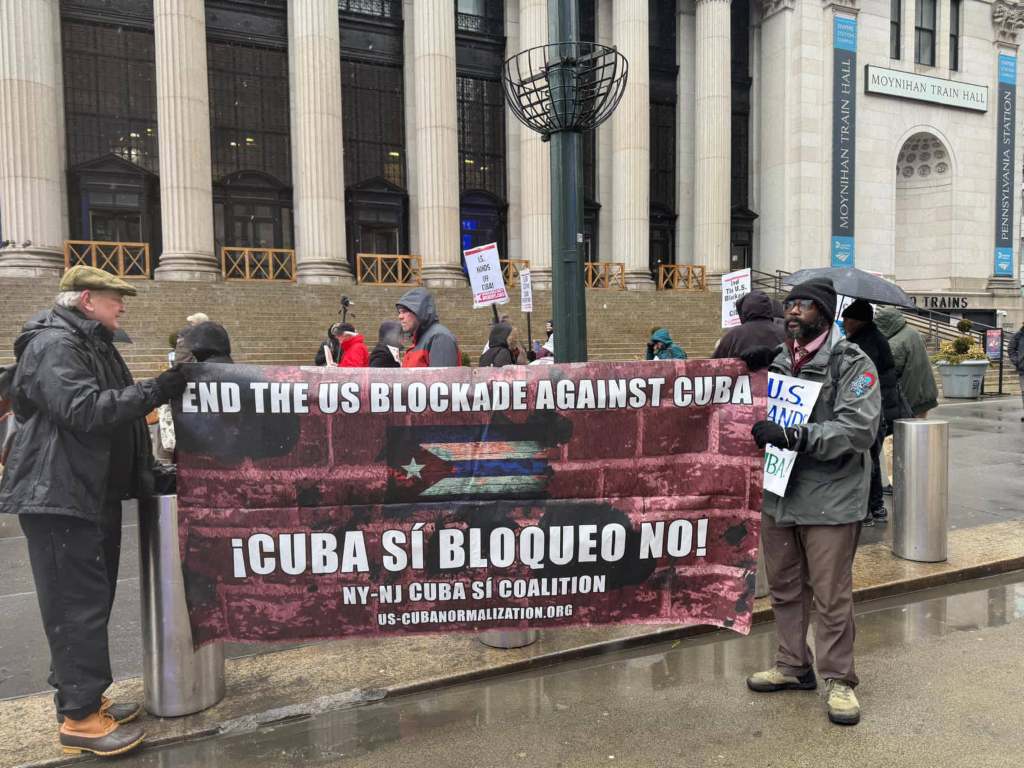
Washington, Feb 22 (Prensa Latina) Despite a winter storm warning, activists and community organizers from New York arrived in Manhattan today to show their commitment and support for Cuba in the face of the growing aggression of the United States government.
The group braved the bad weather to make it clear that the American people oppose the ban on oil entering the island following an executive order signed on January 29 by President Donald Trump, who threatened to impose unilateral coercive tariffs against any country that sells fuel to Cuba.
By preventing the supply of oil to the Caribbean country, it is reinforcing the economic, financial and commercial blockade that has weighed on the people of the Antillean nation for more than six decades.
Willie Cotton, organizer of the Cuba Sí coalition in New York and New Jersey, highlighted the resilience of the Cuban people and reaffirmed the need for collective efforts at this special moment.
The group emphasized that this crisis generated by the United States created difficult conditions for Cuba, but also forged “a new commitment of solidarity from people around the world.”
For his part, Ike Nahem, coordinator of the U.S. committee for the normalization of relations with Cuba, declared: “We are here to tell Cuba that we are committed to ending this blockade and allowing the arrival of oil.”
“Similar demonstrations are taking place in cities across the United States and Canada,” he said, “because this escalation has made international solidarity even more necessary.”
The protest in New York took place in preparation for the “Cuba Under Siege” conference, scheduled for March 14 and 15.
The event will bring together a broad coalition of groups and representatives of solidarity with Cuba in the search for a strategy of action to stop the current hostility and threat of military aggression.
SOLIDARITY ALSO IN CHICAGO
Solidarity activists with Cuba gained new support this weekend in Chicago at the national convention of the Young Democratic Socialists of America (YDSA), the youth section of the Democratic Socialists of America (DSA).
The conference, with 400 attendees, represents YDSA’s affiliates from across the country. Most came from cities and campuses where solidarity committees with Cuba do not yet exist, but there is interest in creating such groups, according to a statement.
At the meeting, books and pamphlets were distributed about the family code, the “Let Cuba Play” campaign to obtain US visas for Cuban Olympic athletes, and Cuba’s role in Africa in defending the liberation movements of that continent.
The speeches of the Argentine-Cuban guerrilla fighter Ernesto “Che” Guevara also aroused the greatest interest.
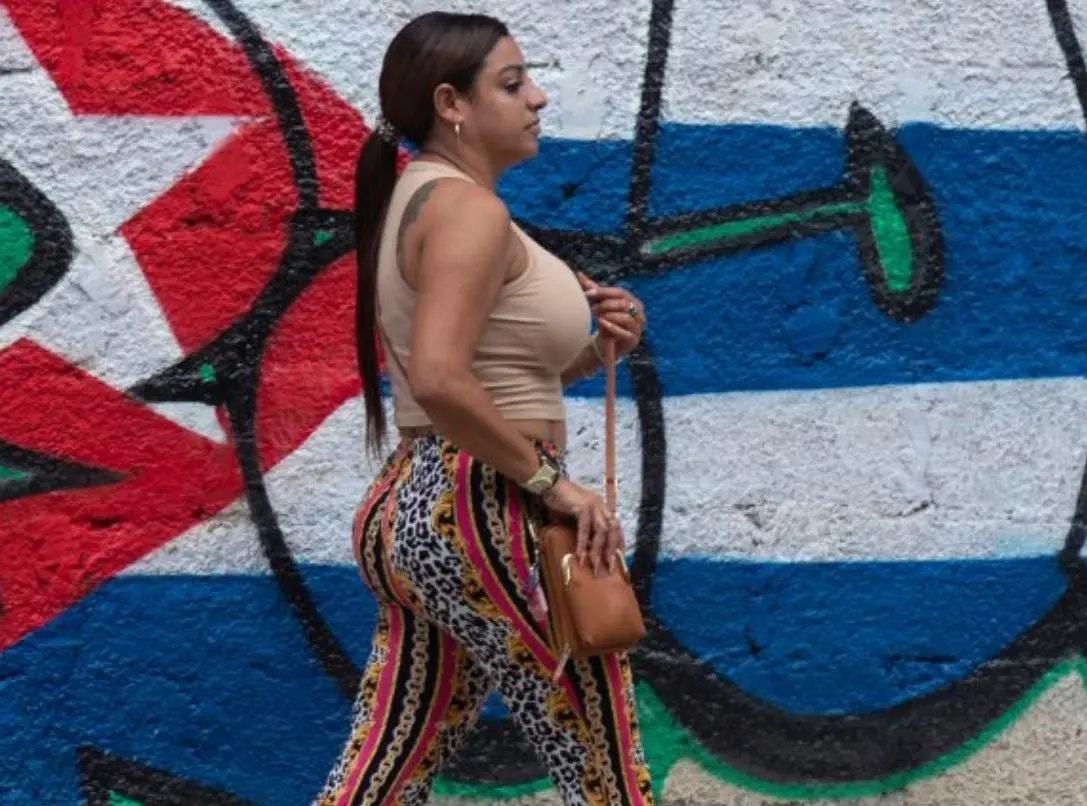
A woman walks past a graffiti mural in Havana. Photo: EFE.
“I’m ready to fight. We won’t back down; surrender is not an option for Cubans. We decide our own destiny, no one else,” says Enma, a mother and teacher.
February 21, 2026 — teleSUR
Cuba has now endured more than six decades under a severe US economic, commercial, and financial blockade, a reality that has transformed daily life into an obstacle course. The embargo not only impacts the economy but also the very heart of families.
In recent weeks, this pressure has intensified with new restrictive measures from Washington aimed at preventing fuel shipments to the island, triggering an energy crisis that is testing, once again, the Caribbean nation’s capacity for reinvention. But amidst the scarcity, popular organization and, above all, the strength of Cuban women are emerging.
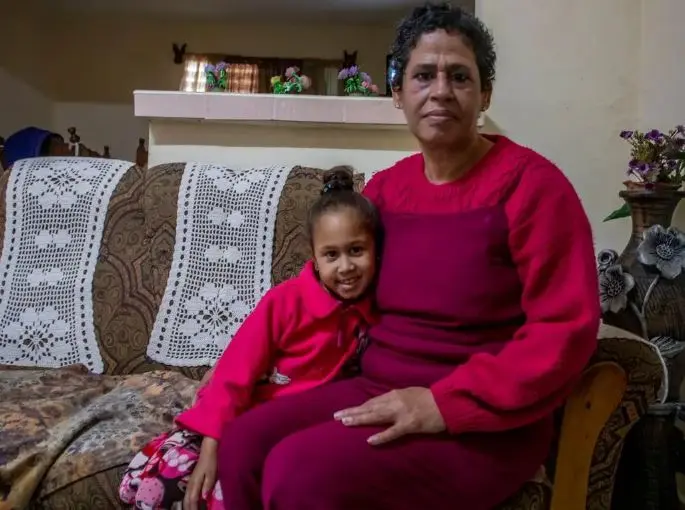
Emma Doris: between healing and hope
Emma Doris Ricardo Santana, a mother and university professor, knows firsthand the weight of these restrictions. Her life took a dramatic turn when an aggressive form of breast cancer forced her to leave the classroom.
The blockade hindered his recovery : the shortage of cytostatic serums prevented him from receiving the full treatment within the planned timeframe.
The lack of medication was compounded by the ordeal of transportation , forcing her to travel between three different hospitals. Despite everything, Emma recovered thanks to the dedication of Cuban public healthcare and an unbreakable network of support.
“Medicine heals, but so does solidarity. That’s what makes you get up,” he says with a recovered smile, although his eyes reveal a latent concern.
His 10-year-old daughter, Claudia, suffers from a growth disorder . The necessary reagents and hormones are not reaching the island due to the sanctions.
“The family’s priority is her. The little girl needs treatment that we can’t yet provide in Cuba,” she explains. But far from giving up, Emma remains resolute: “I’m ready to fight. We won’t back down; surrender is not in the Cuban spirit. We decide our own destiny, no one else.”
The dream of becoming a mother in the face of adversity
At 29, Rocío Rincón has only one goal in life: to be a mother. A civilian employee at the Carlos J. Finley Hospital, she lives with a pituitary tumor that has prevented her from fulfilling her dream . In her home, a Yoruba altar and a painting of five angel girls watch over her longing.
“None of those children are mine, but having a baby is my goal,” she confesses with a deep but serene sadness. Rocío is grateful that her treatment is free thanks to the Cuban healthcare system, although the instability in the supply of medications—which often depend on donations from friendly countries—is a constant shadow.
“ Too many people are suffering because of this blockade. With Trump, the situation is much more aggressive; these are measures to suffocate us, but they won’t succeed,” Rocío declares, reflecting the feelings of thousands of women who, between deprivation and faith, refuse to relinquish control of their future.
Manuel Isla Community: sowing sovereignty in the most remote corner
Far from the hustle and bustle of the capital, the Manuel Isla community —named in honor of a young martyr of the Revolution—stands as a model of self-management. There, professionals, educators, and workers have built an oasis of resistance.
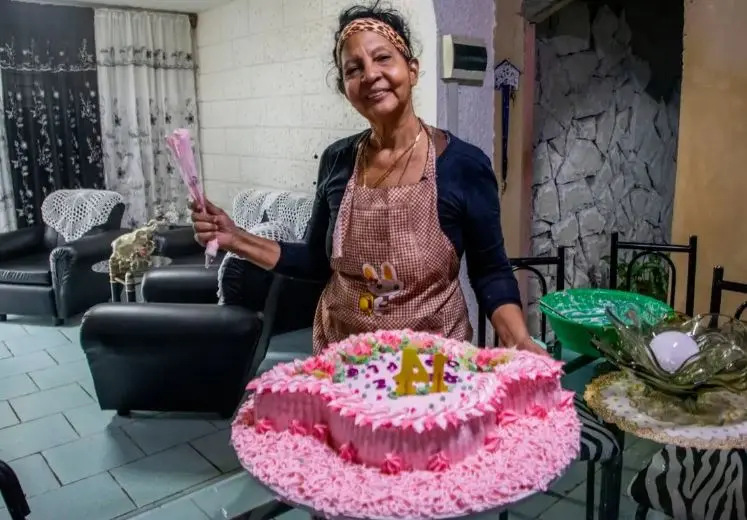
In this environment lives María Eva Puentes Torres, a Santiago baker in her sixties who works wearing an apron adorned with bunnies and battles power outages to deliver her cakes. Each cake is a work of art and a testament to resilience.
“The blackouts take away our ability to work and affect my university daughter’s studies, who can’t even charge her phone to watch her classes,” she confesses indignantly.
However, his stance is unwavering : “This country is ours. We will resist with creativity. No one here surrenders.”
Ainara: The voice of the future that is not afraid
Cuban bravery knows no age. Ainara Neira Reyes, at just 11 years old , speaks with the maturity of someone who understands that her school is a bastion of values. Although the blockade limits her access to pencils, notebooks, or even the possibility of playing volleyball because there are no balls, she feels protected by her teachers.
“We pioneers always go ahead,” says Ainara, who keeps herself informed daily and understands that external hatred seeks to break her spirit.
His message to the children of the world is one of pure solidarity : “We are going through a difficult time, but if you go through something similar, we will support you from here. Don’t give up!”
The language of the “indomitable guerrilla”
As Tatiana Coll, a longtime collaborator on the island and witness to the 1970 sugar harvest, rightly recalls , Cubans have a special nature : perhaps in their daily routine they seem relaxed, but “as soon as the trumpet of defense sounds, nobody can surpass them.”
They activate in guerrilla mode , a characteristic that Fidel taught them and that today women —from the pastry chef to the pioneer— embody with a dignity that does not understand surrender.
In Cuba, resistance is not just a political concept; it’s a mother’s hand baking a cake in the dark, a girl defending her right to education, and a community that, faced with fuel shortages, decides to grow its own food. Solidarity and sovereignty, definitively, have a woman’s face.
“Policy goals cannot justify actions that in themselves violate human rights,” said UN Office of the High Commissioner for Human Rights Spokesperson Marta Hurtado on February 13.
Three special rapporteurs from the Office of the United Nations High Commissioner for Human Rights issued a statement last week that said: “The U.S. executive order imposing a fuel blockade on Cuba is a serious violation of international law and a grave threat to a democratic and equitable international order.”
They added that the Trump administration’s claims that Cuba supports terrorism and represents an “unusual and extraordinary threat” to U.S. national security lack credibility.
Marta Hurtado, spokesperson for the UN Office of the High Commissioner for Human Rights, questions how Cuba can overcome its current crisis while facing some of the most severe sanctions in the world.
According to Hurtado, decades-long sanctions, recent U.S. measures restricting oil shipments, and extreme weather events are converging into a nationwide emergency. Fuel shortages are disrupting hospitals, intensive care units, vaccine storage, water-pumping systems and food distribution.
More than 80% of Cuba’s water infrastructure depends on electricity, and rolling blackouts are undermining access to clean water, sanitation and basic healthcare.
Hurtado’s remarks highlight a growing concern inside UN institutions about the humanitarian impact of sanctions and the limits they impose on a country’s ability to respond to economic and social emergencies.
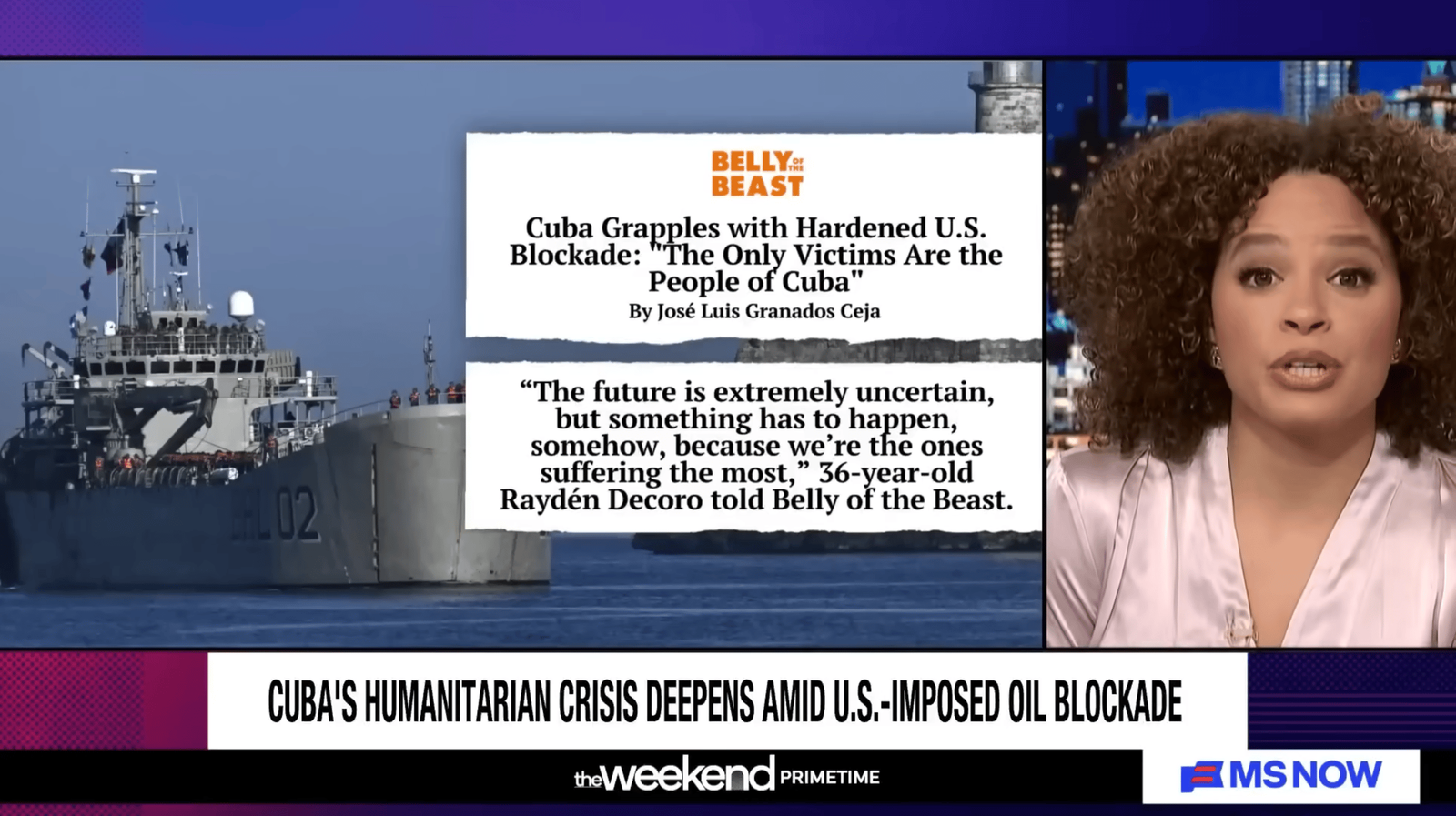
Belly of the Beast journalist Liz Oliva Fernández was interviewed last week on the Chapo Trap House podcast. She spoke about the tightening of the blockade, solar energy, healthcare and the Cuban-American lobby.
“A lot of people in Cuba are realizing that this propaganda we’ve been getting [from the U.S.] that the blockade isn’t real, that sanctions only affect the Cuban government, is bullshit,” Liz said. “For the first time, these Cuban-American politicians are publicly saying that ‘if your mother is hungry and your kids don’t have access to medication, this is the price you have to pay to get freedom.’ And people in Cuba are like: ‘Wait, what? I have to suffer so that you can bring us freedom? This is crazy.’”

 A woman walks past a graffiti mural in Havana. Photo: EFE.