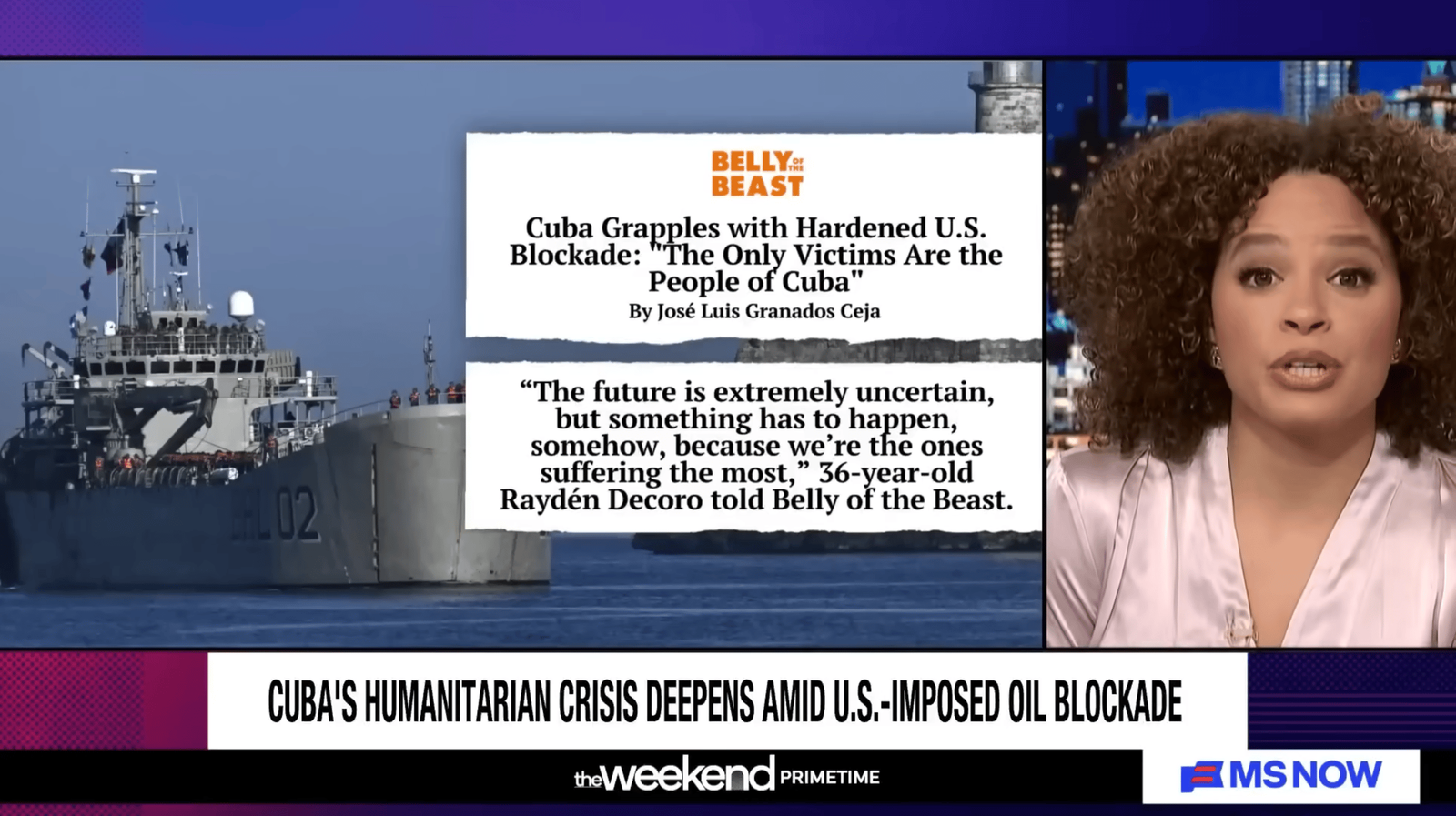
Belly of the Beast journalist Liz Oliva Fernández was interviewed last week on the Chapo Trap House podcast. She spoke about the tightening of the blockade, solar energy, healthcare and the Cuban-American lobby.
“A lot of people in Cuba are realizing that this propaganda we’ve been getting [from the U.S.] that the blockade isn’t real, that sanctions only affect the Cuban government, is bullshit,” Liz said. “For the first time, these Cuban-American politicians are publicly saying that ‘if your mother is hungry and your kids don’t have access to medication, this is the price you have to pay to get freedom.’ And people in Cuba are like: ‘Wait, what? I have to suffer so that you can bring us freedom? This is crazy.’”
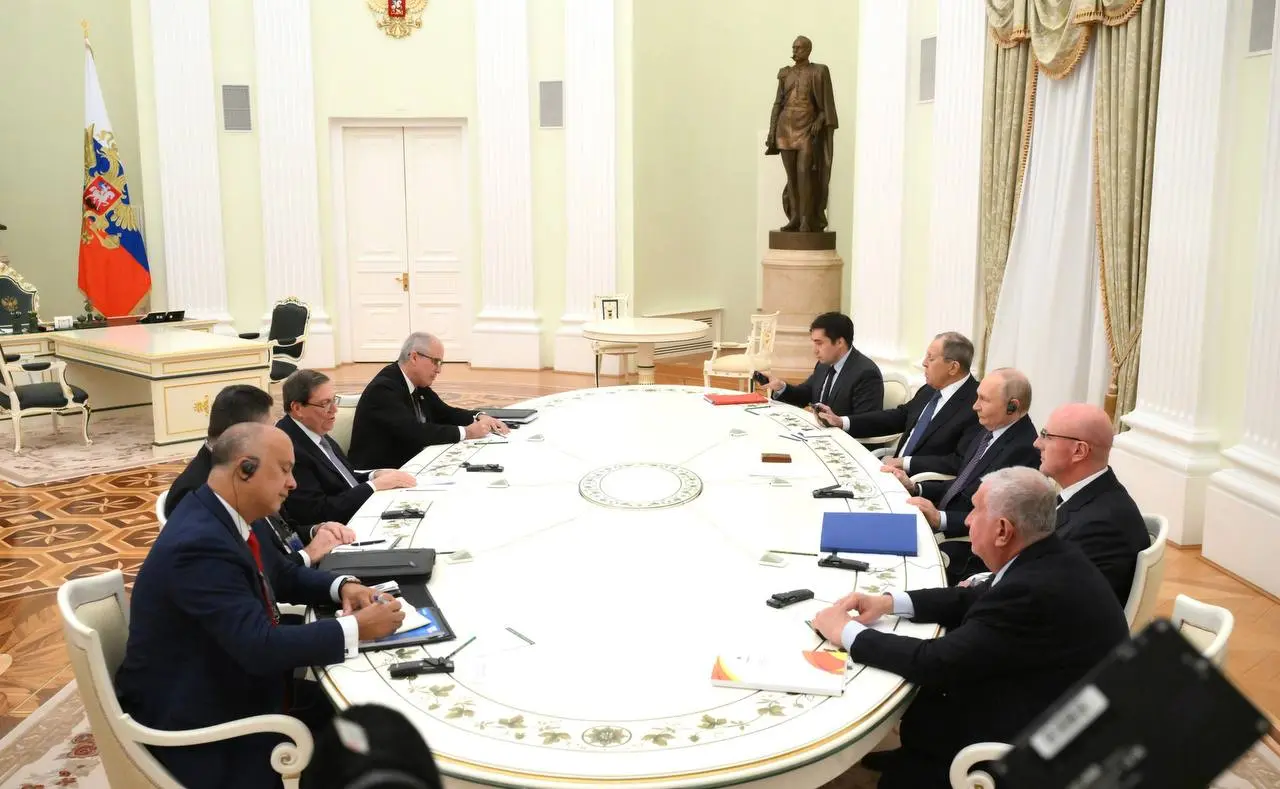
President Vladimir Putin received Cuban Foreign Minister Bruno Rodríguez Parrilla at the Kremlin. Photo: Cuban Embassy in Russia
“We are meeting now at a special moment, with new sanctions. You know our opinion on this; we will not accept anything like this,” the head of state of the Russian Federation said during his meeting with the Cuban foreign minister.
February 18, 2026 — teleSUR
Russian President Vladimir Putin on Wednesday condemned the new coercive measures imposed by the United States government against Cuba as unacceptable during his meeting with Cuban Foreign Minister Bruno Rodríguez Parrilla , who is on an official visit to Moscow. Putin stated that Russia does not accept such measures and emphasized the “open, clear, and straightforward” position of the Russian Foreign Ministry.
“Our countries maintain special relations that have been historically consolidated. We have always stood by Cuba in its struggle for independence, we have advocated for its right to choose its own path of development, and we have always supported the Cuban people,” the Russian president emphasized, highlighting the historic bilateral relationship.
President Putin also acknowledged the difficulties the Cuban people have faced as a result of the pressure campaign waged by the United States since the triumph of the Cuban Revolution. “We know how difficult it has been for the Cuban people throughout these decades of Cuban independence in their struggle for their right to live according to their own rules and defend their national interests ,” the head of state emphasized.
During the meeting, the president celebrated the strengthening of bilateral relations and stated that they could address each area of cooperation in detail. He added, ” This year we will celebrate Fidel Castro’s centenary, and we will do so together .”
The meeting with the Cuban foreign minister is part of the strengthening of strategic ties between the two countries, which maintain cooperation in political-diplomatic, economic and energy fields.
Earlier, Kremlin spokesman Dmitry Peskov emphasized the special importance of the meeting given the difficult situation in Havana. Peskov reiterated Russia’s firm opposition , along with many other countries, to the US blockade against the Caribbean island , and reaffirmed Moscow’s intention to strengthen its relations with Cuba by providing appropriate assistance during these complex times.
On the same day, Foreign Minister Rodríguez Parrilla met with his Russian counterpart, Sergey Lavrov , who reiterated Moscow’s full solidarity with Havana . Lavrov assured that Russia will continue to support Cuba in defending its sovereignty and security, while clarifying that this cooperation does not constitute a threat to the United States or any other nation.
Lavrov called Washington’s actions “unacceptable,” which included issuing a special decree declaring Cuba and its cooperation with Russia a threat to US interests , and categorically rejected such unfounded accusations.
These statements come in a context of the intensification of the economic and commercial blockade imposed by the United States on Cuba for more than six decades .
On January 29, US President Donald Trump signed an executive order declaring a “national emergency” due to an alleged “unusual and extraordinary threat” posed by Cuba. This order included the imposition of tariffs on countries that supply oil to the island nation and threats of retaliation against those who disobey it.
This measure has caused the arrival of oil to the island to stop, which has intensified the energy crisis, halted economic activities and severely affected health, education, water and other basic services due to the lack of fuel for the productive sector, energy and transportation.
All of Washington’s unfounded accusations have been systematically rejected by Havana, which has warned that it will defend its territorial integrity. Cuban President Miguel Díaz-Canel stated that “Cuba is a free, independent, and sovereign nation. No one dictates what we do. Cuba does not attack; it has been attacked by the U.S. for 66 years, and it does not threaten; it prepares, ready to defend the homeland to the last drop of blood .”
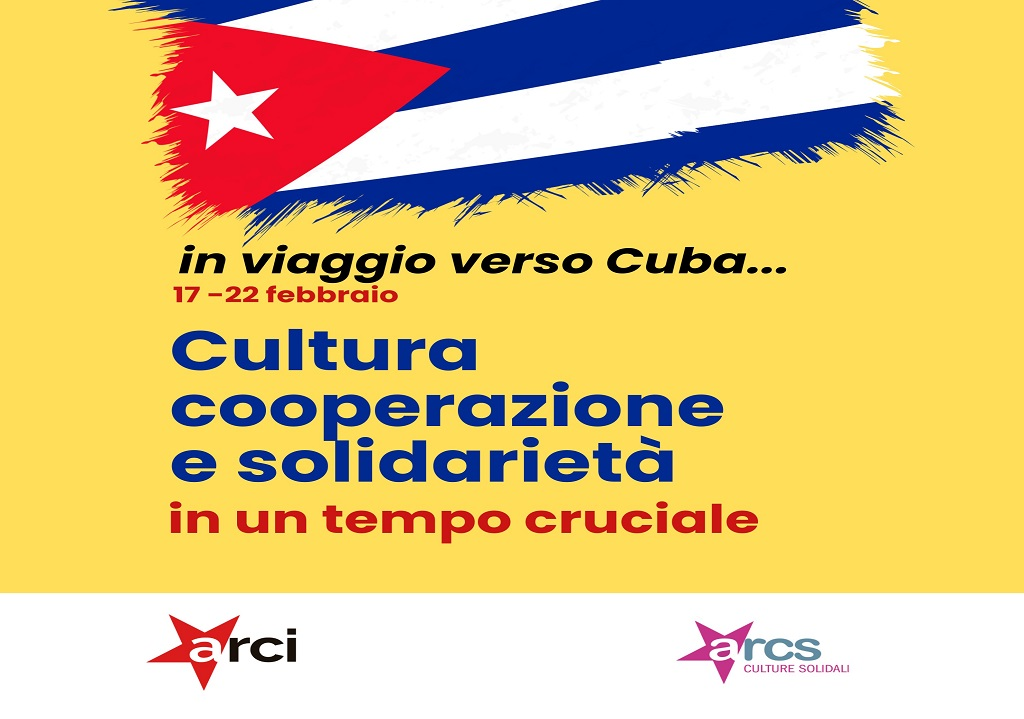
Rome, Feb 17 (Prensa Latina) A delegation of members of the Italian Recreational and Cultural Association (ARCI), and of Social Promotion and Social Cooperation (ACRS) begins a visit to Cuba today, in solidarity support in the face of new pressures from the United States.
A joint statement from these groups, headed by Walter Massa, president of ARCI, considered the largest social promotion organization in this country, and Gianluca Mengozzi, leader of ACRS, indicates that from February 17 to 22 both entities will develop a broad program of activities on the island.
This is “a mission that combines cultural relations, international cooperation and political solidarity, at a particularly difficult time for the country,” the statement emphasizes, noting that “Cuba is going through a serious economic and energy crisis,” aggravated by the persistent effects of the blockade imposed by the United States.
This criminal US policy against the Caribbean nation “has intensified in recent years,” the text points out, noting its worsening after US President Donald Trump signed an executive order on January 29 establishing tariff sanctions for any country that sells oil to Cuba.
“In this context, international cooperation, cultural exchange and solidarity among peoples take on an even more urgent political and human value,” he emphasizes, in the face of “the disproportionate intimidation by the US government and the grave and culpable silence of the international community, with few exceptions.”
With this visit, ARCI and ARCS continue their commitment, which they have maintained for more than thirty years, to the development of solidarity programs with Cuba, “based on the idea that culture is an essential tool for emancipation, participation and development.”
As part of their stay in the largest of the Antilles, the delegates will hold meetings on February 18 with some of the main Cuban cultural organizations, including the Hermanos Saíz Association and the Office of the Historian of the City of Havana.
Visits to cultural centers are also planned for that day, as well as a meeting with the Italian ambassador to Cuba, Simona De Martino, in which the prospects for expanding cooperation will be discussed.
On February 19, the presentation of the book that won the 2025 Ítalo Calvino Literary Prize will take place at the headquarters of the Union of Writers and Artists of Cuba (Uneac), “a cultural and political encounter that takes on even greater relevance today.”
On February 20th, an exchange is planned at the Casa de las Américas, with directors and members of cultural organizations, to discuss the main international problems facing this historical moment, with special attention to the consequences of the economic blockade against Cuba, cooperation and solidarity.
During these meetings, discussions will focus on the development of various initiatives, including the so-called Energy for Life, which ARCI is developing, along with other Italian solidarity, political, social and trade union organizations, to raise funds to finance projects in support of the Cuban people, the source adds.
Washington, Feb 15 (Prensa Latina) The Let Cuba Live donation campaign in the United States aims to send solar panels to keep hospitals running and save lives on the island amid the blockade reinforced by President Donald Trump.
The campaign, a collaborative effort involving the New York-based organization The People’s Forum, seeks urgent relief from the situation created after Trump’s executive order of January 29, which declared a national emergency regarding Cuba and, to address it, decided on a blockade of oil imports.
“Trump’s fuel embargo is trying to cripple Cuba,” The People’s Forum said in a public message on X.
“Don’t let them get away with it. Help us send solar panels to keep hospitals running and save lives. Trump can’t block the sun! Long live Cuba!” he emphasized.
The Republican president threatened coercive tariffs on countries that directly or indirectly defied the measure and sold fuel to the Caribbean nation. This action, which has extraterritorial reach, tightens the unilateral embargo imposed on Cuba more than 60 years ago.
US Secretary of State Marco Rubio, during his trip to the Munich Security Conference in Germany, reaffirmed the hostile rhetoric towards Cuba in interviews given to the press, telling them, among other things, that the “Cuban regime” does not have a real economic policy and does not know how to improve the daily lives of its people.
To which some X users responded: “It’s a little difficult to have an economic policy when little Cuba is living a life sanctioned by the US empire” or “More than 60 years of US sanctions, and they still pretend that the Cuban economy collapsed ‘on its own’.”
This week, Congresswoman Ilhan Omar, a member of the United States House of Representatives, denounced the cruel and despotic oil blockade against Cuba by the Trump administration.
“The U.S. oil embargo against Cuba is cruel and despotic,” wrote the Democratic representative from Minnesota in X, stating that “it is an economic war designed to strangle an island, where innocent civilians will pay with their lives to force regime change.”
“We must lift the blockade NOW,” demanded Omar, one of the voices of the more progressive wing of the Democratic Party within the United States Congress.
Her social media post on Thursday was accompanied by an article published in The Wall Street Journal about the situation in Cuba following Trump’s order.
Another statement at the Capitol came from Jim McGovern, Ranking Member of the House Rules Committee, who introduced a new bill to lift the blockade against Cuba.
HR 7521, the United States-Cuba Trade Act, would repeal or amend several decades-old laws that restrict trade, exchange, telecommunications, and travel with Cuba, he noted.
A similar bill, S. 136, was introduced in the United States Senate by Democratic lawmakers Ron Wyden and Jeff Merkley from Oregon.
He also warned that this economic blockade “is not only absurdly ineffective, but counterproductive and harms precisely (…) ordinary people and their families who are denied food, medicine and basic products.”
On February 3, 1962, US President John F. Kennedy signed the decree establishing the blockade against Cuba. Four days after that order was issued, Washington’s illegal and inhumane policy became official, a policy that remains the longest unilateral embargo in history against any country.
Political leaders such as Jeremy Corbyn and Congresswoman Rashida Tlaib have publicly supported this humanitarian mission. Photo: EFE.
The flotilla is scheduled to set sail in March to defy the energy blockade and deliver food and medicine to the island.
february 14, 2026 — teleSUR
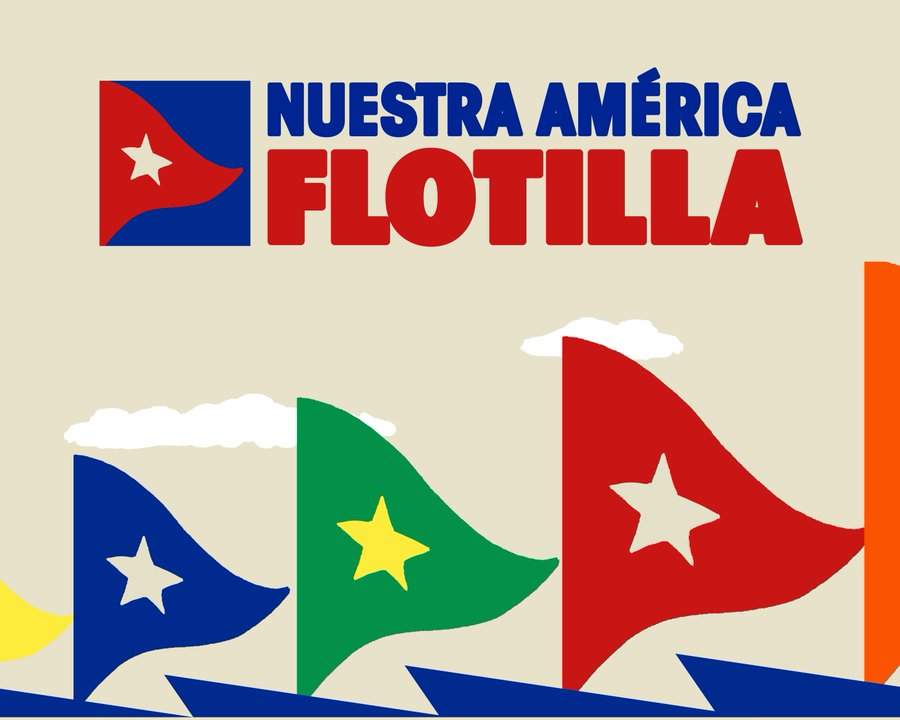
nternational solidarity is organizing to confront the intensifying economic siege against Cuba. A global coalition of unions and social movements confirmed the dispatch of a flotilla carrying essential supplies. This initiative responds to the need to break the energy strangulation policy that Cuba is suffering following recent pressure from the White House.
Under the name “Our America ,” the convoy will sail through the Caribbean in March to deliver essential food and medicine. Organizers explained that the strategy is inspired by the resilience of the Sumud Global Flotilla. The main objective is to break the logistical blockade that currently prevents Cuba from accessing vital products.
Political leaders such as Jeremy Corbyn and Congresswoman Rashida Tlaib have publicly supported this humanitarian mission. They denounce the forced austerity measures in the Caribbean nation as a direct result of a policy of external aggression. These sanctions aim to paralyze several sectors essential to the country and thus affect the daily lives of Cuban families.
ANNOUNCING
The Nuestra América Flotilla. We are sailing to Cuba, bringing critical humanitarian aid for its people. Together, we can break the siege, save lives, and stand up for the cause of Cuban self-determination. Join us: https://nuestraamericaflotilla.org
While civil society mobilizes, some regional governments are already sending direct assistance to alleviate the current crisis. Mexico stands out with the delivery of hundreds of tons of food for the population. However, the complex geopolitical scenario requires keeping certain energy supply agreements confidential.
From the Kremlin, Russia is considering sending crude oil and refined products to alleviate the severe fuel shortage. This aid is critical after months without the arrival of oil tankers, a situation exacerbated by threats against commercial shipping companies. Havana is resisting in a context where international law is ignored by foreign powers.
The US has declared Cuba an “unusual and extraordinary threat”, authorising new sanctions and tightening its illegal blockade. Trump is trying to starve Cuba into submission — and millions of people will suffer. This is economic warfare, plain and simple. Hands off Cuba!
UN experts Despite widespread rejection in the General Assembly, coercive measures have recently intensified. The “Nuestra América” flotilla represents an act of dignity in the face of a siege condemned by the world.
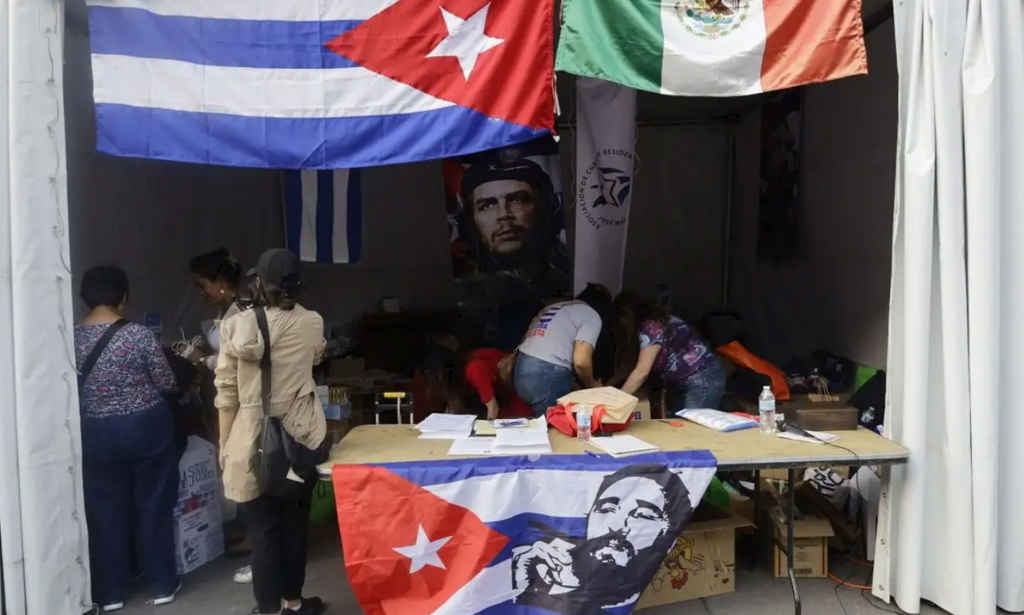
Mexico City, Feb 14 (Prensa Latina) Very close to the tents erected in the emblematic Zócalo of the capital to celebrate the Day of Love and Friendship, the people of Mexico once again demonstrated today how much they carry Cuba in their hearts.
Among flags of both nations and images of the historical leader of the Revolution on the island, Fidel Castro, and the Argentine-Cuban guerrilla Ernesto (Che) Guevara, the space set up to receive supplies destined for the largest of the Antilles experienced a constant hustle and bustle.
The continuous flow of people arriving with large or small packages, containing everything from food to medicine and other supplies, was complemented by the counting and organization of the products into larger boxes for later shipment to the Caribbean nation.
Organized by the Militant Solidarity Collective Va por Cuba and the José Martí Association of Cuban Residents in Mexico, the campaign “From town to town, let’s end the blockade” aims to make it clear that the island, besieged by the United States, is not alone.
“We have seen the massive response from the Mexican people. Long before the tent opened, there were already people lined up with their donations,” Olivia Garza, vice president of the Association, told Prensa Latina, describing the turnout as impressive.
“It’s so full that we’ve had to ask two trucks to take away boxes, because otherwise we wouldn’t fit in the tent, and we still have a lot to collect,” he commented when there were still three hours left before the end of the first day of the initiative.
Regarding the message this reaction from the Mexican people sends to US President Donald Trump, Garza maintained that Washington’s aggressive policy “will not be able to defeat the people of Cuba, nor block international solidarity.”
The campaign comes after Trump signed an executive order in January declaring a purported national emergency and establishing a process for imposing tariffs on goods from countries that supply crude oil to the Caribbean nation.
Organizations have warned that depriving the country of access to oil would paralyze it, as it affects such sensitive areas as electricity generation, the operation of hospitals, food production and distribution, and water pumping.
Amid the tightening of the embargo imposed by Washington on the island for more than six decades, Jocabeth Garay, of the Mexican Movement of Solidarity with Cuba, assured that everything possible is being done “to break this criminal blockade” that “tries to strangle” the population.
“Mexicans have always been supportive, and Cubans are a brother nation that has always been in our hearts,” he said.
Acts like this add to other tangible displays of solidarity emanating from the country, such as the arrival at the port of Havana last Thursday of 814 tons of aid sent by the government and the decision of President Claudia Sheinbaum to make more shipments.
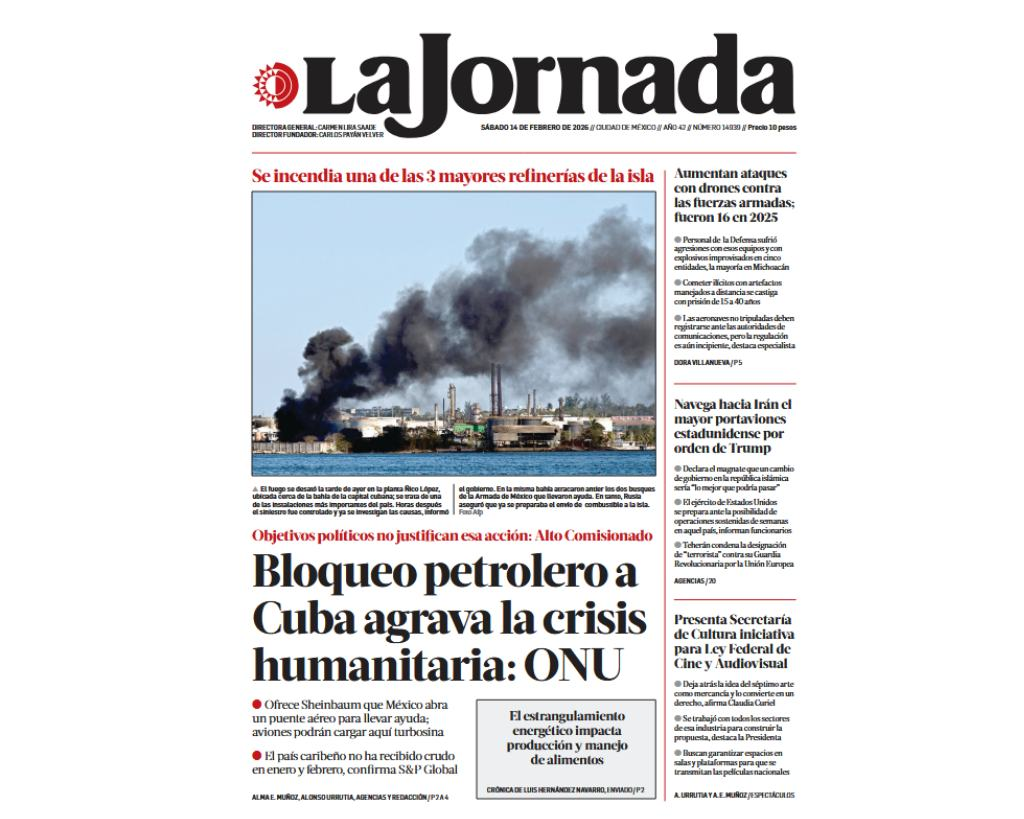
Mexico City, Feb 14 (Prensa Latina) The renowned Mexican newspaper La Jornada addresses today in its pages the international denunciations against the energy blockade imposed by the United States on Cuba and its impacts on the population of the Caribbean country.
On its front page, the news outlet refers to the warnings from the Office of the United Nations High Commissioner for Human Rights regarding the effects of the oil blockade on access to food, water and health in the Caribbean nation.
The spokesperson for that organization, Marta Hurtado, pointed out that intensive care units and emergency rooms are at risk, as well as the production, supply and storage of vaccines, blood products and other temperature-sensitive medicines.
High Commissioner Volker Türk reiterates his call to lift all unilateral measures due to their broad and indiscriminate impact on the population, the statement notes, stressing that such actions constitute a violation of human rights.
This statement comes after US President Donald Trump signed an executive order in January declaring a supposed national emergency and establishing a process to apply tariffs to goods from countries that supply crude oil to Cuba.
The Republican’s decree, another turn of the screw in the economic siege imposed for more than 60 years, is part of Washington’s current maximum pressure policy against that country, and attempts to justify it with the interest of national security and the foreign policy of the United States.
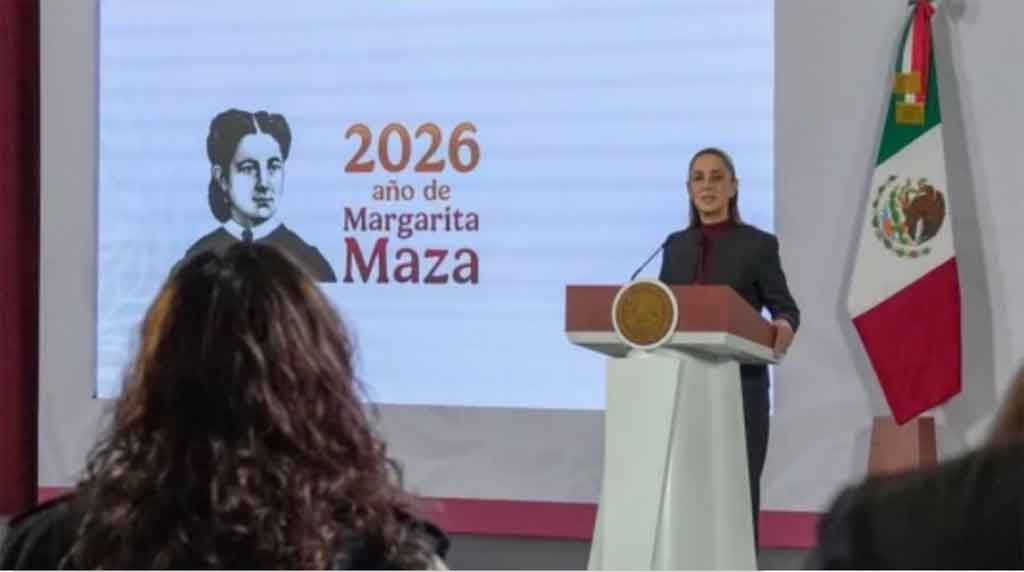
La Jornada also refers to the impact of the controversial measure on food production and management in Cuba, and the possibility mentioned yesterday by President Claudia Sheinbaum of opening an air bridge to deliver aid, if Havana requests it.
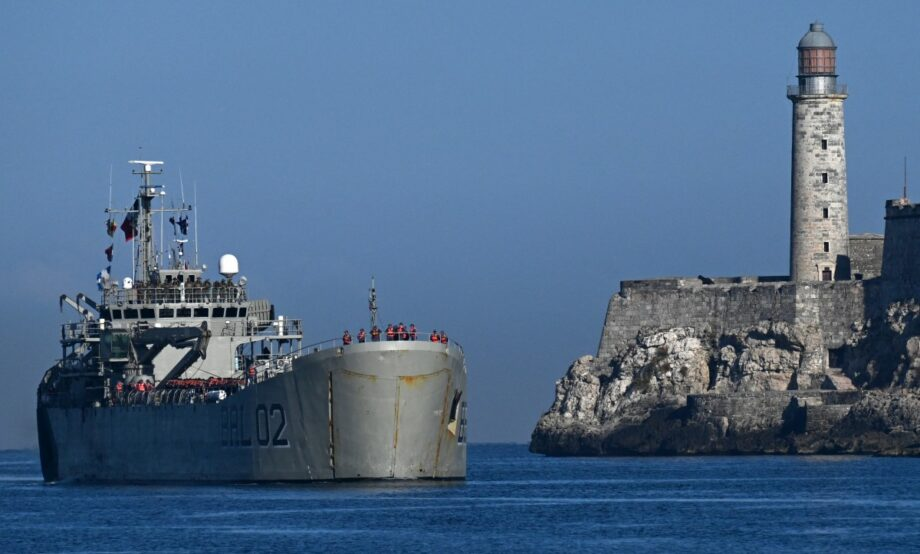
On Thursday, the ships Papaloapan and Isla Holbox, of the Mexican Navy, arrived in Havana with some 814 tons of basic food and hygiene items, after departing on Sunday bound for the Caribbean nation.
“As soon as the ships return, we will send more support of different kinds,” the head of the Executive stated that day.
Solidarity was also evident from the ruling National Regeneration Movement (Morena), and groups such as the Militant Solidarity Collective Goes for Cuba and the Association of Cubans Residing in Mexico, which called on the population to support the island with food supplies.
In what it described as an act of consistency and Latin American brotherhood, the Morena parliamentary group in the Congress of this capital, together with the State Executive Committee of the political formation, also announced the start of a solidarity campaign.
In addition, at the National Autonomous University of Mexico, the Assembly of Postgraduate Students in Latin American Studies invited people to join in the collection of food supplies in another initiative from the 17th to the 20th of this month.
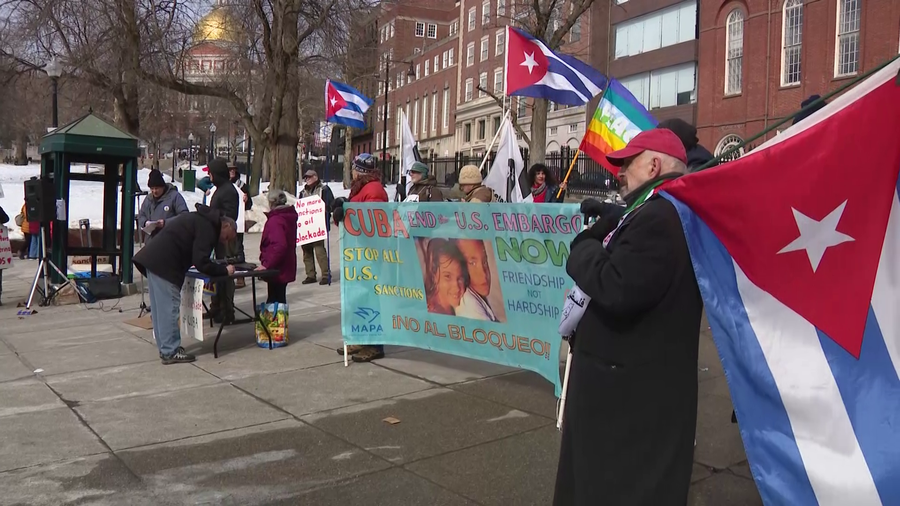
President Donald Trump’s oil blockade on Cuba caused concern among demonstrators who took to the streets of Boston, Massachusetts, to support the island nation.
Demonstrators said the blockade could cause Cuba to run out of oil by month’s end.
The Trump administration is also imposing tariffs on any country that sells oil to the island nation.
“The emergency declaration is based on the preposterous lie that Cuba poses an imminent threat to the National Security of the United States,” a spokesperson for the Massachusetts Peace Action wrote in a press release.
Several protesters gathered outside the MBTA’s Park Street station, holding signs of support for Cuba.
In an executive order, President Trump said the “policies, practices, and actions of the Government of Cuba constitute an unusual and extraordinary threat.”
He told reporters on Friday the order is not meant to choke off Cuba’s economy, but added he doesn’t think the island nation can withstand the blockade.
Mexico City, Feb 13 (Prensa Latina) President Claudia Sheinbaum stated today that Mexico could open an air bridge, if Cuba requested it, through which other countries could send support to the Caribbean nation.
“If Cuba requests it, those conditions would be met, of course,” the president asserted in response to a question about that possibility during her usual press conference, in a context marked by the tightening of the United States blockade against the island.
The head of the Executive Branch also stated that flights are not closed.
Aircraft “can come to Mexico (to refuel). In fact, Mexican airline flights to Cuba are not closed, because there is jet fuel here and it is very close,” he pointed out.
Yesterday, the ships Papaloapan and Isla Holbox, of the Mexican Navy, arrived in the largest of the Antilles with some 814 tons of basic food and hygiene items, after departing on Sunday from the port of Veracruz bound for the Caribbean country.
“As soon as the ships return, we will send more support of different kinds,” Sheinbaum said yesterday, who has described the energy blockade imposed by Washington as unfair.
US President Donald Trump signed the executive order on January 29 declaring a supposed national emergency and establishing a process to apply tariffs to goods from countries that supply crude oil to Cuba.
On the other hand, the ruling party National Regeneration Movement, as well as groups such as the Militant Solidarity Collective Goes for Cuba and the Association of Cubans Residing in Mexico, called on the population to support the largest of the Antilles with food supplies.
Organizations have warned that depriving Cuba of access to oil would paralyze the country and constitute collective punishment considered by international law as genocide and the greatest violation of human rights.
Diverse voices in Mexico and the rest of the world, from parliamentarians to political movements and formations, have spoken out in support of the Caribbean nation in the face of the United States’ energy blockade, described as cruel and anachronistic.
The Cuban ambassador to Mexico, Eugenio Martínez Enríquez , confirmed that the Havana coastline received the two vessels sent by the Secretariat of the Navy (Semar) with humanitarian aid sent by Mexico .
“The Havana coastline welcomes the two ships of the Mexican Navy carrying the material aid donated by #Mexico to #Cuba . Thank you, Mexico! The Cuban people will be in port very soon,” commented Eugenio Martínez Enríquez , Cuban ambassador to Mexico.
The Papaloapan River , which transported 536 tons of essential food supplies.
The Isla Holbox , which brought 277 tons of powdered milk to the island.
PHOTO: Ministry of Foreign Affairs
Mexico reaffirms its international commitment
Among the essential items that Mexico sent to Cuba were: liquid milk, meat products, cookies, beans, rice, tuna, sardines, vegetable oil, and personal hygiene items.