

Like any profession, art takes training. The island nation puts ours to shame
Written by Drew Hayden Taylor – TVO Today
Dec 18, 2024
Ah, Cuba. Land of cigars, rum, and sunburned Canadians.
While those habits define the country for many, it should also be known for its emphasis on training doctors and nurses — they are plentiful, practicing their craft on nearly every street corner and in every small town. Several years back a First Nation community in northern Manitoba petitioned Canada’s federal government to allow Cuban doctors to fill vacancies in its health-care system. The government felt such a proposition was not worthy of consideration. What do Cubans know about serving a marginalized people? I digress.
But I wrote about this last year, after joining the Calixto Garcia Solidarity Brigade. This year I want to focus on something new from my just-completed 12-day trip touring southeastern Cuba: the abundance (and popularity of) schools for the performing arts. Cubans love their arts. This year’s trip focused on seeing the country beyond the resorts. This meant days on a bus touring the countryside and the towns, chatting with real Cubans who do more than bring you a mojito or talk about the exploits of Blue Jays pitcher Yariel Rodriguez.
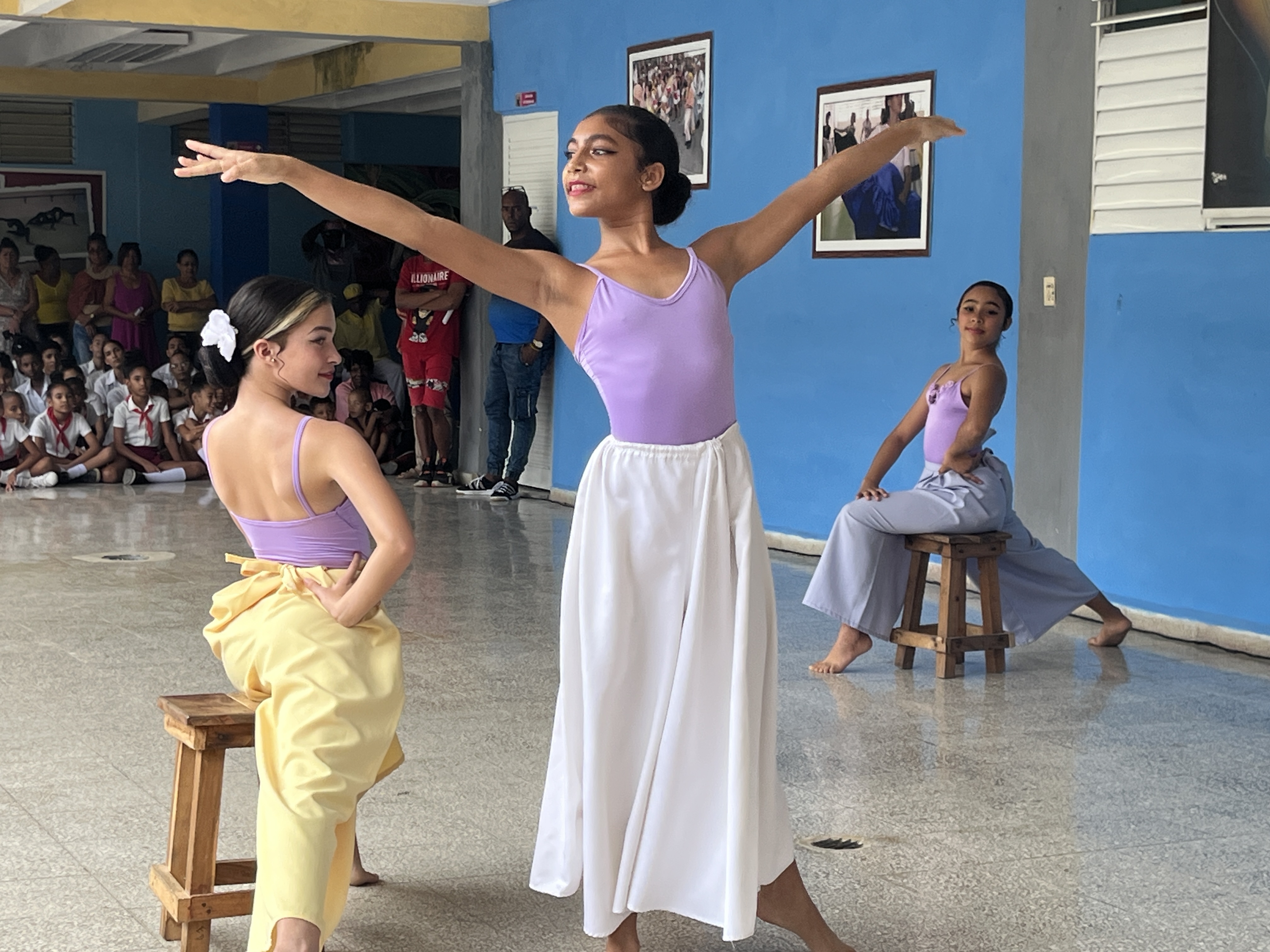
There is a saying there, “Cuba is culture.” One of the more prominent manifestations of any culture is the arts. And in Cuba, they take their art seriously. Art, like any profession, takes training. And so in Cuba they take their training seriously, too. As somebody who has spent almost 40 years in the arts, I was humbled and impressed.
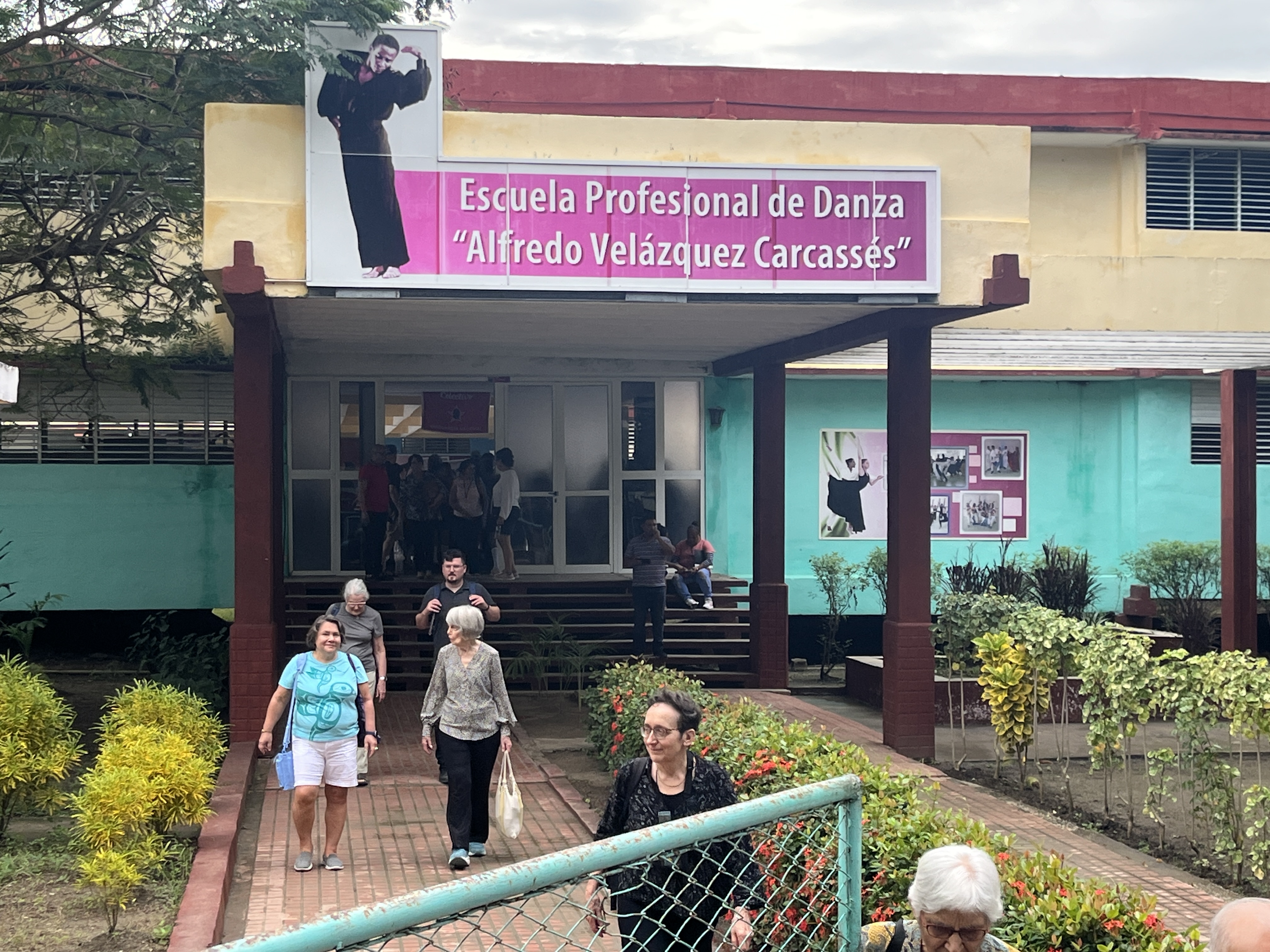
The troupe I was a part of had the opportunity to visit several educational art institutions in four of the country’s southeastern provinces: Holguin, Guantanamo, Santiago De Cuba, and Las Tunas.
There are 37 schools for the performing arts throughout Cuba, a country of 11 million people. These are public schools, meaning there are no extra fees or tuition. How many such public schools exist in Ontario?
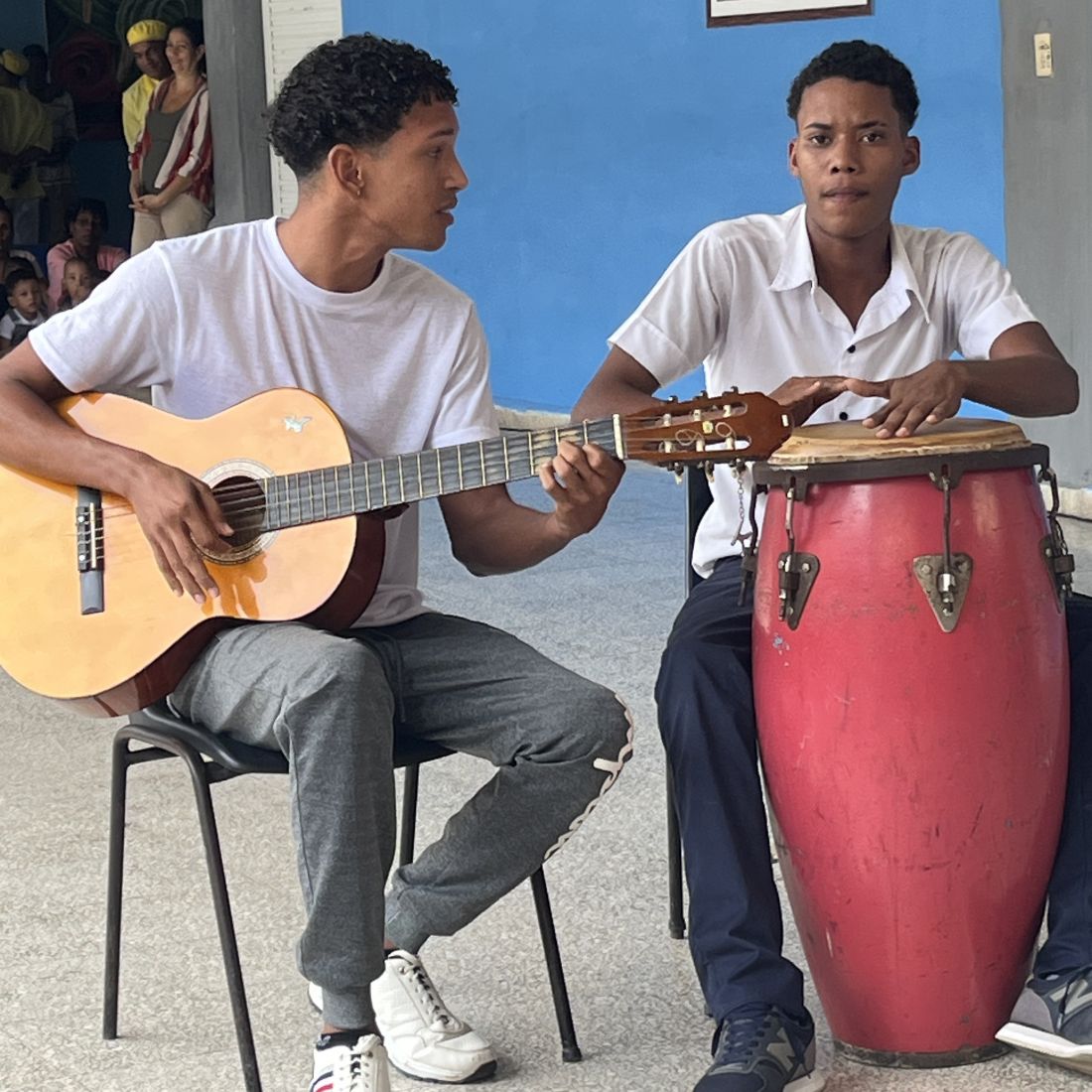
In Ontario, students who want to attend a performing arts school often have to audition, or sometimes are chosen by a lottery system. They also frequently have to pay. In Cuba, these schools are viewed no differently than what could be called academic schools — and there is no shame in pursuing the arts. One woman told me that if their child wants to be a doctor, many parents roll their eyes. There are so many doctors in Cuba; what are their children going to do? Where are they going to work? Is there an unemployment office for surplus doctors? They’ve heard rumours of potential work in northern Manitoba.
Instead, children want to be performers. In one Holguin arts school alone there were 369 students. They had a teacher for every 20 students. I watched a morning of performances from students, including practitioners of dance, singing, and acting. It was amazing. The school also taught classical ballet, music, and visual art. I visited at least three other similar intuitions with equally fascinating programs.
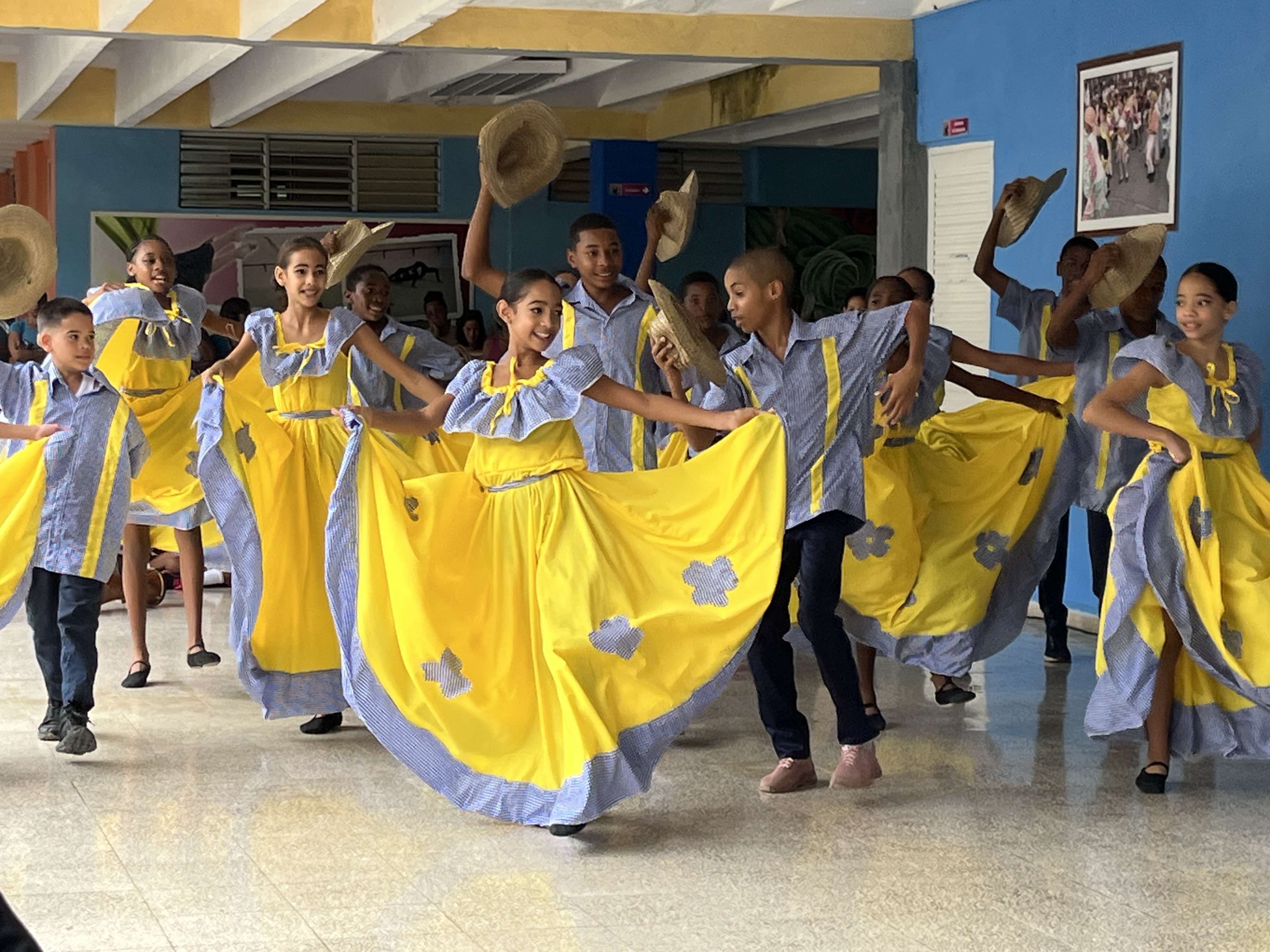
There are also 115 cultural centres spread across the country — places where these unique gifts can be exercised and developed outside the schools.
At one school we witnessed a teenage girl standing before us, beginning to sing. It took a few seconds before we recognized the song. We watched this little girl from an impoverished Caribbean island, belt out a kick-ass, seriously affecting version of “Hallelujah” by Leonard Cohen. In Spanish. The funny thing was her teachers didn’t know it was written by a Canadian.
Cuba is also politics — and the arts frequently reflect this. In a country dealing with the crippling effects of the U.S. embargo, much of the work explored by the schools deals with extolling the virtues of the Cuban Revolution. Other prior conflicts that help define the people and the culture are frequently highlighted. On two separate visits I saw young students reenacting the infamous execution of eight medical students during a Cuban revolutionary conflict in 1871. It was kind of weird watching 10- and 12-year-olds stand proudly to be “shot.”
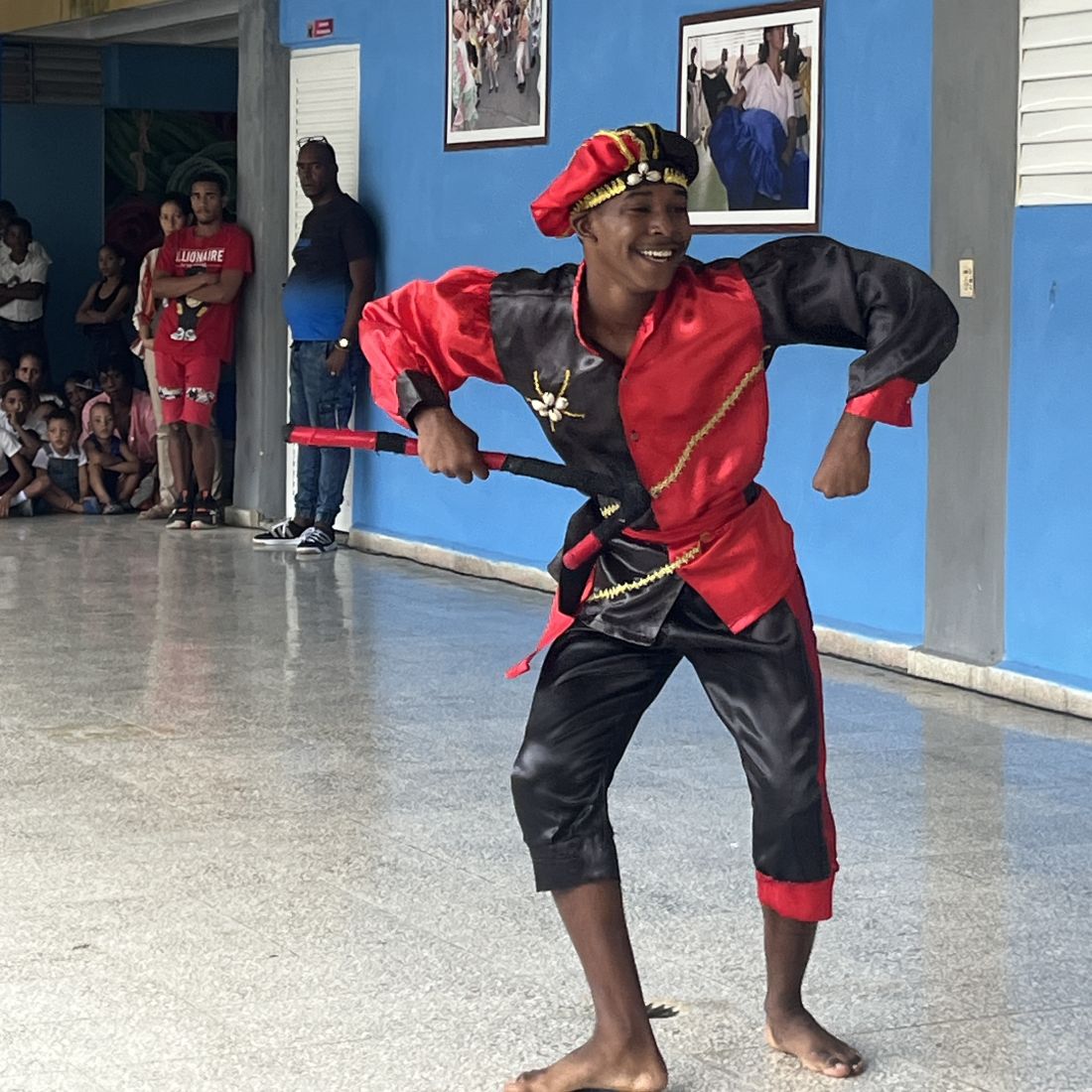
I’ve always believed the arts can change the world, or at the very least, influence it. Cuba has many faults, many not its fault. But how the Cubans have embraced the arts and woven it into their culture makes you want to sing. Ontario could learn a lesson.
Drew Hayden Taylor is an award-winning playwright, novelist, journalist, and filmmaker from Curve Lake First Nation. His most recent book, “Me Tomorrow,” was released in October.

