

Havana, Aug 7 (Prensa Latina) The International Solar Alliance (ISA) today granted the University of Havana’s Photovoltaic Laboratory the status of Resource Center for Solar Technology Applications in Cuba (STAR Center), the first in Latin America.
During the award ceremony and inauguration of the STAR Center at the University of Havana, ISA’s general director, Ashish Khanna, emphasized that this status will open more doors to research and development, training, and the search for proprietary solutions, whether for public heating, solar fuel, solar pumps, or solar storage.
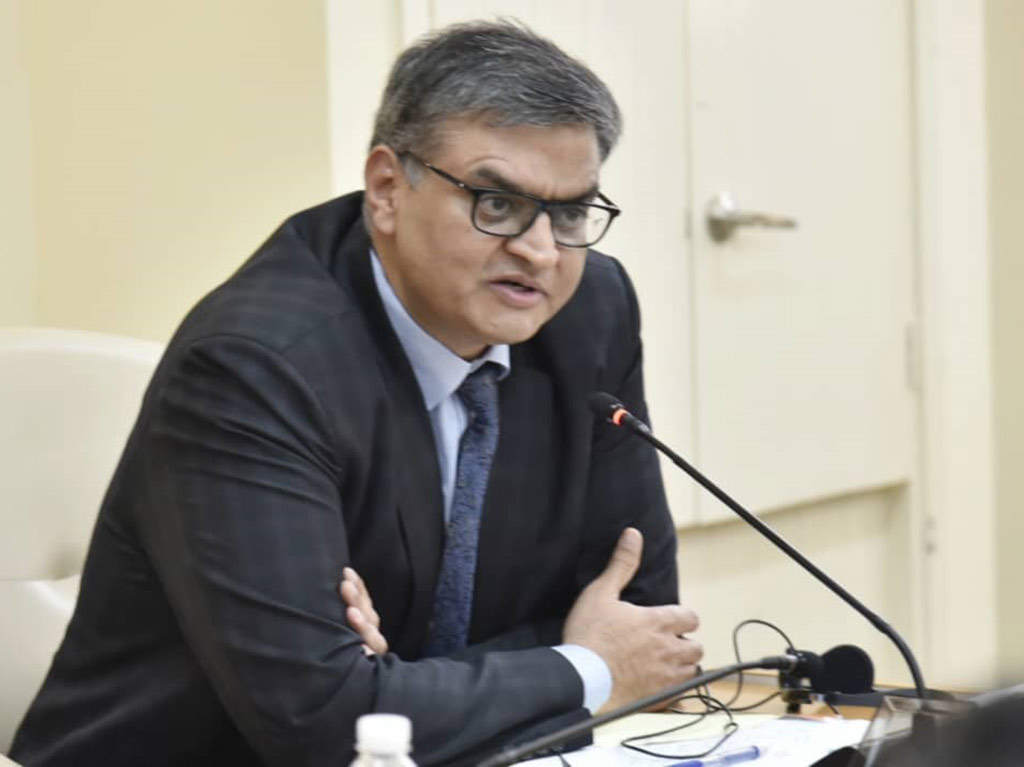
Khanna emphasized that the needs are quite unique for each country, although some problems may be similar, and added that he is excited to see what the future society will be able to achieve.
Speaking at the event, the Minister of Higher Education, Walter Baluja, thanked the Ministry of Energy and Mines (Minem) for trusting the University of Havana’s significant historical foundation to develop the STAR Center, reflecting its prestige, tradition, and results, both at the laboratory and the professionals involved in this service.
For his part, First Deputy Minister of the Ministry of Energy and Mines, Argelio Abad, highlighted ISA’s initiative to promote research and the implementation of technology related to renewable energy, especially solar energy.
According to Abad, the STAR Center came to Cuba to strengthen the existing alliance between the academic and productive sectors in a context where the island is committed to rapidly advancing the energy transition, including the use of photovoltaic energy.
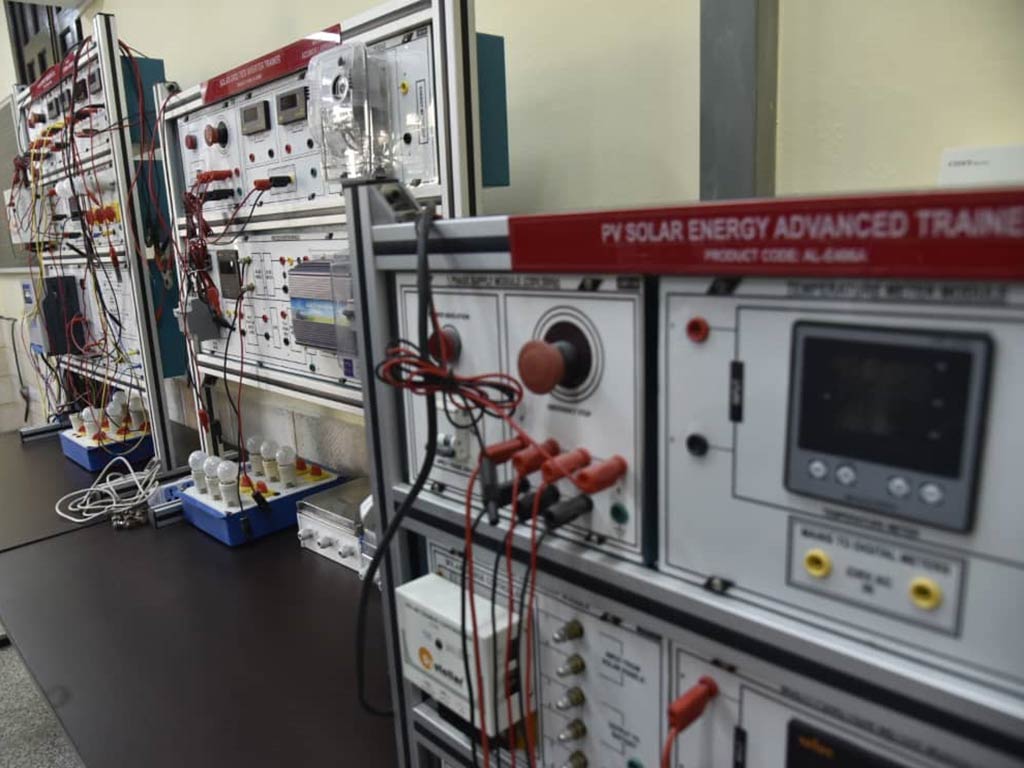
Facilities like the laboratory, he continued, are a true strength for the country in ensuring the massive deployment of solar technology in compliance with international standards, and in creating a quality infrastructure around it that allows for its efficient and safe exploitation.
He also thanked ISA for its support and continued willingness to work with Cuba, as well as for its commitment to regional integration and strategic development.
He also recognized the University of Havana for all its knowledge in the service of the country’s energy development.
Immediately afterward, the Rector of the University of Havana, Miriam Nicado, highlighted the leadership and scientific commitment of the Photovoltaic Laboratory, which had been awarded the STAR Center status, and described it as a school of knowledge and a space for research, innovation, and capacity building.
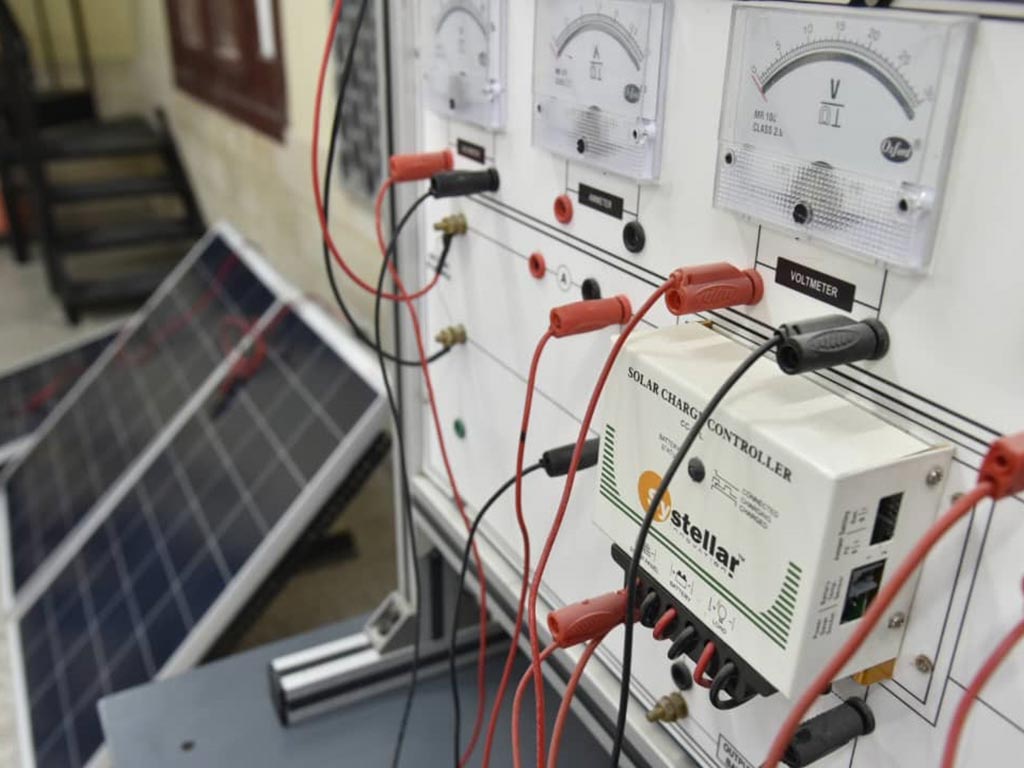
Nicado stated that the Laboratory will consciously assume its mission as a knowledge-building and reference center to raise professional standards in the field of solar energy, with the goal of improving capacities, access to knowledge, technologies, and process management for better implementation of solar energy in Cuba and the Caribbean.
The university we have today is more internationally integrated, rural, multidisciplinary, committed to sustainable development, and always willing to contribute to a better future for our people, the Rector emphasized.
Meanwhile, the head of the Photovoltaic Laboratory and STAR Center at the University of Havana, Lídice Vaillant, addressed the importance of the meeting, which also brought together the Latin American Energy Organization (LAE) in the workshop on Energy Transitions in Central America and the Caribbean, which concluded today.
It’s a momentous event, he said, because the energy transition has many facets and requires many alliances, and both organizations work systematically and effectively.
Vaillant reiterated the Center’s commitment to continuing its daily, sustained, and systematic work. This is how excellent science is built, innovation is managed, and social impact is achieved, he emphasized.
He thanked the Ministry of Energy and Mines (MINEM) for its strategic vision of developing tools to enable scientific leaders to transcend university walls. One of the most difficult barriers to overcome is bringing the knowledge generated and condensed in many scientific spaces to the place where it truly has an impact.
jha/tdd

