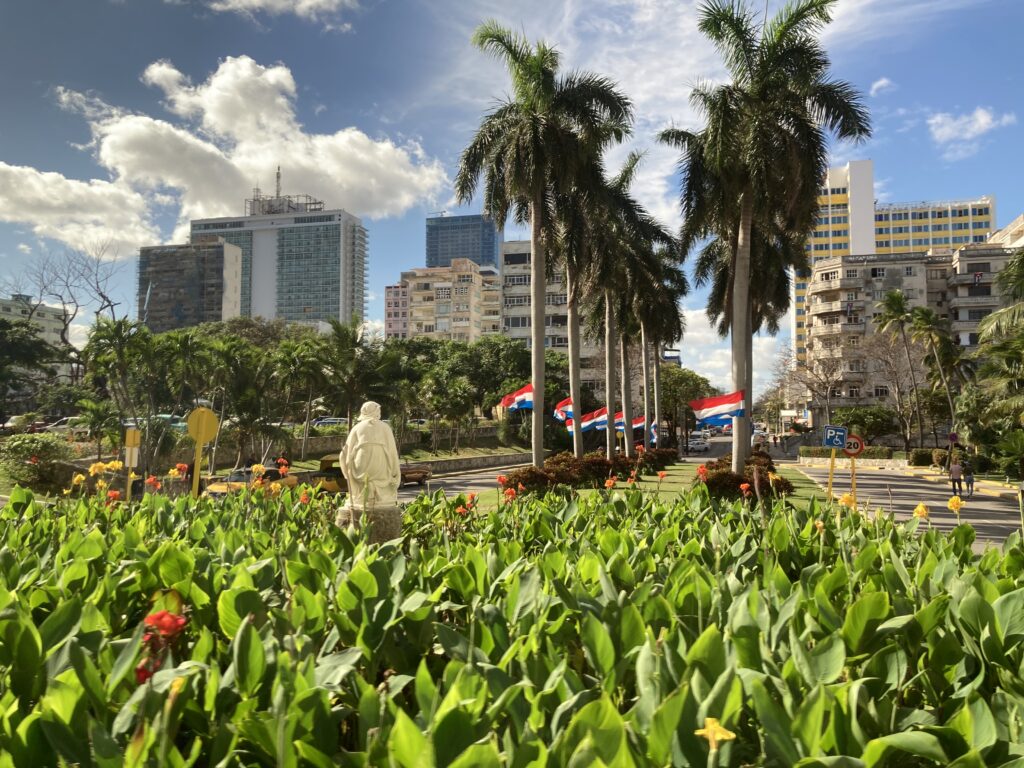
Ever wonder what it’s like to visit a city some say is frozen in time? Ever imagine smelling the rich aroma of Caribbean cuisine, cruising down city streets in a classic car, strolling by turquoise waters, or delving into the vibrant history of a beautiful island? That’s exactly what several Marquette students recently experienced in Cuba.
May 14, 2025 — Marquette University
Since 1963, the United States has imposed on-and-off sanctions that restrict tourism to Cuba, allowing only a small number of Americans to visit. Ryan Bendoff, an undergraduate political science and international affairs student, was one of twelve Marquette students who got to enjoy the sights, culture, and history of Cuba through the course HISTI 4931: Cuba: Historical & Contemporary Developments.
Bendoff, eager to learn more about different global governments and economies, leapt at the chance to visit Cuba. To share his Marquette-sponsored learning and travel story, Bendoff recently helped compile a list of the four most important things to do while in Cuba.
One: Experience the History
slide 1 of 3
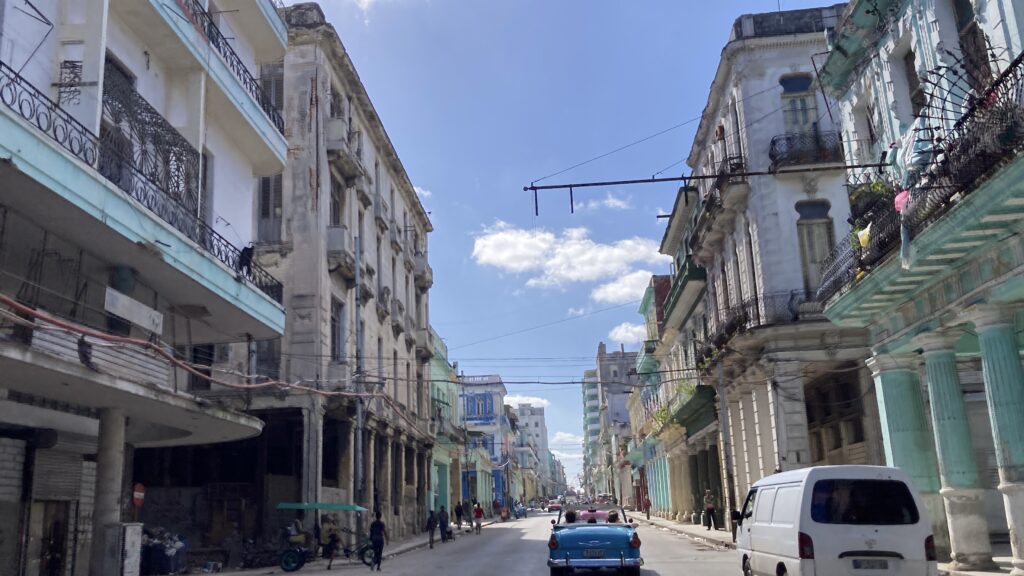
The trip to Cuba was led by Dr. Michael Donoghue, associate professor of history. Guest lecturers such as the tour guide, Luis, gave first-hand accounts on the legacy of Cuba’s history. According to Bendoff, these lectures offered students glimpses into the entire history of Cuba, giving an appreciation for the nuanced position Cuba sits in today. Each lecture was accompanied daily by cultural experiences and landmarks, such as the firing of the 9 o’clock Cannon at the San Carlos de La Cabana Fortress — an event that’s happened every night for the past 350 years.For the 13-day trip, students had plenty of opportunities to explore Cuba’s historical gems. Havana, often described as a city frozen in time, preserves Cuba’s history with buildings dating from the colonial era to the 1920s. Fountains, plazas and the bustling markets of Old Havana serve as reminders of Cuba’s long past. With travel restrictions in place, first-hand experience of Cuba’s history is a once in a lifetime opportunity.Cuba has been a communist country for over 70 years, but Marquette students learned that a growing market is developing in the country. Guest lectures from Cuban business leaders, including Oscar Fernandez Estrada, CEO of Deshidratados Habana, bring new perspective to Cuba’s economic expansion. Bendoff emphasizes that many students were surprised to hear Estrada explain that the ”Cuban economy is limited by supply, not demand,” contrasting their understanding of American economics. All the students in the program were able to witness how business works in a unique emerging Cuban economy.
PreviousNext
Two: See the Sights
slide 1 of 3
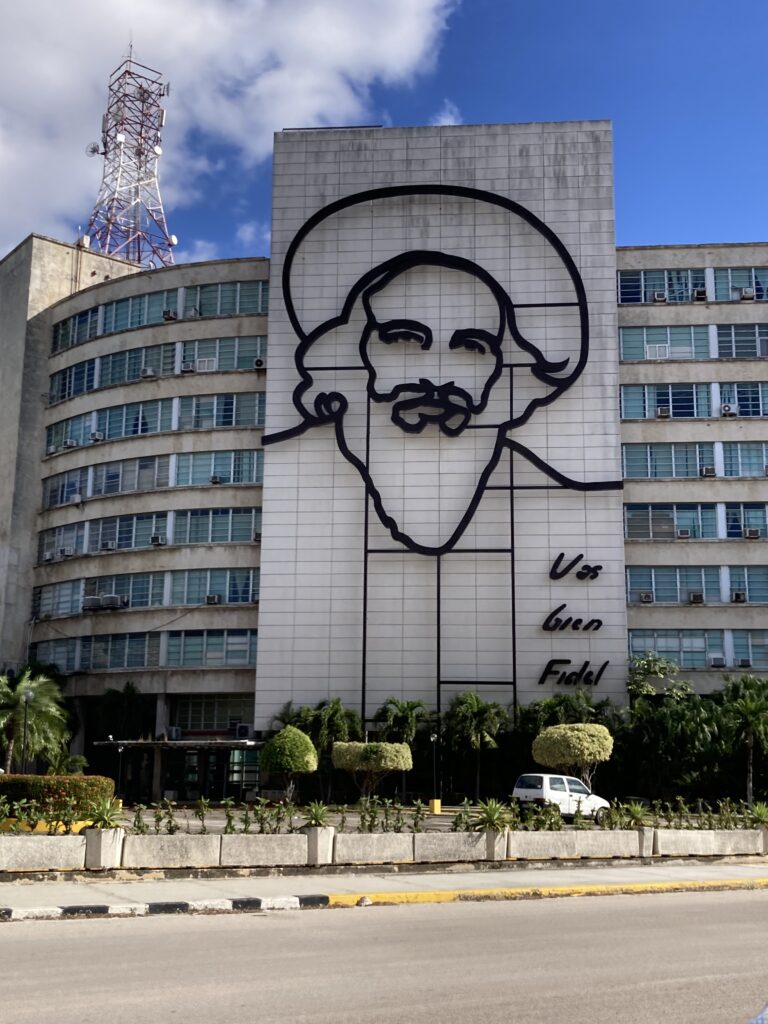
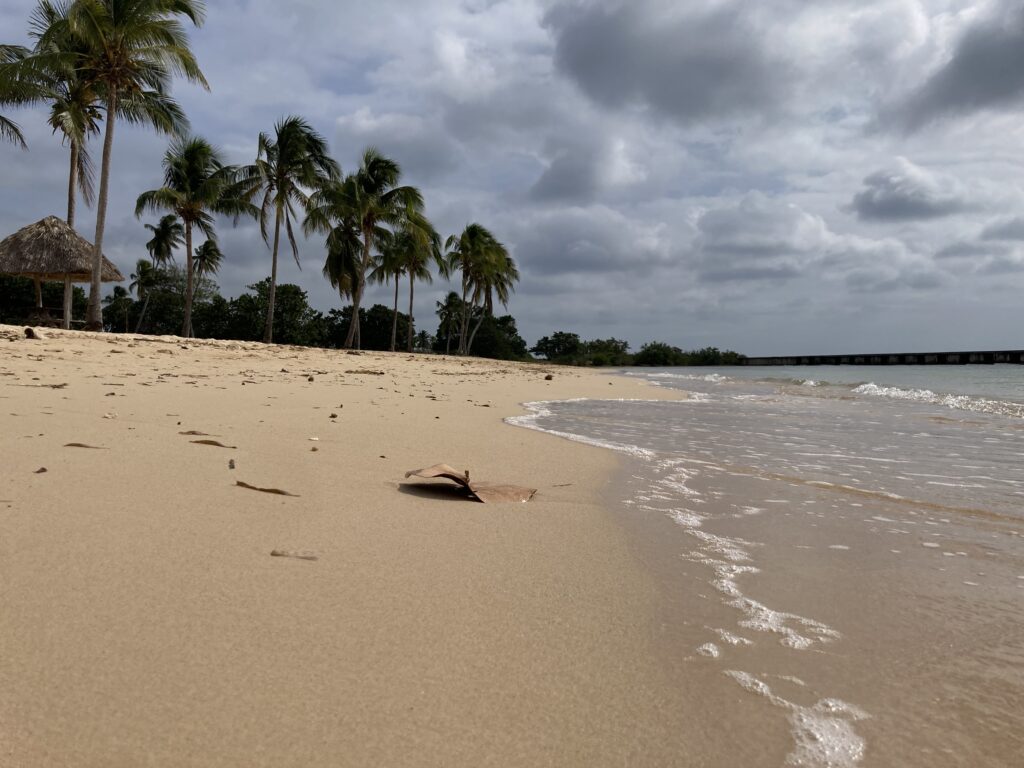
Cuba’s vivid culture has been shaped by its dramatic history — including the communist revolution, led by Fidel Castro. Bendoff and the other students saw firsthand the legacy of communism in the island’s physical and institutional architecture. Pictured here is the Plaza de la Revolución (Revolution Square), a notable site where radicals such as Fidel Castro and Che Guevara held political rallies during the Cuban Revolution. Bendoff comments that walking on the same streets that communist leaders once walked brings a certain reality to the political history of Cuba — one he would have never thought he would experience. Cuba remains a communist state today with most political opposition forbidden.One of Bendoff’s most iconic experiences was riding through the streets of Old Havana in some of Cuba’s classic cars. Bendoff explains that the endurance of such old cars comes from trade restrictions imposed by the U.S. since the early 1960s. In addition to the classic cars, students biked and hiked through Havana and the rolling Cuban hillsides.Beyond the bustling city life, Cuba is famous for its beaches. While Playa Giron may be better known for the Bay of Pigs Invasion, today it is a serene spot for relaxation — although the Bay of Pigs Museum is just a mile away. On top of interacting with the history of these landmarks, students explored beautiful geography, such as the cave structures at the Caleta Buena beach outside of Trinidad.
PreviousNext
Three: Bask in the Culture
slide 1 of 3
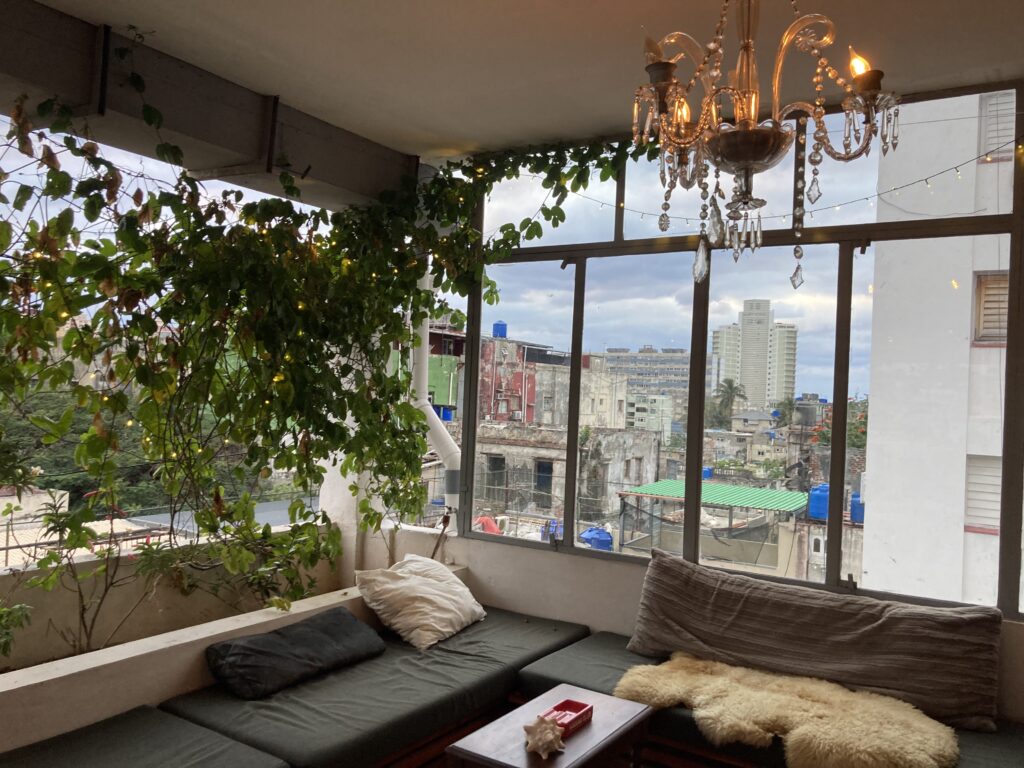
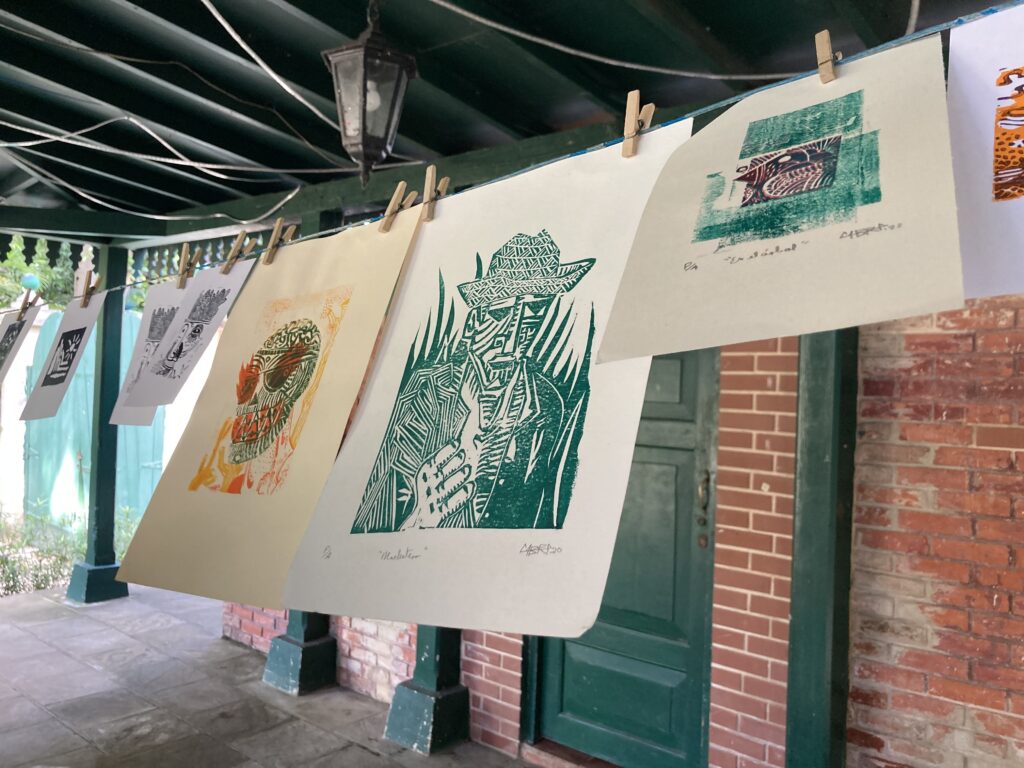
For Bendoff, one of the trip’s highlights was experiencing Cuba’s lively music scene. Primeria Linea, a salsa band, performed at night on the rooftop of a hotel. The energetic band was made up mostly of teenage students. To match the energy of the band, Marquette students showed off their dance moves from salsa lessons they took on the trip. The fun night had everyone dancing, chanting, and singing along!Cuba’s art scene left a lasting impression on Bendoff. Pictured here are some of the local print artworks that Marquette students participated in making. Graffiti and folk art make up a lot of the publicly seen artwork of Cuban cities. In the markets, plenty of decorative jewelry, clothing and carved statues are created by Cuban artisans.While several days of the trip involved staying in hotels in Havana, the students experienced staying in Casa Particulares, a ”Cuban version of an Airbnb.” As host families opened their homes, Marquette students gained firsthand experience of what Cuban culture and homelife is like. Bendoff is grateful for his host family’s generosity and delicious meals.
PreviousNext
Four: Appreciate Day-to-Day Life
slide 1 of 3
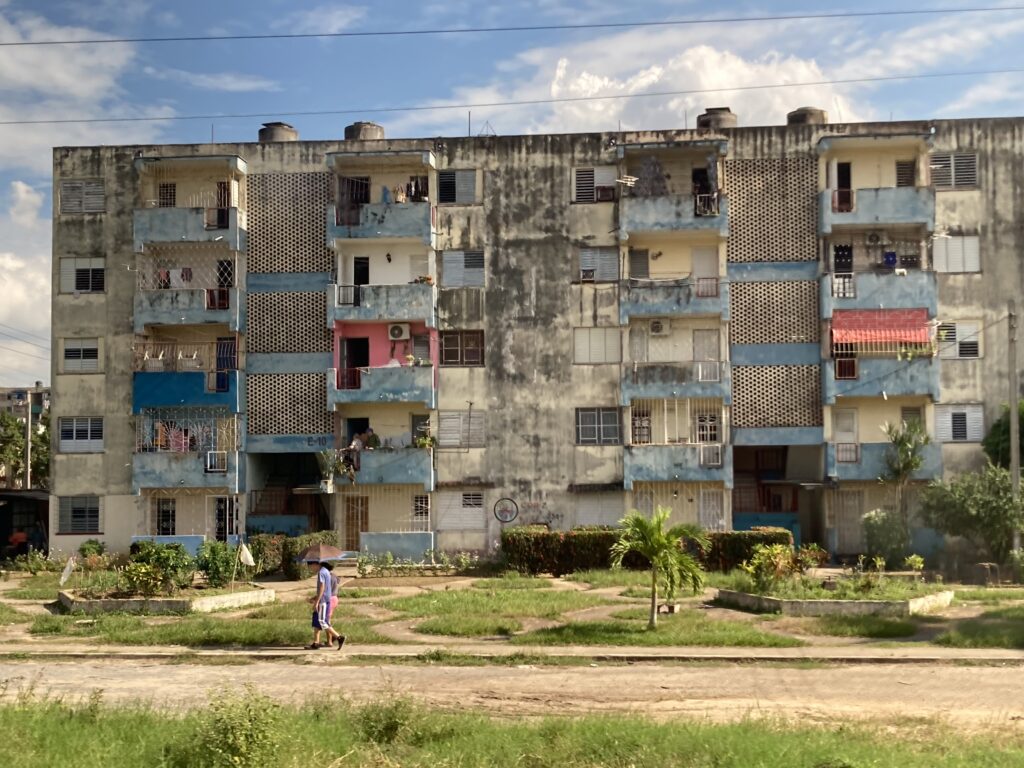
Living conditions in Cuba differ greatly from those on Marquette’s campus. Power outages, food shortages and job scarcities make life hard, and the island has also suffered damage from hurricanes. ”Although life is difficult for most Cubans, everyone was extremely welcoming and friendly,” reflects Bendoff. This one-of-a-kind travel to Cuba offers visitors a chance to learn how Cuban citizens appreciate life: with food, music, hard work and hospitality.The food in Cuba is like no other, full of fresh fruit and farm grown vegetables. Cuban tobacco, one of the country’s biggest agricultural products, is grown on rich red soil, like this field in Viñales. Bendoff points out that Cuban people are incredibly accommodating to anyone’s dietary practices or restrictions during meals. Both restaurants and the Casa Particulares had amazing meals.One of Bendoff’s favorite foods was guava fruit. Bendoff says that the produce was much fresher and more flavorful than its American counterparts — especially for the tomatoes and guava fruit. Cuban farmers typically use a holistic approach to create as little waste as possible while working with limited resources. One entrepreneur even found ways to make seed oils and dried fruits out of the produce that was not market ready. Seeing Cuba’s flourishing economy and agricultural expertise first-hand changed the perspective of many Marquette students, gaining a more global sense of international industry.
PreviousNext
Through his Cuban experience, Bendoff says that his perspective on the world has expanded. It has left him reflecting on his own values, especially his commitment to justice as an international affairs student. He hopes that sharing his experiences will show others how study abroad trips can help students develop global awareness, something he views as relevant to any job or course of study. He extends his gratitude to Dr. Donoghue, his tour guide Luis, the host families in the Casa Particulares and every person he encountered who helped him gain a deeper understanding of Cuban life and history.
For more information on future study abroad trips, browse Marquette’s offerings here.
Marquette University is a Catholic, Jesuit university located in Milwaukee, Wisconsin, that offers more than 80 majors through its nationally and internationally recognized programs.